The Holy Spirit Is Adequate For Every Assignment web

The Holy Spirit Is Adequate For Every Assignment – Apostle Dr Jimmy Markin

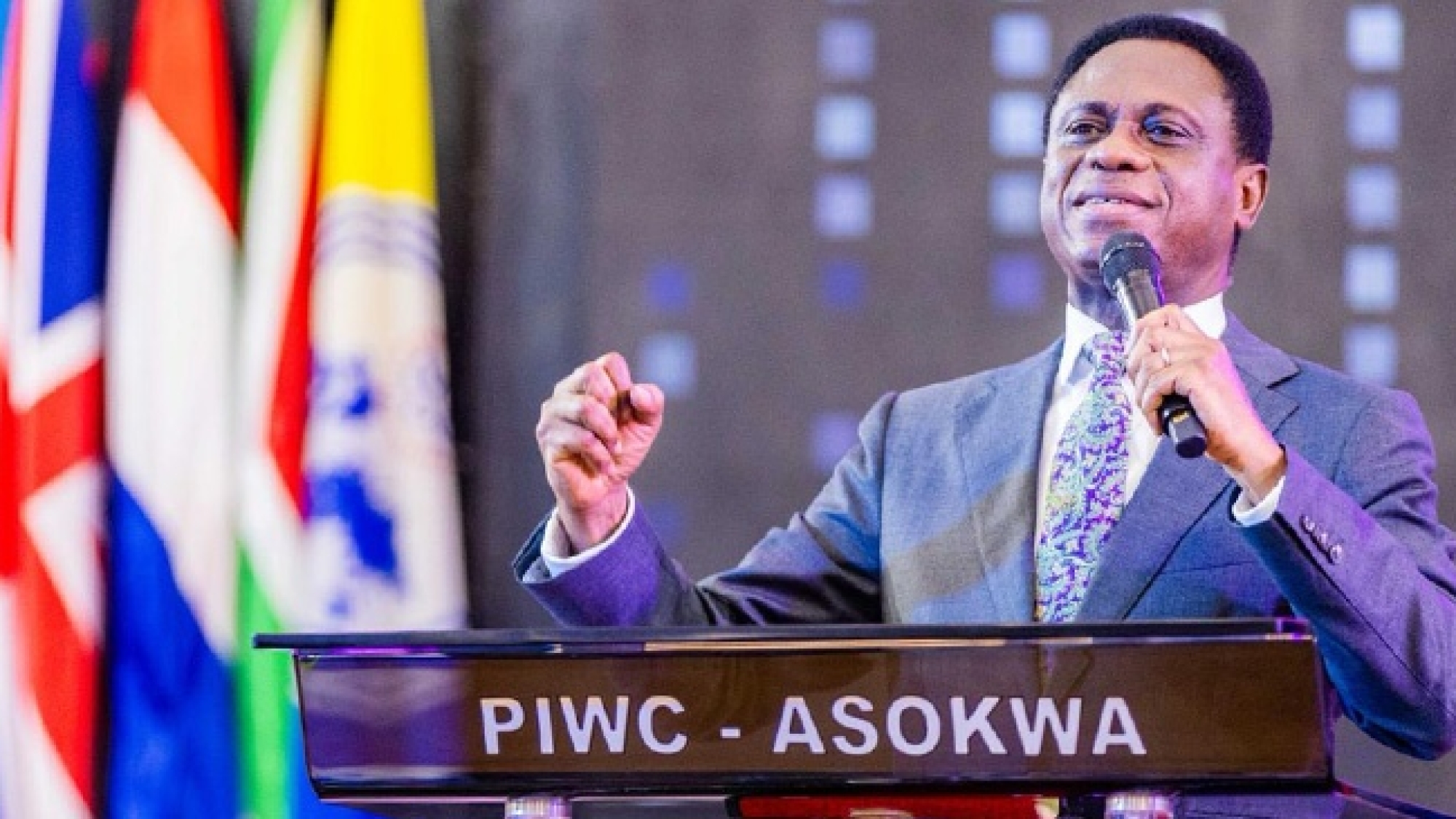
The Cape Coast Area Head of The Church of Pentecost and Regional Coordinating Committee (RCC) Coordinator for the Central Region, Apostle Dr Amos Jimmy Markin, has emphasised the absolute sufficiency of the Holy Spirit for the Church’s mission, describing Him as God’s complete provision for every divine assignment.

Apostle Dr Jimmy Markin made this assertion during the 2025 Heads’ Meeting of the church at the Pentecost Convention Centre (PCC), Gomoa Fetteh, on Friday, November 14, 2025.

Speaking on the topic, “Baptism and Infilling of the Holy Spirit: Divine Sources of Strength and Empowerment for the Unleashing Agenda,” Apostle Dr Markin explained that although several elements—such as prayer, righteous living, and spiritual discipline—contribute to Christian transformation, the most decisive forces are the Word of God and the power of the Holy Spirit. He stressed that the Holy Spirit is the one who transforms individuals, societies, and communities through the true Gospel of Christ lived out in His power.

According to him, Jesus did not leave His Church without help but gave believers the Promise of the Father—the Holy Spirit—who is fully capable of empowering every assignment connected to God’s mission. He stated that if humanity needed anything beyond the Spirit, Jesus would have said so. The Holy Spirit, he said, is therefore sufficient, complete, and fully adequate for the Church’s transformative mandate.

Apostle Dr Markin likened the Holy Spirit to the heart that gives life to the believer and to the engine that sustains the Church’s mission, adding that He is the driving force behind the Unleashing Agenda. He further noted that everything a believer will ever become in Christ is deposited from the day the Holy Spirit enters their life, manifesting progressively as the believer yields more fully to Him.

He highlighted the importance of Holy Spirit baptism as the ignition point of divine empowerment and said continuous infilling is necessary for sustained spiritual strength. Prayer, fasting, devotion, Scripture meditation, holiness, and sensitivity to the Spirit’s promptings, he explained, create the atmosphere for the Spirit’s ongoing work.

Apostle Dr  Amos Jimmy Markin indicated that the ‘Possessing the Nations’ mandate, and the broader ‘Unleashing Agenda,’ can only be fulfilled through the baptism and continuous infilling of the Holy Spirit, who remains God’s complete provision for the Church’s transformational assignment.

PENT NEWS

How You Treat People Reflects Your Character web

How You Treat People Reflects Your Character – Apostle Dr Quampah

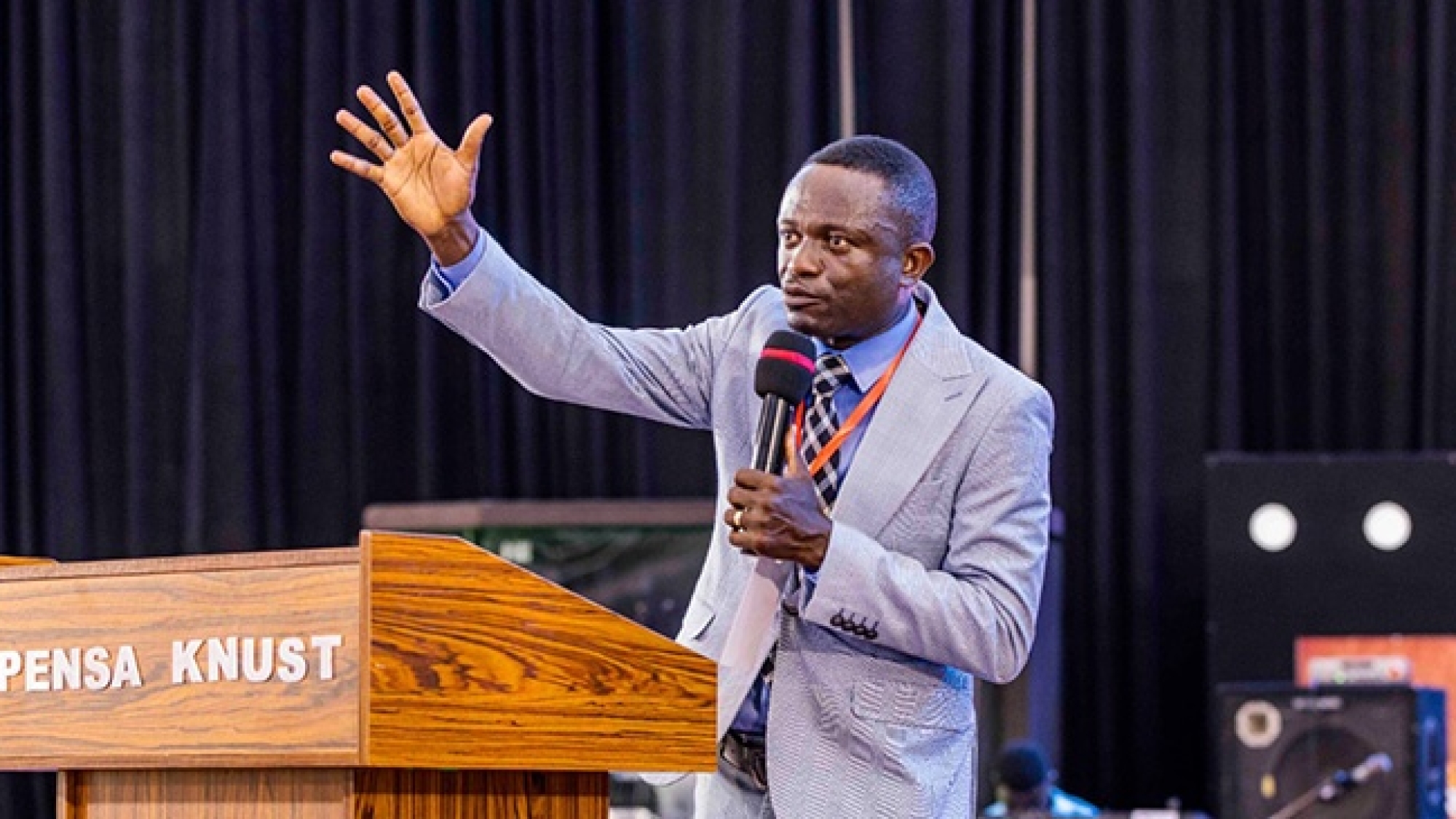
A Former Executive Council member of The Church of Pentecost, Apostle Dr Dela Quampah, has entreated Christians to treat all people with respect, seek the welfare of others and society, and avoid exploiting individuals or systems, as such behaviour reveals true character.

Speaking on the theme: “My Job, My Kingdom Assignment: Authenticating Conversion into Credible Testimony in the Public Sphere” at the 2025 November Heads’ Meeting, he emphasised that every Christian’s work should be viewed as a divine assignment aimed at making a transformative impact.

“Your job is not merely a means of earning a living; it is a mission field. We are called to demonstrate our faith through Kingdom principles and values at the workplace,” he stated.

He stressed that work is stewardship requiring accountability and responsibility, and that traits such as honesty, humility, sacrifice, respect for time, and diligence are marks of genuine Christian conversion.

Apostle Dr Quampah, who is the Teshie-Nungua Area Head of the church, cautioned against laziness and using employers’ time for private business, describing both as sinful. He called on Christians to appreciate work as God’s mandate to humanity and to see the workplace as a social space where tolerance and Christlike behaviour are essential.

He cautioned parents against using work as punishment, noting that such practices wrongly portray work as a curse rather than a divine expression. When work is pursued solely for profit, he said, it breeds greed and destructive tendencies.

Highlighting the dignity of labour, he advised: “Do not look down on anyone’s work. Collective effort creates wealth and development.”

He urged Christians to exhibit responsibility at work through punctuality, meeting deadlines, fairness, and integrity, lamenting Ghana’s poor attitude towards time, stressing that “punctuality is the soul of business. Wasting someone’s time is wasting their life,” he remarked.

Concluding, Apostle Dr Dela Quampah affirmed that faithfulness underpins stewardship and that every job is a call to ministry.

“Our work should not only transform others but also transform us. Be a better minister today than you were five years ago—and even better in the next five,” he said.

PENT NEWS

Hold Authority With Humility web

Hold Authority With Humility – Apostle Dr Nyamekye To Heads

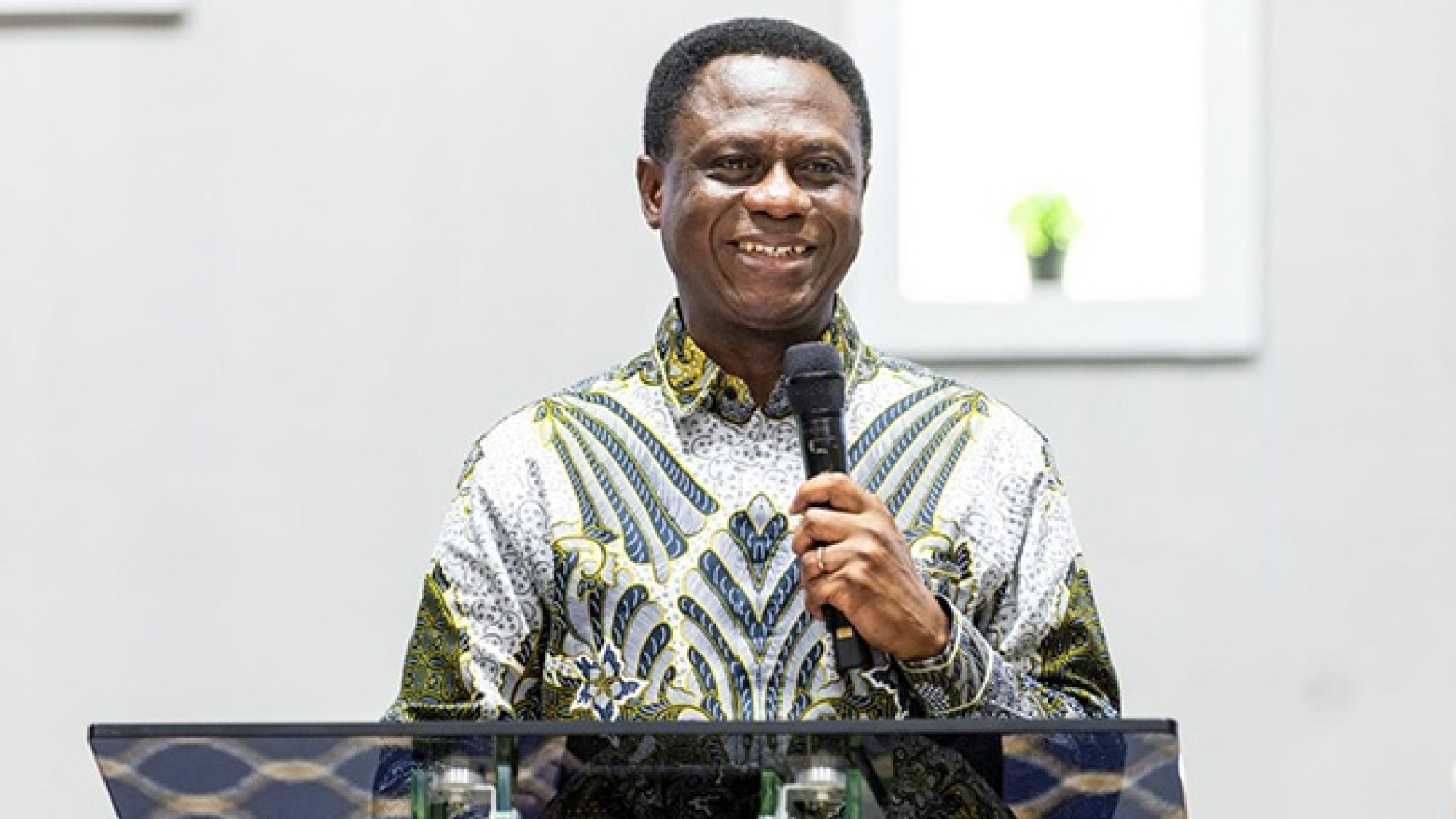
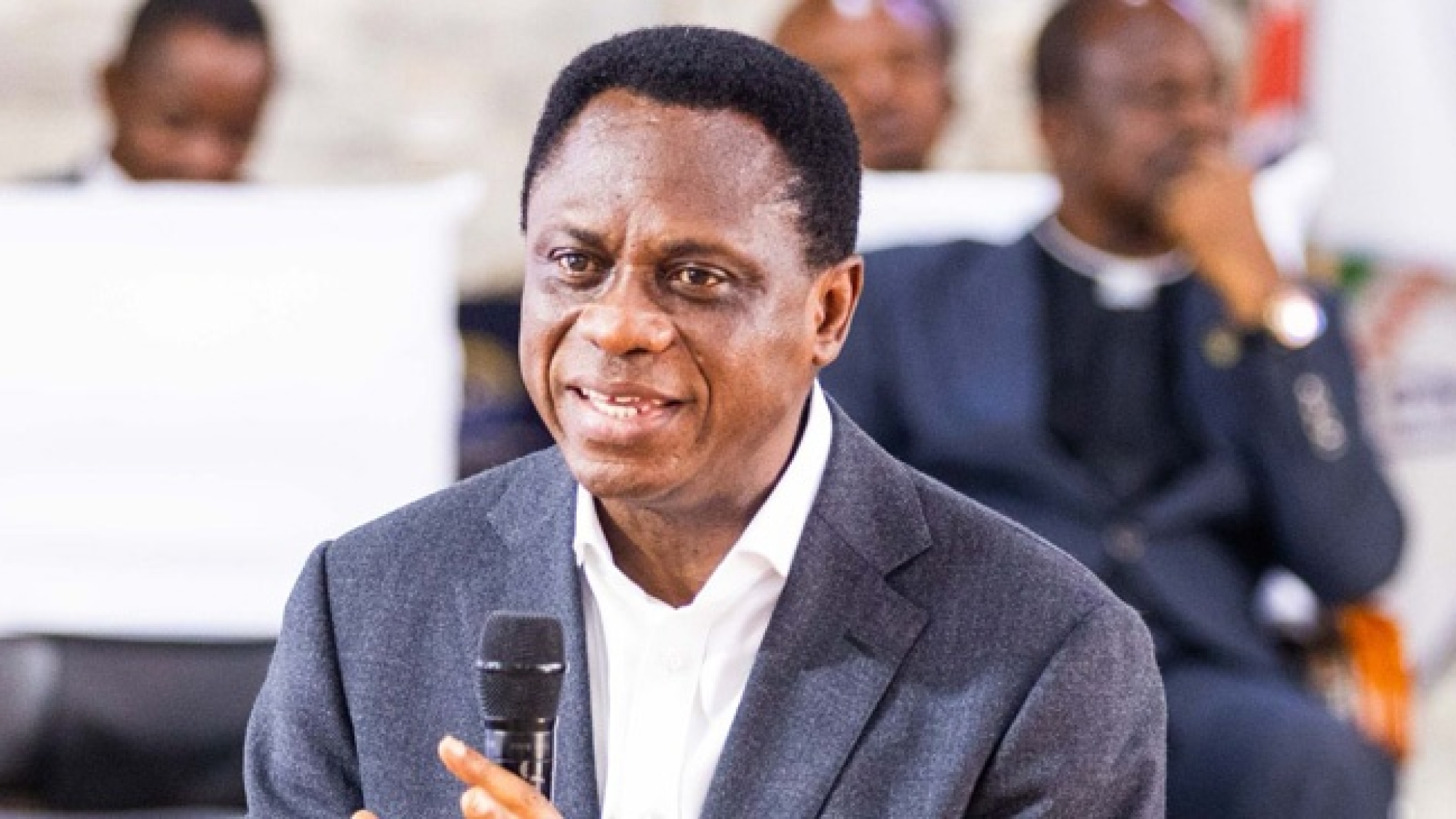
The Chairman of The Church of Pentecost, Apostle Dr Eric Nyamekye, has admonished ministers and leaders of the Church to uphold the divine authority entrusted to them with humility, whilst actively generating the spiritual power needed to execute their mandate effectively.

Delivering the opening sermon at the November 2025 Heads’ Meeting at the Pentecost Convention Centre (PCC) on the theme, “Authority and Power,” Apostle Dr Nyamekye explained that although all heads within the Church have been conferred with some level of authority, that authority alone without spiritual power is inadequate for impactful ministry.

Drawing from John 1:12 and Acts 1:8, the Chairman established the synonymy yet distinction between the two concepts. Authority, he noted, is delegated; the right to determine, adjudicate or settle issues, whilst power is the ability and enablement to act and produce results.

“Authority without power is embarrassing,” he stressed. “If leaders go days without fasting, without prayer, without spending time with God, they may still carry the authority, but they will lack the power to deliver. Your power enhances your authority; the reverse is not true.”

Apostle Dr Nyamekye reminded heads of the church that authority is always questioned, and its source examined just as demons questioned the sons of Sceva in Acts 19:13–16, saying they knew Jesus and Paul, but not the others. Because authority is conferred, the Chairman indicated that it is not absolute and, therefore, has limits.

He advised leaders to walk within the boundaries of their jurisdictions and to respect internal systems, including financial limits, established procedures, and reporting structures within the Church. Consultation, he said, must be prioritised when ministers are uncertain — rather than relying solely on personal discretion.

According to him, authority is meant to build, solve problems, answer questions, and meet needs, but when it fails in doing so, chaos, disorder, and ministry frustration can follow. He warned that God does not countenance those who disrespect or abuse authority, and stated that authority can also be revoked.

Apostle Nyamekye emphasised that power must be intentionally generated and sustained through spiritual discipline, godly character formation, growth in grace, and a deepened knowledge of God.

“More of God means more holiness, and more holiness means more power,” he declared, adding, “Knowing the God of the Bible is an expedition.”

He further noted that spiritual power, once generated, must be jealously guarded because yesterday’s anointing is not sufficient for today’s challenges. Ministry, he said, demands continuous renewal.

Concluding, the Chairman reminded ministers that they are stewards, not owners of the authority entrusted to them. He charged them to exercise their roles with reverence, sobriety, accountability, and humility, always staying within the confines of the authority granted by God and by the Church.

PENT NEWS

THE HOME CHURCH CONCEPT - A BIBLICALLY PROVEN STRATEGY TO MULTIPLY YOUR CHURCH web

The Home Church Concept – A Biblically Proven Strategy To Multiply Your Church

INTRODUCTION

In today’s fast-paced world, many churches struggle with evangelism, discipleship, and sustainable growth. Traditional models often require significant financial investments in buildings and programs, yet many still face challenges in retaining new believers and expanding their reach. 

But what if there was a proven, biblical strategy that could overcome these obstacles—one that fosters deep discipleship, ensures high retention rates, and multiplies churches without the burden of massive costs? 

The answer lies in the ‘Home Church Concept, ‘ a return to the early church’s organic, relational, and highly effective model. 

THE BIBLICAL FOUNDATION OF HOME CHURCHES

The home church concept is not a modern innovation but a revival of the New Testament approach to worship and discipleship. Scripture provides a clear blueprint: 

The Early Church Met in Homes– The first Christians gathered in houses (Acts 2:46, Romans 16:5, 1 Corinthians 16:19, Colossians 4:15). These intimate settings fostered deep fellowship, accountability, and rapid multiplication. 

Relational Discipleship – Jesus invested deeply in a small group (the Twelve) before expanding His ministry. Home churches replicate this model, ensuring new believers are nurtured, not just numbered. 

Cost-Effective Expansion – Without the need for expensive buildings, early Christianity spread rapidly across regions (Acts 8:4, 13:1-3). 

WHY MODERN CHURCHES NEED THE HOME CHURCH MODEL

1. Effective Soul Winning & Discipleship

Many churches struggle to move beyond occasional evangelism to consistent discipleship. Home churches create an environment where new believers are immediately integrated into a spiritual family, reducing dropout rates. 

2. Near 100% Retention of New Converts

Traditional churches often lose members shortly after baptism due to a lack of follow-up. Home churches provide ongoing mentorship, ensuring converts grow in faith and remain active. 

3. Rapid Multiplication Without Financial Strain

Planting churches in homes eliminates the need for costly land and buildings. This allows for exponential growth, even in unreached or under-resourced areas. 

4. Empowering Lay Leaders

Home churches naturally raise leaders within the community, as members take ownership of the ministry rather than relying solely on a central pastor. 

5. Cultural Adaptability

Whether in urban apartments, rural villages, or persecuted regions, home churches thrive where traditional structures cannot. 

PROVEN RESULTS: THE HOME CHURCH IN ACTION

The effectiveness of this model is not just theoretical—it’s producing remarkable results worldwide. For example:  Berekum Area Church of Pentecost (Ghana):2021, won 11,571 souls, baptized 8,350 in water, planted 82 local Assemblies, and established 350 home churches. 

Amrahia Area began the Home church concept just about six months ago, and at the end of the half-year, July 2025, I33 Home churches had been established with a total number of 996 members in fellowship, and six local Assemblies had been opened.

While the Berekum and Amrahia Church of Pentecost in Ghana offers a compelling example of large-scale, overt home church multiplication in a largely receptive context, it’s equally important to examine how the home church model thrives in more secularized environments.

 “Hope Germany” (Hoffnung Deutschland), a network of house churches in Germany, provides an excellent illustration of successful, organic growth in a post-Christian landscape.

However, reports indicate significant, sustained growth:

Over 1,000 New Communities: According to reports, Hoffnung Deutschland planted an estimated 1,000 new communities in about 20 years. This is a remarkable achievement in a highly secularized European nation where traditional church attendance is declining.

Hope Germany stands as a compelling example of how the home church concept can flourish in challenging environments, quietly yet powerfully transforming lives and multiplying communities of faith through authentic relationships and a simple, reproducible model.

This growth demonstrates the power of the home church concept when it’s well implemented.

HOW TO START A HOME CHURCH

Implementing a home church strategy involves a shift in mindset and a practical approach to building community and discipleship.

1. Vision Casting and Training:

Communicate the “Why”: Clearly articulate the biblical basis and the benefits of the home church model (discipleship, retention, multiplication, affordability). Emphasize how it aligns with the Great Commission.

Offer Comprehensive Training: Provide a “Home Church: Biblical Strategies for Church Planting” course (or similar training) to equip leaders and members. This should cover:

  • Theological foundations of home church systems.
  • Historical perspectives on house churches.
  • Practical skills for initiating and nurturing home-based congregations.
  • Relational discipleship principles.
  • Community engagement strategies.
  • Emphasize Simplicity and Practicality: Ensure the training and resources are easy to understand and apply, even for those without formal theological backgrounds.

2. Identifying and Empowering Leaders:

  • Prayerful Selection: Seek God’s guidance in identifying individuals with a passion for discipleship and a heart for community. These should be individuals who demonstrate spiritual maturity, commitment to scripture, and a prayerful life.
  • Train Lay Leaders: The home church model thrives on lay leadership. Invest heavily in training these leaders to spearhead discipleship, facilitate gatherings, and provide pastoral care within their small groups.
  • Ongoing Mentorship and Support: Leaders need continuous encouragement, guidance, and opportunities to learn from more experienced mentors. Establish a system for regular check-ins and support.

3. Starting the Home Churches:

  • Begin with Relationships: Encourage existing church members to identify friends, family, and neighbors they can invite into a home setting. The initial focus is on building genuine relationships.
  • Keep it Simple: The first gatherings should be informal and welcoming. Think of it as inviting family or friends over. The emphasis is on community, sharing, and simple worship.
  • Flexible Structure: While there should be a core vision, allow each home church to develop its unique rhythm and expression within biblical principles. This can include:
  • Worship: Simple singing, prayer, and sharing.
  • Bible Study/Discussion: Interactively engaging with scripture.
  • Fellowship: Sharing meals, spending time together, and supporting one another.
  • Outreach: Identifying and serving needs within their local community.
  • Proximity-Based Grouping: Utilize a database or a simple map to group people by their geographical proximity. This makes it easier for people to attend and fosters a sense of local community.

4. Discipleship and Retention:

  • Relational Discipleship: The home church setting facilitates deep, authentic relationships, which are crucial for effective discipleship. Leaders can provide personalized guidance and support.
  •  Integration of New Converts: Actively welcome and integrate new believers into the home church family. The intimate setting helps them feel a sense of belonging and minimizes the chances of them drifting away.
  • Addressing Needs: The smaller size allows for more immediate attention to the spiritual and practical needs of individual members, fostering strong bonds and commitment.

5. Multiplication and Expansion:

  • Organic Growth: As a home church grows, the natural progression is to multiply. When a group becomes too large to maintain intimacy (e.g., 10-15 people), prayerfully identify new leaders from within the group and prepare to “split” into two new home churches.
  • Empowerment for Church Planting: The ultimate goal is to equip and empower members to start new home churches, effectively saturating communities with the gospel without requiring large financial investments in physical buildings.
  • Regular Celebrations: Organize periodic larger gatherings (e.g., once a month or quarterly) where multiple home churches can come together for corporate worship, teaching, and celebration. This reinforces the broader church identity and encourages connection.
  • Document and Share Successes: Highlight inspiring stories of growth and transformation within the home churches. This encourages others and builds momentum.

6. Overcoming Challenges:

  • Leadership Development: Continuously invest in raising new leaders, as a lack of leadership can hinder multiplication.
  • Conflict Resolution: Equip leaders with skills to address conflicts biblically and quickly within the intimate setting.
  • Maintaining Vision: Regularly reinforce the core vision of the home church movement to keep everyone aligned and motivated.

By following these steps, ministries can effectively implement the home church strategy, fostering authentic community, deep discipleship, and rapid church multiplication.

A GLOBAL SOLUTION FOR THE GREAT COMMISSION

The landscape of modern evangelism and church growth often presents significant challenges. Many church leaders grapple with effectively winning and discipling souls, retaining new converts, and expanding their reach without substantial financial resources. What if there were a strategy, deeply rooted in biblical principles, that offered a solution to these common hurdles?

Written by Apostle Samuel Berko (Amrahia Area Head)

Wa Area Inaugurates Deaf Assembly web

Wa Area Inaugurates Deaf Assembly

In alignment with The Church of Pentecost’s vision of ‘Possessing the Nations’ and ensuring that no soul is left behind, the Wa Area Head of the church, Apostle Bernard Azizu Mohammed Abogorago, has inaugurated a Deaf Assembly in Kabanye District.

The new assembly was established under the Ministry to Persons With Disabilities (MPWDs).

The inaugural service, which took place on July 13, 2025, was a vibrant and joyful occasion, attended by 25 deaf individuals.

In a brief address, the Northern Sector Coordinator for MPWDs, Pastor Joshua Korko Semador, commended the Wa Area leadership for this significant milestone and stressed the need for intentional efforts to nurture and grow the new assembly.

Delivering the keynote message, Pastor Peter Reuben Wuni, National Coordinator for the Deaf Ministry, indicated the value of every soul in the eyes of God. He reminded the congregation of the joy in heaven over each soul won for Christ and encouraged members to let Christ dwell richly in their hearts, live holy lives, and pursue their salvation with reverence and commitment, keeping heaven as their ultimate goal.

To the glory of God, four deaf individuals and one hearing-impaired person gave their lives to Christ during the service.

The District Minister for Kabanye, Pastor Karim Awuni, on his part, urged the members to each win at least one soul for Christ. He noted that the strong sense of community among the deaf could be a powerful tool for evangelism and church growth, encouraging them to invite their peers to join the fellowship.

The Area Head, Apostle Abogorago, after praying for the newly appointed local leaders, encouraged the members to work diligently to expand the assembly. He expressed hope that the Wa Deaf Church would grow to become one of the largest deaf congregations in Ghana and beyond.

Also present at the service were Pastor Alfred Owusu (Wa Area MPWDs Coordinator) and his assistant, Overseer Benjamin Sekyere; Pastor Stephen Supir Bedim (District Minister for Kumbiehi); Elder Jacob Tobo (Area Deacon), who will serve as the acting Presiding Elder for the new assembly; and Elder Samuel Baidoo, Presiding Elder of the Nungua Deaf Church in Accra, among others.

Report by Overseer Joseph Kyei Asomaning

The Counselling Pulpit Cloths Mentally Challenged Persons In Akosombo web

The Counselling Pulpit Cloths Mentally Challenged Persons In Akosombo

The Counselling Pulpit, in collaboration with the New Combine District Women’s Ministry of The Church of Pentecost in Akosombo, has extended a compassionate hand to persons with mental health challenges by distributing raincoats and other essential items to those living on the streets of Akosombo and its surrounding areas.

The timely intervention was aimed to shield these vulnerable individuals from the harsh effects of the rainy season, as many roam the streets without shelter or proper clothing.

The initiative was inspired by a deeply moving experience the Counselling Pulpit team had during a recent outreach. About a month ago, they encountered four mentally challenged individuals sitting in different locations, nearly naked and shivering in the rain, completely soaked and exposed to the cold.

Motivated by compassion, the Counselling Pulpit, with support from the District Women’s Ministry of the New Combine District, responded by providing raincoats and other basic necessities such as singlets, boxer shorts, sponges, plastic buckets, slippers, food, and water to those in need.

The outreach proved to be both timely and impactful. Many of the individuals had worn-out clothing and were nearly naked. The raincoats not only offered protection from the rain but also helped restore their dignity. Remarkably, even those considered aggressive responded calmly to the team’s presence. It was heartening to observe that over 70% of the recipients kept and used their raincoats during subsequent rainfall.

Led by Mrs Esther Kesse, wife of the New Combine District Minister of The Church of Pentecost, the team also used the opportunity to educate the public on the importance of supporting and caring for persons with mental health challenges. The community was encouraged to invest in simple but meaningful acts of kindness, such as providing water, food, or raincoats, to uplift the marginalised, with the assurance that such gestures are pleasing to God.

In a touching conclusion to the outreach, four persons with mental health challenges gave their lives to Christ.

Report by Reindolf Botchwey, DAMCITY TV

Step Out And Display Christ To All – Apostle Nyamekye Urges Believers web

Step Out And Display Christ To All – Apostle Nyamekye Urges Believers

The Chairman of The Church of Pentecost, Apostle Eric Nyamekye, has called on Christians to deeply appreciate the miraculous gift of salvation through Jesus Christ and to respond by dedicating their lives to His service, without expecting immediate rewards.

Speaking at the closing ceremony of the Peaceful Co-existence Conference, held from Wednesday, July 9 to Friday, July 11, 2025, at the Pentecost Convention Centre (PCC), Gomoa Fetteh, Apostle Nyamekye underscored the importance of wholehearted commitment to the work of God.

He stated the need for the introduction of more ministries in the Church, noting that as the Church continues to grow, its ministries must also broaden to effectively reach more people.

‘We must become all things to all people so that by all possible means, we might win some for Christ,’ he stated.

Apostle Nyamekye urged Christians not to remain idle while unbelievers perish. He encouraged members of The Other Sheep Ministry to use wisdom and discernment in reaching out to people of other faiths, drawing them to the Lord.

He reminded participants that any pursuit of excellence and significance requires effort and perseverance, saying, ‘The path the Church has called you to walk will demand determination and courage. It takes tremendous discipline to live a life worthy of a disciple so as to please God.’

According to the Chairman, not everyone is willing to work for God, as such work often lacks immediate and tangible rewards. However, he stressed that the eternal value of serving God far outweighs any earthly gain. He concluded by expressing heartfelt gratitude to the leadership of The Other Sheep Ministry and assured them of the Church’s unwavering support in their mission.

Language Is A Gateway In Missions web

Language Is A Gateway In Missions – Dr. Pauline Settles

Dr. Pauline Settles, associate lecturer at the Gillian M. Bediako Centre for Primal and Christian Spirituality (CEPACS) at the Akrofi-Christaller Institute of Theology, Mission and Culture has emphasised the central role of language in effective cross-cultural witnessing, describing it as a gateway to deeper engagement in missions.

She made these remarks during her presentation on the topic “Navigating Cultural Differences: Skills for Cross-Cultural Witnessing” at the maiden edition of the Home and Urban Missions (HUM) Conference 2025, currently ongoing at the Pentecost Convention Centre (PCC), Gomoa Fetteh.

In her session, Dr. Settles highlighted how language is intricately woven into the fabric of culture, arguing that without learning the language of a people, missionaries may struggle to genuinely understand their worldview and communicate the gospel effectively. She encouraged participants to invest in language and culture learning resources as part of their missional preparation.

Using Acts 10 as a scriptural foundation, Dr. Settles referenced Peter’s encounter with Cornelius to illustrate how overcoming cultural biases and embracing divine guidance can open doors for cross-cultural ministry.

She also addressed the importance of examining personal attitudes and prejudices when engaging in mission work. According to her, unconscious biases can hinder witness and limit the reach of the gospel in diverse cultural contexts.

Dr. Settles shared a communication model with attendees, explaining that successful cross-cultural communication requires intentional steps, including curiosity, observation, and the courage to ask clarifying questions.

The ongoing three-day HUM Conference, which began on July 10 and ends on July 12, 2025, features workshops, prayer sessions, and strategic discussions aimed at equipping participants to reach marginalised and unreached people groups in urban and peri-urban centres.

PENT NEWS.

Christ-Like Lifestyle Crucial web

Christ-Like Lifestyle Crucial for Peaceful Religious Coexistence– Apostle Dr. Nuekpe to Christians

Apostle Dr. Dieudonné Komla Nuekpe, La Area Head of The Church of Pentecost and Chairman of The Other Sheep Ministry, has urged Christians to let their daily conduct reflect the Christ-like nature of the Gospel as a means to foster peaceful coexistence with Muslims.

He said this when he gave a presentation on the topic “Towards a Peaceful Presentation of the Gospel” at the maiden Peaceful Coexistence Conference, organised by TOSM at the Pentecost Convention Centre (PCC), Gomoa Fetteh.

In his presentation, Apostle Dr. Nuekpe underscored the importance of non-confrontational, character-driven engagement between the two faith communities.

He cautioned that lasting impact stems from relationship and lifestyle, not conflict.He also provided essential demographic context, citing Ghana’s 2021 census, which shows about 71.3 percent of Ghanaians identify as Christian and 19.9 percent as Muslim.

As Islam continues to grow—a trend seen since the early 2000s—he noted that Christians must engage with awareness and respect.

Apostle Nuekpe proposed that divisive theological debates often play into the hands of misunderstandings, likening them to “playing on someone else’s home ground.”

Instead, he advocated for focusing on shared beliefs, like Jesus’s miraculous birth—a story rooted in both the Qur’an and the Bible—and presenting Him as “Son of Man,” a title acceptable in Muslim discourse.A key part of his message was the lifestyle of the Gospel presenter, where he stressed on the significance of Christians upholding their Christian values and principles in their efforts to reach out to people of other faiths.

Drawing on scripture, he reminded believers they are called to be “leaven, light, salt and a city on a hill” (Matt 5:14–16) and “living letters… known and read by everybody” (2 Cor 3:2).

He argued that authentic Christian witness must shine through integrity, humility, and consistency, not just words.Quoting 1 Peter 3:15–16, he emphasized presenting truth with “gentleness and respect,” allowing one’s good conduct to speak louder than rhetoric, even softening critics’ hearts.

Furthermore, Apostle Nuekpe highlighted the significant presence of “folk Islam”, a blend of Islamic tenets and local customs practiced widely in Ghana. By understanding this context, Christians can engage meaningfully—through friendship, practical care, worship support, and theological clarity, guided by the Holy Spirit.

In closing, he urged believers to embrace spiritual pruning and growth, citing John 15:1–2: “Every branch that bears fruit he prunes to make it bear more fruit.” He called on Pentecostals, especially within The Church of Pentecost, to ensure their lifestyles authentically embody their message—thereby becoming powerful agents of peace, mutual respect, and Christian witness in Ghana’s diverse religious landscape.

Report by TOSM Media

Let’s Live Harmoniously, Be Each Other’s Keepers WEB

Let’s Live Harmoniously, Be Each Other’s Keeper — Religious Affairs Minister Urges Ghanaians

The Minister for Local Government, Chieftaincy and Religious Affairs, Hon. Ahmed Ibrahim, has urged Ghanaians to live harmoniously and be each other’s keepers, emphasising the crucial role traditional and religious leaders play in promoting peace and mutual understanding in communities.

This message was delivered on his behalf by the Deputy Minister, Hon. Rita Naa Odoley Sowah, during the Peaceful Co-existence Conference organized by The Other Sheep Ministry of The Church of Pentecost on Thursday, July 10, 2025, at the Pentecost Convention Centre (PCC).

“In a world increasingly fractured by division and conflict along religious lines and ideologies, our commitment to fostering peaceful coexistence must remain an unwavering beacon of hope for our nation’s future,” the Minister stated.

He encouraged citizens to reach out to their neighbours, bridge societal divides, and contribute to building a future where peace prevails.

The Minister also appealed for support and collaboration with the Ministry in its efforts to develop a National Policy on Religion.

Report by TOSM Media