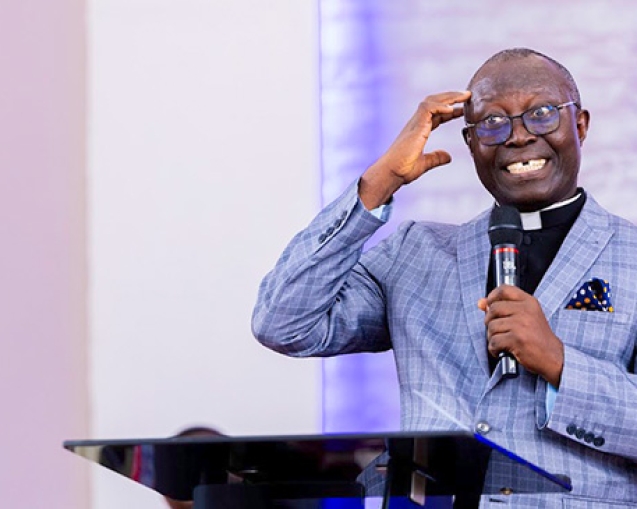



Respect for ministers of the gospel remains an essential Christian value, rooted in the understanding that spiritual authority is established through God’s calling and affirmed through the Church. Within The Church of Pentecost and the wider Christian community, ministers are ordained through prayer and the laying on of hands, symbolising their acceptance of God’s divine assignment to shepherd His people and lead His Church.
In recent times, there has been growing concern about the increasing tendency to speak negatively against ministers of the gospel, particularly through social media and public platforms. Many individuals, sometimes without adequate knowledge of facts or proper understanding of circumstances, make comments that question the integrity and calling of ministers. Such actions have contributed to the erosion of reverence and honour traditionally accorded to servants of God.
Defamation, which involves the communication of false or harmful statements about an individual, remains a serious issue in both spiritual and social contexts. It may take the form of written statements, known as libel, or spoken words, referred to as slander. With the rapid advancement of digital technology, information spreads quickly, and negative reports often travel faster than verified truth. While social media continues to serve as a valuable tool for evangelism and Christian fellowship, its misuse can cause reputational damage, create division, and weaken trust within the Church.
Biblical accounts provide important lessons on the dangers of speaking against God’s appointed leaders. Scripture records instances such as Miriam and Aaron questioning the leadership of Moses (Numbers 12), which resulted in Miriam experiencing divine judgment. Similarly, the rebellion led by Korah, Dathan, and Abiram against Moses’ authority (Numbers 16) led to severe consequences, highlighting the seriousness of challenging divinely appointed leadership without cause. Another example is found in the account of youths mocking the prophet Elisha (2 Kings 2:23–24), which underscores the importance of reverence toward God’s servants.
These scriptural examples remind believers of the importance of exercising caution and wisdom in speech. Words spoken or shared publicly, particularly on digital platforms, carry significant influence and can either build unity or cause harm. Christians are therefore encouraged to verify information before sharing it, avoid spreading rumours, and cultivate attitudes of humility and prayerful support toward spiritual leaders.
Ultimately, believers are called to promote unity, respect, and accountability within the body of Christ. By guarding their words and demonstrating honour toward ministers, members of the Church contribute to preserving the integrity of leadership and strengthening the witness of the Christian faith in society.
Written by Pastor E. Owusu (Mpasaso District – Tepa Area)