
chWeb.jpg

Uphold Integrity, Conscience & Godly Values—Apostle Nyamekye to Judiciary

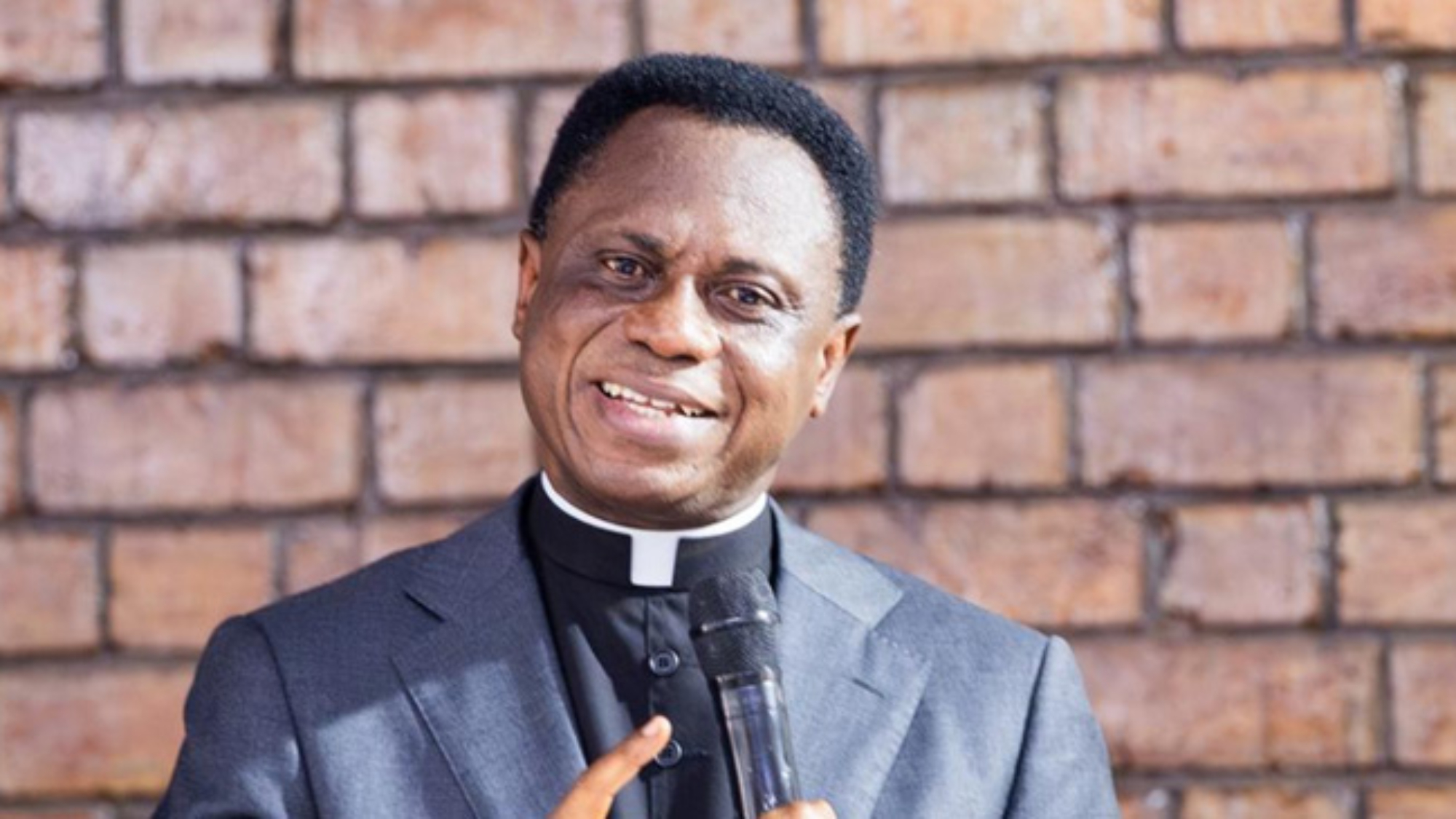
The Chairman of The Church of Pentecost, Apostle Eric Nyamekye, has called on judges and judicial officers to uphold integrity, safeguard their conscience, and remain anchored in biblical values as they administer justice.

Delivering the keynote sermon at the 150th Anniversary Thanksgiving Service of the Supreme Court of Ghana on Friday, July 31, 2026, at the Accra Ridge Church, he stressed that the enduring strength and credibility of the Judiciary depend not only on legal expertise but also on the moral character, convictions, and faithfulness of those entrusted with the administration of justice.

Drawing his main text from Psalm 92:1-2, he stressed that gratitude to God should remain central to both individuals and institutions, noting that the Judiciary had every reason to celebrate God’s faithfulness over the past 150 years.

Reflecting on the history of Ghana’s judicial system since its establishment in 1876, Apostle Nyamekye said it was fitting for the institution to acknowledge God’s goodness and grace throughout its journey. He cautioned against taking God’s grace for granted, urging members of the Judiciary to cultivate an attitude of gratitude by reflecting on God’s continuous faithfulness rather than focusing on shortcomings.

Turning his attention to the future of the Judiciary, the Chairman emphasized that the true strength of any institution lies not merely in its infrastructure or technological advancement but in the character, competence, values, and commitment of its workforce.

“As people standing in God’s stead to determine truth and administer justice, your integrity should not be in question,” he stated, stressing that judges, registrars, court clerks, and all judicial officers must faithfully represent the God of justice through their conduct and decisions.

Apostle Nyamekye lamented what he described as a growing disconnect between Christian belief and everyday conduct, observing that many professing Christians have become complacent in living out biblical values. He maintained that the teachings of Scripture are intended to shape society and that Christians should serve as “the salt of the earth and the light of the world” by demonstrating integrity in every sphere of life.

Referencing the teachings of the Protestant Reformers, he highlighted their commitment to truthfulness, integrity, and keeping one’s word, describing them as “a people supremely concerned about conscience.”

According to him, conscience must be continually enlightened and governed by the Word of God and the Holy Spirit. Quoting Martin Luther’s famous declaration, “My conscience is captive to the Word of God,” Apostle Nyamekye urged judicial officers never to compromise their convictions or values, regardless of external pressure.
He further encouraged members of the Judiciary to accept personal responsibility for their actions rather than making excuses or attributing wrongdoing to circumstances or other people. Instead, he said, they should strive to maintain a clear conscience before both God and humanity by allowing Scripture to guide every decision.

Concluding his message, Apostle Nyamekye reminded judges that posterity would remember them not for their wealth or intellectual brilliance but for the faithfulness, integrity, and justice with which they served the nation.

“As judges adjudicating on behalf of God, your integrity should never be in question. Be a people supremely concerned about conscience, upholding time-tested values and subjecting every decision to them,” he charged.

The thanksgiving service also featured intercessory prayers for the nation and its governance institutions. Prayers were offered by Archbishop Nicholas Duncan-Williams, Founder and General Overseer of Action Chapel International; Rt. Rev. Dr. Abraham Nana Opare Kwakye, Moderator of the Presbyterian Church of Ghana; and Rev. Eastwood Anaba, who prayed specifically for the Judiciary. Rev. Anaba cautioned that when justice is denied and wrongdoing goes unpunished, society becomes vulnerable to violence and instability.

Among the distinguished personalities present were Chief Justice His Lordship Paul Baffoe-Bonnie and his wife, Patience Baffoe-Bonnie, Esq.; Dr Johnson P. Asiama, Governor of the Bank of Ghana; Lydia Yaako Donkor, Director-General of the Criminal Investigations Department (CID); senior officers of the Ghana Prisons Service; Justices of the Judiciary; government officials; and members of the diplomatic corps.

PENT NEWS.

pentWeb.jpg

The Church Of Pentecost: An Onward-Marching Church

In times like these, when the world resembles the condition described in the Old Testament—where “darkness was over the surface of the deep” (Genesis 1:2)—there must be a light that shines into the darkness, a light that the darkness cannot overcome (John 1:5).

For this reason, during His earthly ministry, Jesus called twelve disciples to be with Him so that He might send them out (Mark 3:14). His purpose was clear: they were to become bearers of His light, driving away spiritual darkness wherever they went.

To carry this unfailing light, God established His Church. When Peter received the revelation of Jesus as the Christ, the Son of the living God, he became the representative of the foundational confession upon which Christ would build His Church. This is recorded in Matthew 16:18: “And I tell you that you are Peter, and on this rock I will build my church, and the gates of Hades will not overcome it.”

Today, The Church of Pentecost has become one of those shining lights in the world. From Ghana to the ends of the earth, through the Possessing the Nations Agenda, the Church continues to reach the unreached, transform lives, and proclaim Christ—the true Light and the source of life for all humanity.

As a Church built by Christ Himself, the gates of hell have continually fought against it in many ways. From the days of Rev. James McKeown, through the challenges surrounding the establishment of the Church, and across the leadership of Apostle F. S. Safo, Apostle M. K. Yeboah, Apostle Dr. Michael Kwabena Ntumy, Apostle Professor Opoku Onyinah, and now Apostle Dr. Eric Nyamekye, the storms have been fierce. Yet, in every generation, the glory of God has been revealed, the banner of Christ has been lifted high, and the Church has continued to march forward—from Ghana, its “Jerusalem,” to more than 210 nations across the world.

Indeed, from Africa through Europe, Asia, the Americas, Oceania, and beyond, the Church is fulfilling the mandate of Acts 1:8. The Church continues to be built by Christ Himself, and the gates of hell have not prevailed against it because it is God’s own Church.

From Ghana, a relatively small nation in Africa, the Church is possessing the nations with the power of the Holy Spirit and the truth of God’s Word, faithfully carrying the precious seed of the gospel. The recently concluded Pentecost Conference 2026 has ignited another remarkable wave of revival, with the potential to impact the nations, just as the Azusa Street Revival did in its time and as the outpouring on the Day of Pentecost transformed the early Church (Acts 2:1–4).

If there is a prophecy that is rapidly being fulfilled before our very eyes, it is Christ’s promise to build a Church against which the gates of hell would never prevail. In many respects, The Church of Pentecost stands as a testimony to that continuing fulfilment.

Just as God declared, “Let there be light,” and there was light (Genesis 1:3), so He continues to raise up His Church as a light in a dark world. Throughout every generation, He appoints faithful leaders who, like Peter, receive divine vision and lead His people under the banner of Christ until Jesus is glorified in all the earth and the light of the gospel overcomes the darkness. The Church is marching on, and the gates of hell shall never prevail against it.

Written by Deacon Bright Agbavitor, New Abirem PIWC – Kade Area

confWeb.jpg

Pentecost Conference 2026: The Church Unleashed By The Power Of The Holy Spirit

But you shall receive power when the Holy Spirit has come upon you; and you shall be My witnesses…” — Acts 1:8

Pentecost Conference 2026 has once again affirmed that God is actively building His Church and preparing His people for greater exploits. Across Ghana and in every nation where The Church of Pentecost is established, members gathered with one purpose: to encounter God, receive fresh direction from His Word, and be empowered by the Holy Spirit for effective Christian living and ministry.

Held under the Church’s 2026 theme, “The Church Unleashed to Transform Society Through the Gospel and the Power of the Holy Spirit,” the conference was far more than an annual gathering. It became a spiritual altar where lives were renewed, hearts were revived, and believers were equipped to fulfil God’s divine assignment in their generation.

Throughout the conference, the atmosphere was filled with heartfelt worship, fervent prayer, and the unmistakable presence of the Holy Spirit. From the opening service to the closing session, participants experienced moments of deep reflection, repentance, thanksgiving, and joyful celebration. God’s presence was evident as His people lifted their voices in worship and sought a fresh outpouring of the Holy Spirit.

The sermons delivered by the Chairman, Apostle Eric Nyamekye, and other ministers consistently directed the Church back to its primary mission. Believers were reminded that the Church exists not merely to gather within the four walls of the sanctuary but to influence every sphere of society through the transforming power of the gospel. The messages challenged every Christian to become a faithful witness of Jesus Christ at home, in the workplace, in schools, in the marketplace, and throughout their communities. The call was unmistakable: every believer has a responsibility to demonstrate the values and principles of the Kingdom of God wherever God has placed them.

The conference also placed significant emphasis on the ministry of the Holy Spirit. Participants were reminded that the task of transforming society cannot be accomplished through human wisdom or strength alone. Just as the early Church depended on the Holy Spirit for boldness, wisdom, and power, today’s Church must continually rely on Him for effective ministry. The Holy Spirit remains our source of strength, comfort, guidance, and empowerment to proclaim Christ with boldness.

One of the most remarkable aspects of the conference was the many personal encounters people had with God. During the prayer sessions, many experienced a renewed hunger for His presence. Hearts that had grown cold were revived. Some believers who had struggled in their spiritual walk testified that they had received fresh strength to continue serving the Lord. Others experienced restoration in their prayer lives and renewed passion for studying the Scriptures.

There were also inspiring testimonies that revealed God’s faithfulness among His people. Many shared how the Lord had answered long-standing prayers, brought healing to the sick, restored broken families, opened doors of employment, granted academic success, and provided divine protection in difficult situations. Others testified to experiencing God’s peace amid uncertainty and witnessing His miraculous intervention in circumstances that seemed impossible. These testimonies reminded the entire Church that Jesus Christ is indeed the same yesterday, today, and forever.

The conference further demonstrated the unity that continues to characterise The Church of Pentecost. Regardless of age, language, occupation, or social background, members worshipped together as one family in Christ. Children, youth, adults, and the elderly all participated actively, reflecting the beauty of a united Church pursuing one vision and one mission. This unity remains one of the Church’s greatest strengths as it advances the Kingdom of God both in Ghana and across the nations.

Another significant outcome of the conference was a renewed commitment to evangelism and discipleship. Members were reminded that every Christian is called to be a soul winner. The gospel is not reserved for pastors and evangelists alone; it is the responsibility of every believer. As participants return to their communities, they carry the responsibility of sharing the love of Christ and demonstrating the transforming power of the gospel through both their words and their lifestyle.

The conference also reinforced the Church’s Vision 2028 agenda, “Possessing the Nations II: Unleashing the Whole Church for the Transformation of Their World with the Values and Principles of the Kingdom of God.” The messages encouraged members to move beyond merely attending church programmes and to become active agents of transformation in every sphere of life. Whether in education, business, healthcare, governance, agriculture, or the family, believers were challenged to reflect Christ through integrity, humility, excellence, compassion, and faithful service.

As the conference drew to a close, one truth became abundantly clear: God is still at work in His Church. He is raising a people who are committed to holiness, filled with the Holy Spirit, grounded in His Word, and ready to impact the world for Christ. The fire rekindled during the conference must not remain within the conference grounds but must spread into our homes, workplaces, schools, and communities.

The true success of Pentecost Conference 2026 will not be measured solely by its large attendance or the power of its sermons, but by the transformed lives and lasting impact of its members after the conference. If every believer lives out the truths received and allows the Holy Spirit to direct every aspect of life, the Church will continue to fulfil her divine mandate of transforming society through the gospel.

Indeed, Pentecost Conference 2026 has left an enduring testimony that God is moving mightily among His people. As the Church marches forward under the leadership of the Holy Spirit, may every member remain committed to the mission, faithful to the gospel, and passionate about possessing the nations for Jesus Christ. May the revival experienced during the conference continue to spread until every home, every community, and every nation experiences the saving and transforming power of our Lord Jesus Christ.

Written by Joel Tabiri Tweneboah (Kusi Donkor Worship Centre, Odorkor Area)

Web.jpg

Lessons of The Younger Leader: Lessons For The Next Leader

Sometimes, the desperation to sit among the influential pushes young people to misbehave. The desire for fame can erode the self-respect we possess. For favours, we trade away our dignity, and for recognition, we drift from the truth. Imagine a young leader being used as an instrument of violence simply to secure a position for another, or a young woman sacrificing her dignity merely to dine with people of influence.

These realities bring us to a fundamental question: Who is a leader, especially the kind of leader God expects?

Romans 13:1 reminds us, “Let everyone be subject to the governing authorities, for there is no authority except that which God has established. The authorities that exist have been established by God.”

A leader is simply someone who leads. Leadership involves guiding, directing, influencing, inspiring, nurturing, and serving people towards a common purpose. A leader may use this influence for good or for evil—leading people either towards progress or destruction.

The Bible provides clear examples. God appointed Saul as Israel’s first king, yet because of his disobedience, David became the king after God’s own heart. Likewise, Daniel 4:17 declares, “The Most High is sovereign over all kingdoms on earth and gives them to anyone he wishes and sets over them the lowliest of people.”

Ultimately, leadership is not merely attained by human effort; it is a divine trust granted by God.

Lessons for the Next Leader

The next generation of leaders must intentionally cultivate the following qualities:

Humility | Vision | Decisiveness | Proper Branding | Building a Solid Foundation | Integrity | Self-Respect

1. Humility

A leader deserves honour but must never become consumed by pride. Humility recognises that those you lead often possess ideas, skills, and perspectives that contribute to success. Great leadership is not built on arrogance but on teachability and mutual respect.

2. Vision

Leadership begins with vision. A leader without vision is like a ship without a compass. Every aspiring leader should develop a vision that is SMART—Specific, Measurable, Achievable, Relevant, and Time-bound. Vision provides direction, inspires people, and gives purpose to every decision.

3. Decisiveness

Every leader must possess the courage to make sound decisions. Decisions require wisdom, responsibility, and conviction. Know where you belong, what you stand for, and the values you will never compromise. Decisions rooted in strong principles stand the test of time.

4. Proper Branding

In today’s digital age, your reputation matters. The internet never forgets, and people are always watching. The next leader must intentionally build a personal brand that reflects discipline, modesty, and excellence. Your appearance, speech, and conduct should consistently communicate dignity and respect. Indeed, there is wisdom in the saying that people often address you according to how you present yourself.

5. Building A Solid Foundation

Every lasting leader is built upon a strong foundation—academically, socially, spiritually, and morally. Education equips the mind, while spiritual growth strengthens character. Hosea 4:6 says, “My people are destroyed for lack of knowledge.”

A leader must therefore be committed to lifelong learning, reading widely, understanding the failures of past leadership, and preparing wisely for future responsibilities.

6. Integrity

Integrity is the anchor of true leadership. Aposte Dr. Eric Nyamekye, Chairman of The Church of Pentecost, aptly said, “Integrity is doing what is right even when no one is watching.”

One of the greatest challenges facing leadership today is hypocrisy—appearing righteous in public while living differently in private. The next leader must reject this pattern and become a person of unquestionable character.

7. Self-Respect

Finally, every leader must possess genuine self-respect. Self-respect is not arrogance; it is recognising your God-given worth and conducting yourself with dignity. It means refusing to compromise your values, your purity, or your convictions for temporary gain, popularity, or personal favours. A respected leader first learns to respect themselves.

Conclusion

Leadership is more than holding a position; it is leaving behind a legacy that positively transforms lives. Therefore, do not simply aspire to become a leader—strive to become a good and godly leader.

Job 12:23 reminds us, “He makes nations great, and destroys them; he enlarges nations, and disperses them.”

God remains the One who raises leaders and brings them down according to His sovereign will. Success in leadership, therefore, requires not only competence but also God’s grace and divine appointment.

As the next leader, always seek to follow God’s direction. Lead with humility, integrity, wisdom, and courage. Never run ahead of God—walk with Him, and allow Him to lead you as you lead others.

Written by Deaconess Theodora Mireku-Boateng, (Vice President, NASPA-Ahafo Ano North Municipality)

Jesus is the Only Accredited High Priest in Divinity & Humanity web.jpg

Jesus is the Only Accredited High Priest in Divinity & Humanity — Pastor Ameyaw Frempong

The Sepe-Buokrom District Minister of The Church of Pentecost, Pastor Stephen Ameyaw Frempong, has underscored that Jesus Christ is the only High Priest appointed by God and perfectly identified with humanity, mandated to redeem mankind from sin and its devastating effects.

He made this known during a sermon titled “Jesus Christ: The Accredited High Priest,” delivered under the overarching theme “Jesus Christ: Our High Priest,” at the 2026 New Tafo Zone Easter Convention held on Saturday morning, April 4, 2026, at the Buokrom Methodist School Park.

Quoting Hebrews 3:1 and 9:12, Pastor Ameyaw Frempong traced the origin of the broken relationship between humanity and God, explaining that the fall of man led to the departure of God’s glory, leaving humanity exposed and isolated. He noted that this separation created the need for a mediator to reconcile mankind to God, ultimately fulfilled through the birth and sacrificial death of Jesus Christ (Matthew 1:21).

“Humans are subject to sin and death. Just as high priests must first atone for their own sins before those of the people, they cannot be perfect mediators. Jesus Christ, being sinless and eternal, alone qualifies as the true High Priest for both God and humanity,” he stated.

Citing Hebrews 5:5–6 and Psalm 110:4, Pastor Ameyaw Frempong stressed that Jesus’ priesthood was divinely ordained, highlighting key attributes that affirm His accreditation, including His unique birth, sinless life, miraculous ministry, and the supernatural events surrounding His death and resurrection.

He emphasised that beyond His sacrificial role, Jesus Christ continues to intercede for believers, serving as an eternal High Priest. Pastor Ameyaw Frempong, therefore, urged Christians to remain steadfast in their faith and to lead lives marked by holiness and righteousness, as people redeemed by the Lord.

Report by Emmanuel Nana Nsiah

PIWC-Atomic Women’s Ministry Empowers Members Through Skills Training web.jpg

PIWC-Atomic Women’s Ministry Empowers Members Through Skills Training

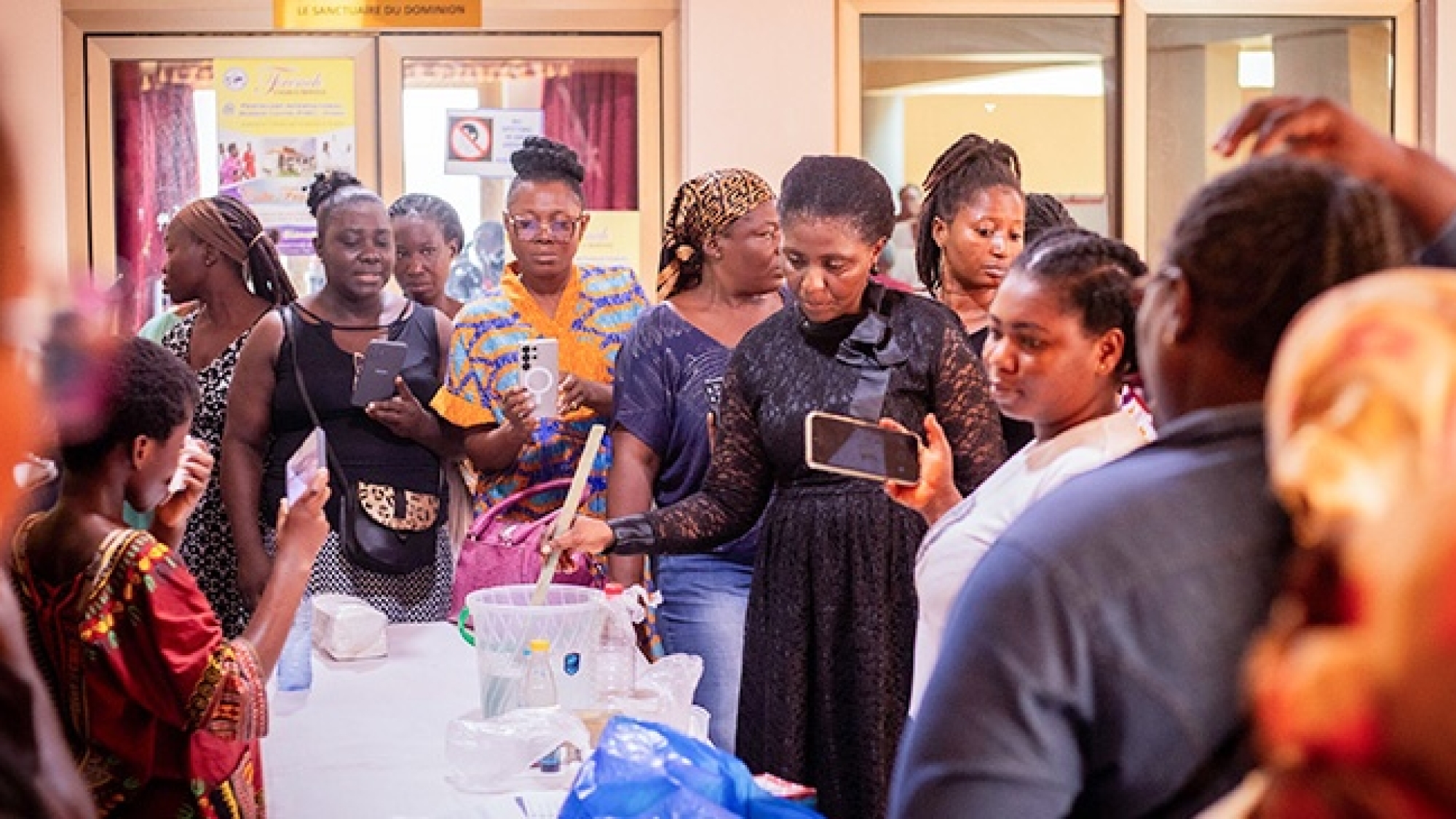
The Women’s Ministry of the Pentecost International Worship Centre (PIWC-Atomic) empowered its members over the weekend in Accra through its Annual Skill Set Training Program, equipping women with practical skills for home management, income generation, and economic growth.

This year’s training focused on producing six household essentials: water closet cleaner, floor and toilet cleaner, multipurpose detergent, fabric softener, shower gel, and bar soap. Dr. Eric William Ampadu, Director and Facilitator of the Centre for Skills Entrepreneurship Productivity and Management (CESPIM), led participants through an intensive program combining theoretical instruction with hands-on exercises. He emphasized compliance with regulations from the Ghana Standards Authority, the Food and Drugs Authority, and the Council for Scientific and Industrial Research, stressing standardization, certification, safety, proper chemical usage, testing, processing techniques, branding, and quality control.

Dr. Ampadu reminded participants of the central role of water in production, noting that while it is the most common ingredient, it is also the most important. He urged members to use water in its purest form – through distillation, boiling, or other purification methods – to ensure product quality.

The District Women’s Ministry leader, Deaconess Mrs. Gifty Agyemang, expressed her satisfaction with the turnout and success of the training, commending the women for their enthusiasm and willingness to acquire new skills. She highlighted the importance of such programs in fostering financial freedom, creativity, innovation, and adaptability – qualities essential for advancing the Church’s Possessing the Nations agenda.

Mrs. Agyemang encouraged participants to apply the skills learned to profitable ventures and home management, adding that leadership plans to continue subsidizing the program and expanding its reach. She noted that last year’s training focused on spices and aromatics production and hinted that next year’s session will offer an even broader package to further empower women in the District.

Deep Calls For Deep A Call To Spiritual Depth web.jpg

Deep Calls For Deep: A Call To Spiritual Depth

At the Global All Ministers Conference of The Church of Pentecost, the Chairman, Apostle Dr. Eric Nyamekye, delivered a profound spiritual exhortation on the theme, “Deep Calls for Deep,” drawn from Psalm 42:1–7. The passage captures the intense longing of the psalmist and speaks to the enduring spiritual hunger of believers.

“As the deer pants for streams of water, so my soul pants for you, my God.” (Psalm 42:1)

Expounding the text, Apostle Dr. Nyamekye explained that the “deep” signifies the depth of God’s nature, power, wisdom, and presence, while the responding “deep” reflects the depth of the human spirit yearning for Him. He noted that spiritual depth does not occur by chance but is cultivated through genuine hunger, surrender, and consistent fellowship with God. The psalmist’s cry, he emphasised, was not merely for relief but for God Himself – demonstrating that authentic spirituality transcends surface encounters and routine religiosity.

The Chairman underscored that shallow Christianity cannot sustain believers in challenging times. The psalmist testified that “my tears have been my food day and night” (v.3), and his soul was “cast down” (v.5). Yet, even in distress, he reached for God more deeply. This, Apostle Nyamekye indicated, reveals that spiritual maturity is often forged in adversity. Trials become divine instruments that draw believers from the shallow end into deeper waters of faith and trust.

Highlighting practical lessons, he urged believers to cultivate spiritual hunger, noting that complacency dulls appetite for God. He encouraged the Church to press into God during trials, viewing challenges as invitations to deeper communion rather than reasons for withdrawal. He further cautioned against allowing programmes and activities to replace intimacy with God, stressing that the deep things of God are accessed through prayer, the Word, and obedience.

Additionally, believers were admonished to encourage their own souls with God’s Word in moments of discouragement and to depend wholly on the Holy Spirit, for “the Spirit of God can lead believers into the deep things of God” (1 Corinthians 2:10).

In conclusion, Apostle Dr. Nyamekye reminded the Church that the urgent need of the hour is not merely for intelligent or gifted people, but for deep people. “Deep calls for deep” remains both a divine invitation and a spiritual charge for believers to pursue intimacy, power, and lasting impact in Christ.

Written by overseer Joseph kyei Asomaning (Namong District- Wa Area)

Repairing Broken Altars To Transform The Society WEB.jpg

Repairing Broken Altars To Transform The Society

Society today is facing moral, social, and spiritual challenges that affect every home and community. Many of these challenges trace back to broken altars – altars that represent our commitment to God, our prayers, and our covenant relationship with Him. When altars are neglected, spiritual power diminishes, and the church’s ability to influence society positively is weakened.

Repairing broken altars begins with each member examining their relationship with God. Prayer, repentance, and obedience restore spiritual strength, rekindling faith that can influence families, communities, and the nation. The Bible reminds us in 1 Samuel 7:3, “If you return to the Lord with all your heart…direct your heart to the Lord and serve Him only, and He will deliver you.” A restored altar opens the door for divine intervention in personal and societal challenges.

The church, as the body of Christ, has a collective responsibility to repair its altars. This requires corporate prayer, consistent worship, and a renewed focus on God’s principles. When altars are repaired, the church becomes a beacon of hope, holiness, and righteousness. Spiritual revival among members leads to practical transformation in society, influencing peace, justice, and moral uprightness.

Broken altars allow despair, corruption, and disunity to take root, but restored altars usher in revival, reconciliation, and progress. The process of repairing altars is not limited to rituals; it involves sincere devotion, accountability, and commitment to living according to God’s Word. Members must continually seek God’s guidance in their daily lives, ensuring their actions reflect His love and truth. Transformation begins in the church because it flows from restored altars. As the body of Christ strengthens its spiritual foundations, society experiences positive change.

Let every member rise to repair the broken altars in their hearts and homes. Let the church stand united in prayer, holiness, and service.

The altar awaits restoration. Society awaits transformation.

Written by Pastor Samuel Dadzie, Kpong District Pastor – Agormanya Area

donateWeb 1

Elder Amoah Family Donates GHS 1.89 Million Auditorium To Yawkwei Assembly

Elder Prince Amoah, Executive Chairman of the Prince Mark Group of Companies, together with his wife, Margaret, has singlehandedly constructed and donated a fully furnished church auditorium valued at GHS 1,891,651.78 to the Yawkwei Assembly in the Konongo Area of The Church of Pentecost.

The modern auditorium is fully completed with floor tiles, platform curtains, musical instruments, and seating arrangements to enhance worship and church activities.

The facility was officially dedicated by Apostle Samuel Gyau Obuobi, General Secretary of The Church of Pentecost, on behalf of the Chairman of the Church.

The Yawkwei Assembly, which falls under the Habitat District of the Konongo Area, was established on May 14, 1989, under the leadership of the late Pastor Ackah Baidoo. The assembly began with humble beginnings, holding services at the Yawkwei D/A Primary School. In 1991, through perseverance and faith, the congregation acquired a plot of land to construct a permanent place of worship. From an initial membership of just eight believers – three men and five women – the assembly has grown steadily over the years.

Delivering the sermon on the theme “The Whole Duty of Man,” drawn from Ecclesiastes 12:13, Apostle Obuobi explained that man’s duty is twofold: to fear God and to obey His commandments. He emphasised that the Christian God is a living God who speaks and expects obedience.

“We serve a God who listens and speaks. In times past, He spoke through the prophets, and today He speaks through His Son,” he stated.

The General Secretary stressed that when God speaks, obedience – not debate – is required. “We do not rationalise the Word of God. All He requires is obedience,” he said, adding that God demands total obedience, not partial compliance, because “the Word of the King is law.”

He further reminded believers that salvation brings them under a new authority. “A new creation is no longer under the kingdom of Satan but under the Kingdom of God,” he noted, explaining that no religious activity can replace obedience. “Prayer and fasting cannot substitute obedience. God is interested in your heart,” he added.

Quoting John 14:15 and 1 John 5:3, Apostle Obuobi concluded that obedience is both the proof of one’s love for God and a benefit to the believer.

Dignitaries present at the service included Mrs. Juliana Korkor Obuobi, wife of the General Secretary; Apostle Peter Kofi Dzemekey (Executive Council Member/Ashanti RCC Coordinator/Asokwa Area Head); Pastor Stephen Amoako (Konongo Area Head); Pastor Peter Ansah (Area Secretary); Pastor Thomas Paul Owusu (Juansa District); Pastor Fred Sarfo (New Koforidua District); Pastor Michael Acheampong (Juaso District); Pastor Peter Rockson Ati (Dwease District); and Pastor Eric Nkwah (Patriensa District).

Also present were Pastor Elisha Edusei of the Presbyterian Church of Ghana, Mr. Razak Alhassan, Assembly Member for Yawkwei, and traditional leaders from the community.

Pent News.

pememWeb 1

Pemem Obuasi Leads Three-Day Road Safety Campaign

The COP Men’s Ministry (PEMEM) – Obuasi Area, in partnership with AngloGold Ashanti Obuasi Mine and Vivo Energy Ghana, successfully conducted a three-day road safety awareness campaign, “Kwanso Dwoodwoo,” aimed at promoting responsible road use and reducing traffic accidents, particularly during the Christmas season.

The campaign began on Tuesday with outreach activities across key locations in Obuasi, engaging drivers, motorists, pragyia riders, and passengers. The team educated road users on safe driving practices, defensive driving, adherence to traffic laws, and the shared responsibility of ensuring safety on Ghana’s roads. Educational materials on road safety, distributed with support from AngloGold Ashanti and Vivo Energy, were used to enhance awareness, improve knowledge, and encourage behavioural change among all categories of road users.

Addressing participants on the first day, Area PEMEM Leader, Pastor Prince Agyeman, called on the public to embrace Jesus Christ, the Prince of Peace, noting that His teachings foster peace, discipline, and responsible behaviour both on and off the road. He emphasised that Christ is the true reason for the festive season.

The initiative received technical support from several institutions, including the Motor Traffic and Transport Department (MTTD), Driver and Vehicle Licensing Authority (DVLA), Ghana National Fire Service, National Ambulance Service, Obuasi Municipal Transport Unit, Safety Campaign Ghana, National Road Safety Commission, and the Narcotics Control Board. Resource people from these organisations delivered practical presentations and interactive sessions, highlighting traffic management, emergency response, substance abuse prevention, and strict compliance with road safety regulations.

On Wednesday, a durbar was held at the Horsey Park Lorry Terminal, engaging commercial drivers in direct discussions. Elder Ato Cobbina, Assistant Area Leader, representing the Area Head, advised drivers to resist undue pressure from vehicle owners or others that could compel risky behavior. He also appealed to passengers and the public to avoid actions that contribute to accidents and loss of lives.

The final day of the campaign extended to the Obuasi–Kumasi Highway, where road users were cautioned to observe patience, vigilance, and adherence to safety rules, particularly on busy routes prone to accidents during festive periods. Prophet David Kankam Beditor, Area Head, urged all drivers to treat safety as a personal and moral obligation, reminding that every accident affects real families and communities.

The “Kwanso Dwoodwoo” campaign has been widely commended for its holistic approach, strong stakeholder collaboration, and timely intervention. The initiative underscores PEMEM Obuasi’s commitment, in partnership with key institutions, to community safety, responsible citizenship, and the promotion of life and peace on Ghana’s roads, to the glory of God.

Report by Elder Eben McKeown Asare