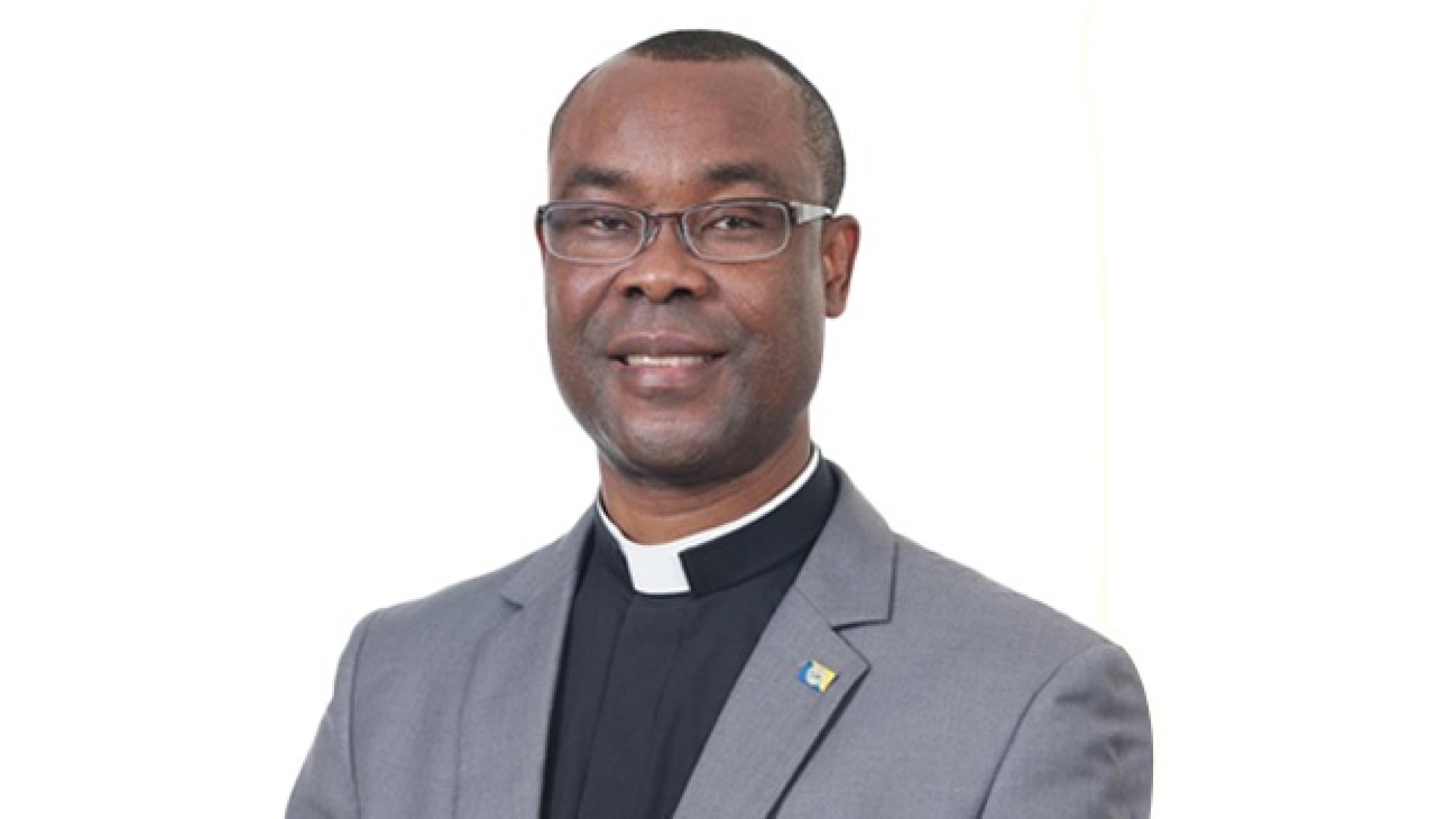
Day Two of the “Ashaiman for Christ Crusade” at Lazio Park in Zenu was filled with an atmosphere of worship and renewed hope as Apostle Alexander Nana Yaw Kumi-Larbi, the Ashaiman Area Head of The Church of Pentecost, delivered a compelling message on the theme: “Jesus Came to Seek and to Save the Lost.” His sermon centred on the transformative encounter with Jesus Christ and the restoration of true hope.
Apostle Kumi-Larbi drew his key text from Luke 15:11–24, which highlights the Parables of the Lost— the Parable of the Lost Sheep, the Parable of the Lost Coin, and the Parable of the Lost Son (often referred to as the Prodigal Son). He explained that the central message of all three parables is God’s unconditional love and the joy in heaven when even one sinner repents and returns to Him.
He challenged the people to reflect on where they had placed their hope, stressing that true hope begins with recognising who Jesus Christ is. When a person encounters this truth, salvation becomes not just a doctrine but a personal and life-changing experience.
Apostle Kumi-Larbi reminded listeners that humanity’s struggles were never part of God’s original design. Referring to the events in the Garden of Eden, he explained that sin entered the world when humanity strayed from God’s instruction. “It was not how God created us,” he emphasised. Sin, he noted, was the result of disobedience, and since then humanity has grappled with separation from its Creator.
He stated that Jesus Christ came specifically for those who feel tired, restless, and burdened by life’s challenges. Citing Luke 5 and Luke 19, he highlighted Jesus’ deliberate association with tax collectors such as Zacchaeus, who, in biblical times, were widely regarded as notorious sinners. He also recalled the parable of the lost sheep in Luke 15, where the shepherd left the ninety-nine to search for the one that was lost—a sheep that could easily have fallen prey to danger. In the same way, he said, humanity, held captive and led astray by the enemy, needed a Saviour.
Expounding further on the parables of the lost sheep, the lost coin, and the lost son, he explained that each story reveals the heart of a God who refuses to abandon His own. Like the prodigal son who came to his senses and returned home, anyone who reflects and turns back to God will be welcomed with open arms. He described God as a loving ‘mother’, eager to restore His children. The Bible, he added, affirms that when even one person is saved, all of heaven rejoices.
Addressing the crowd directly, Apostle Kumi-Larbi said they were not gathered because they had nothing else to do or simply to pass time. They had gathered to proclaim the Son of God who saves. He urged those who see themselves as the lost sheep—weak and unable to rescue themselves—to come to their senses and allow Jesus to intervene. An encounter with Christ, he said, moves a person from death to life.
The sermon took a deeply personal turn when the former General Secretary of the Church shared his own testimony.
At the age of fourteen, after enduring severe hardship, he had been declared close to death. However, during a visit to an all-night service, he heard a message on the theme: “If the Son makes you royal, you are royal indeed.” That moment marked a decisive turning point in his life. From then on, through every stage of his education and ministry, he said, God preserved him.
He recounted how his entire house was once destroyed by fire, yet from that tragedy emerged unexpected favour. He later received a fully funded scholarship that supported his studies abroad together with his wife and children. Through every trial and triumph, he affirmed, God had been his sustainer and destiny changer.
“The Saviour is here to save. Jesus Christ is the last stop,” he said, emphasising that when Christ forgives sin, He restores lost dignity and opens new doors. Reflecting on his own journey, Apostle Kumi-Larbi declared that he has never seen anyone come to Jesus and remain the same—shame is removed, identity is restored, and a new path begins.
Report by Eunice Ayisi Asare