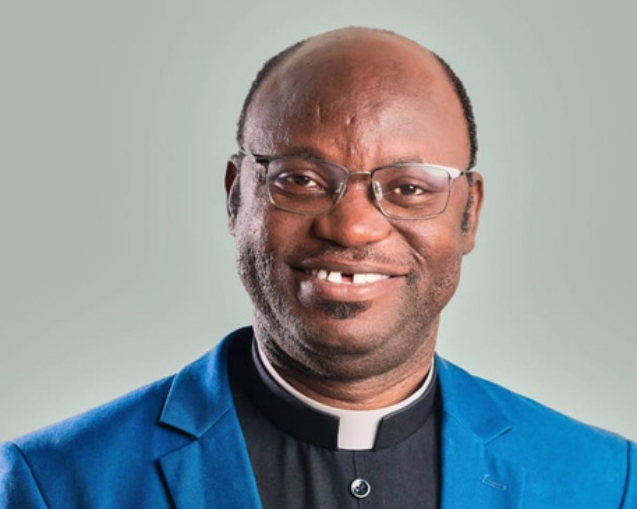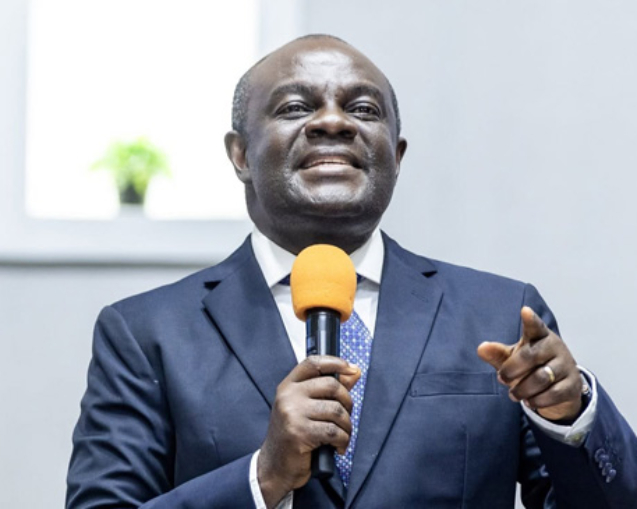

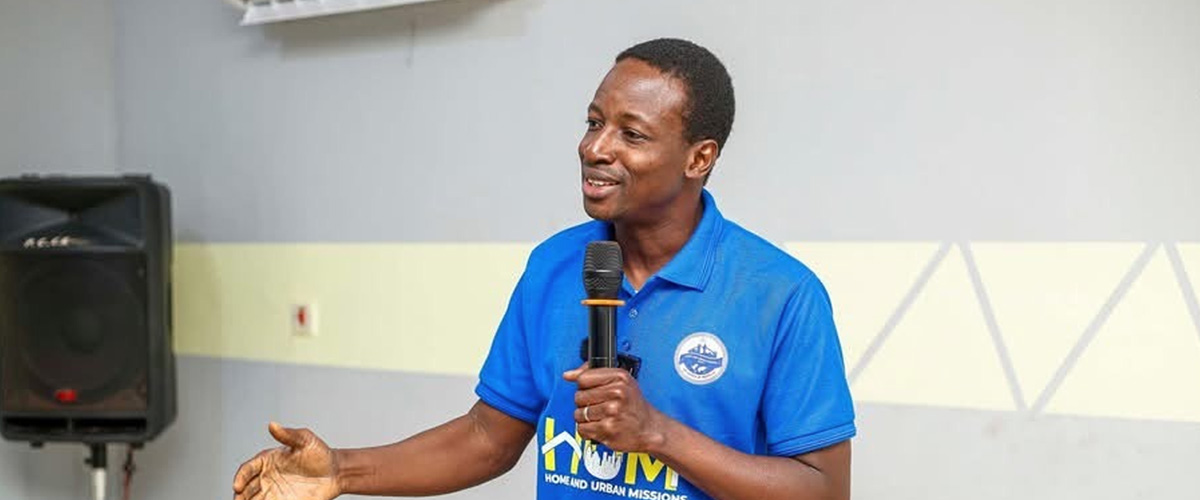
The Coordinator for Home and Urban Missions (HUM) of The Church of Pentecost, Apostle Benjamin Ofei-Badu, has challenged the Church to demonstrate God’s unconditional love by reaching everyone, particularly vulnerable, marginalised and neglected people in society.
Addressing the Aflao Area Pastorate, he said the biblical concept of “whosoever” leaves no room for selective evangelism, stressing that God’s love extends to all people, regardless of their social status, background or circumstances.
Drawing from John 3:16, Acts 18:10 and 1 Corinthians 9:19, Apostle Ofei-Badu observed that although churches preach universal love, their actions sometimes contradict this message by concentrating on those who are easily accessible while overlooking the vulnerable, urban poor, migrants and destitute.
“If we say we believe in ‘whosoever’, then we have to actually go find the ‘whosoever’,” he stressed.
Referencing Apostle Paul’s commitment to becoming a servant to all to win as many as possible for Christ, he explained that Christian witness requires believers to move beyond their immediate social and religious circles.
He further cited Acts 18:10, where God encouraged Paul to continue preaching in Corinth, noting that God’s love for people precedes the Church’s efforts to reach them.
“God isn’t asking us to win people for Him. He’s asking us to tell the people He already loves that they are loved,” he said.
Linking the mandate to the Great Commission in Matthew 28:18–20, Apostle Ofei-Badu said Christ’s instruction to make disciples of all nations requires the Church to reach people from every background, including those society has abandoned.
He acknowledged the contributions of The Church of Pentecost through its Home and Urban Missions initiative but maintained that the work remains unfinished, particularly as migration and urbanisation expose vulnerable populations to neglect.
Apostle Ofei-Badu explained that the Church’s primary responsibility is to introduce people to Jesus Christ, through whom spiritual transformation becomes possible, while demonstrating compassion and treating vulnerable people with dignity.
Citing 2 Corinthians 5:17, he explained that encountering Christ could transform how people understand themselves and their circumstances, even when their immediate challenges remain unresolved.
He noted that many people struggle with shame, fear and misconceptions about God’s love, while others have never had the opportunity to hear the Gospel clearly. The Church, he said, must bridge this gap by becoming a credible witness to Christ’s love and transforming power.
Acknowledging that reaching everyone requires patience, sacrifice and persistence, he urged believers to remain committed even when the work becomes difficult.
He concluded by challenging the Church to measure its commitment to the Great Commission by its willingness to reach people beyond conventional boundaries, leaving no one behind.
“The real challenge facing the Church is not whether it can afford this mandate, but whether it can afford to live without it,” he said.
PENT NEWS.