Website (1)

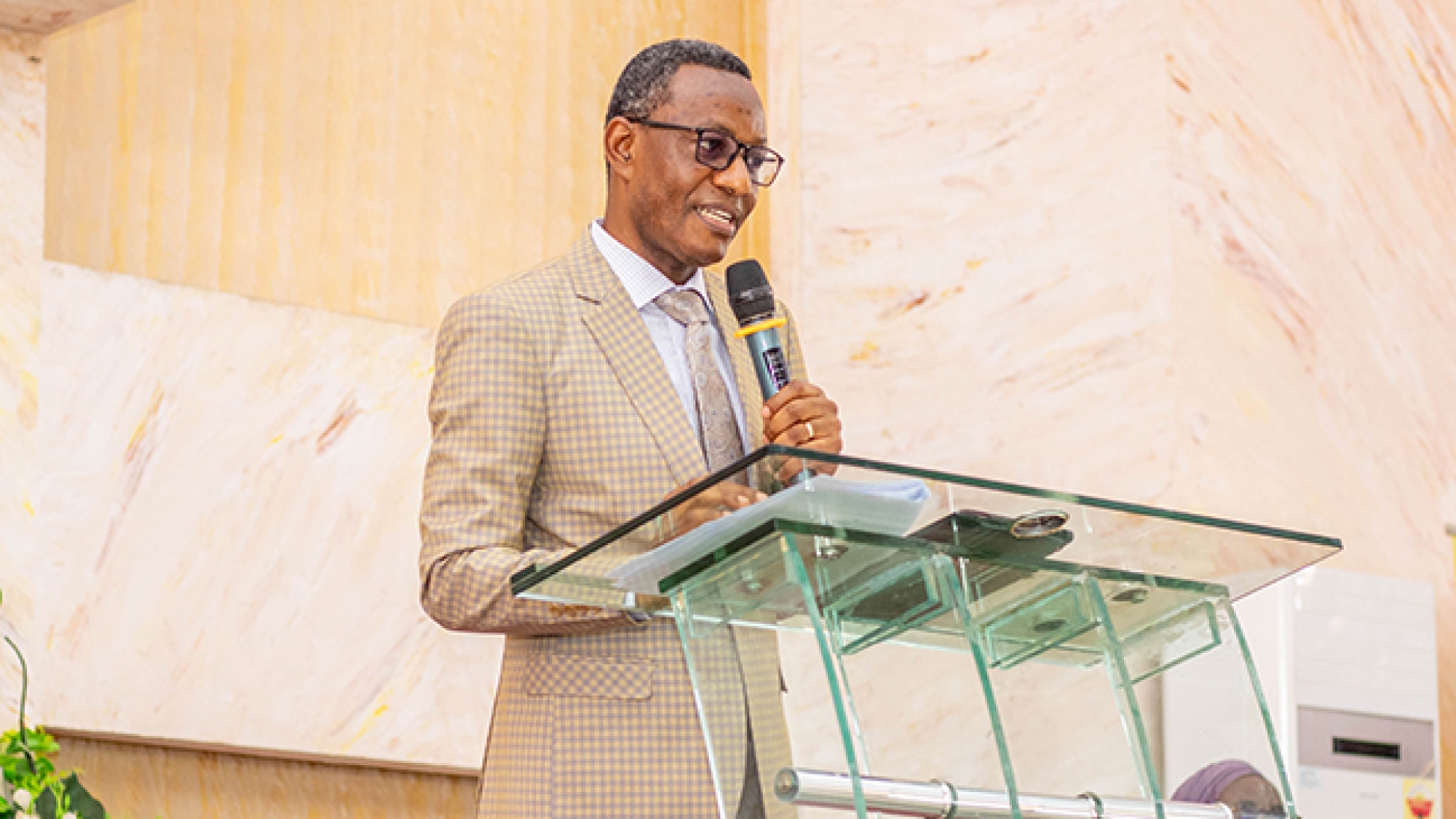
Ho Area Dedicates 4 Community-Based Church Buildings

Apostle Dr. Dela Quampah, the Ho Area Head of The Church of Pentecost, and Executive Council Member of the church, has dedicated four (4) community-based church buildings (CBCBs) in the area.

The dedication services happened at Klefe Assembly in Bankoe District, Kpeleho Assembly in Adaklu Waya District, Matse Assembly in Ziavi Dzogbe District and Anum Asikuma English Assembly in Anum Asikuma District of The Church of Pentecost.

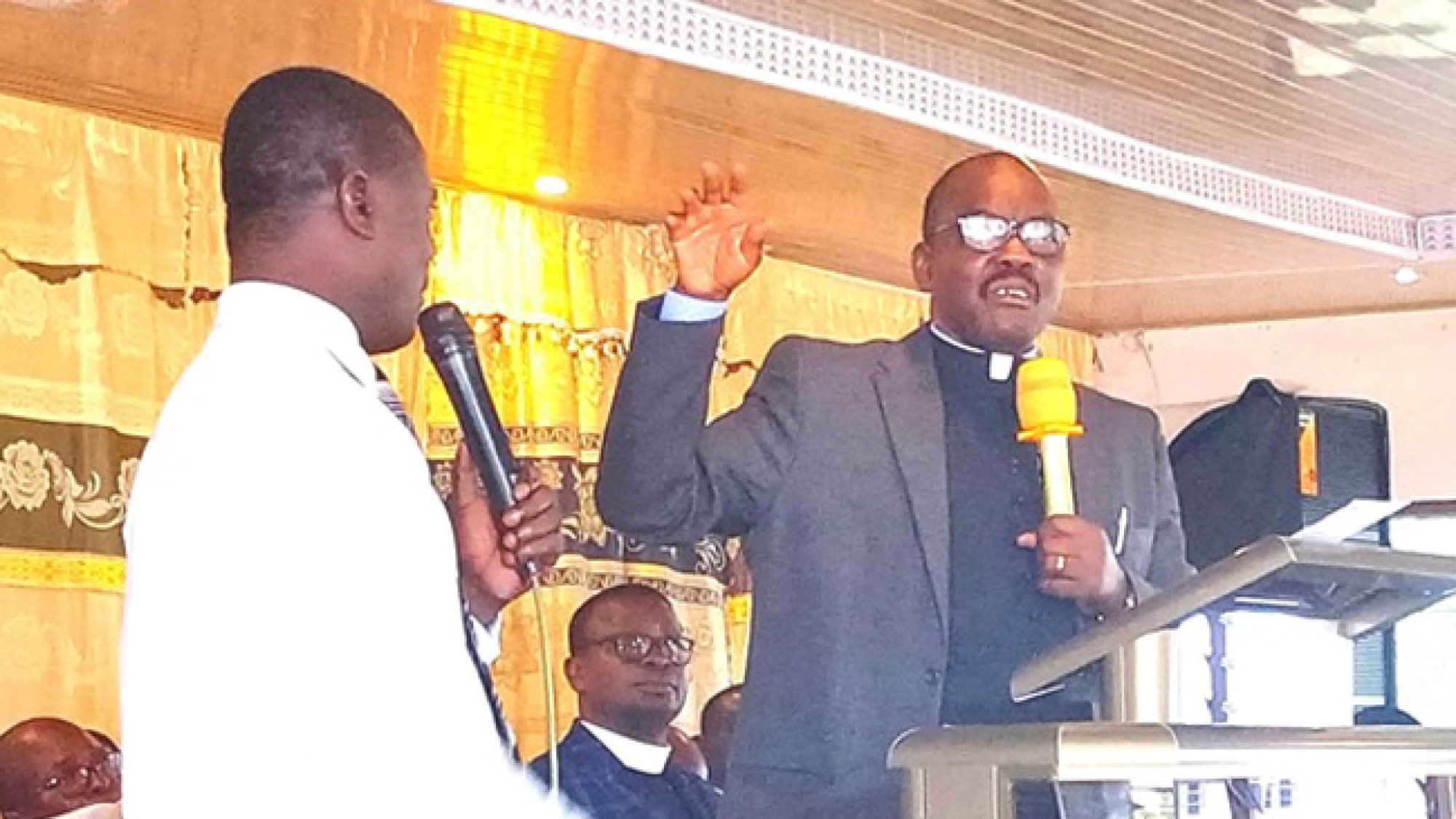
Addressing the congregants in Adaklu Waya District, Apostle Dr. Dela Quampah, who doubles as the Volta and Oti Regional Coordinator of the church, commended the leadership of the church for the effort in constructing the first church building in the district since its creation 13 years ago.

Speaking in all the four assemblies, he admonished both members and officers of the church to cultivate a good maintenance culture so that the buildings would continuously look magnificent in their appearance.

In a sermon on the theme, “Living Stone For Spiritual House,” Pastor David Francis Akayue, Resident Minister for Pentecost International Worship Centre (PIWC) – Ho, noted that the living stone is able to impact life and rekindle the Spirit of God in believers.

He stated: “Man has to be conscious of the presence of God, else he/she may miss divine appointment.”

He further added: “We should always be conscious of the fact that when we come to church, we come to a Living Stone that is able to save and turn us into stones made alive to be built into a spiritual house.”

The traditional authorities expressed their appreciation to the church for putting up beautiful edifices as a place of worship in their communities.

Report by Overseer Felix Brakatu.

Website

Women’s Ministry Director Ends Wa Area Tour

Deaconess Philomina Mireku, Women’s Ministry Director of The Church of Pentecost, has ended her working visit to the Wa Area of the Church.

She was accompanied by Deaconess Vivian Amfo, Deputy Women’s Ministry Director, and Deaconess Evelyn Lang-na Mensah, Northern Representative on the National Executive Committee of the Women’s Ministry.

The meetings were zoned into five centres namely, Wa, Lassia, Nadowli, Lawra and Bulenga.

In a brief welcome address, Apostle Daniel Nii Tetteh Tackie, Wa Area Head of The Church of Pentecost, stated: “Considering the number of administrative areas in Ghana, Wa Area of the church feels privileged to have been chosen by the Women’s Ministry Directorate for such a timely visit.” 

Speaking on the topic, “An Equipped Woman in Building a Healthy Family,” Deaconess Philomina Mireku, explained that Women’s Ministry meetings serve as equipping centres for the members.

Using Proverbs 14:1 and Proverbs 31:10ff as scripture references, she mentioned some of the factors for building a healthy family as the respect for their husbands and seeing them as the family heads; caring for their children and dependants; implementing morning devotions in the home, and being industrious women.

The Women’s Director admonished the women against indulging in quarrelsome conduct, laziness, and neglect of their children. She also advised them to eschew unhealthy comparisons in their families.

She added: “When women perform their roles adequately, the family becomes healthy and prosperous, members of the family relate better among themselves, the glory of God is exhibited in the home, and the Church grows.”

She encouraged the women to regularly undergo medical check-ups and pay attention to their health issues.

As part of the visit, district and local Women’s Ministry leaders were taken through training on squad formations, facilitated by Deaconesses Vivian Amfo, Deputy Women’s Ministry Director and Evelyn Lang-na Mensah.

A special award was presented to Deaconess Elizabeth Naaba, Presiding Deaconess of Bisikan Assembly, Bulenga District of The Church of Pentecost. She has served in the Women’s Ministry of the church since 2001 and has been instrumental in the establishment of the ministry in the district while training leaders.

Felicia Naah, Veronica Atta, Taanu Banye and Afia Saalifu, former Women’s Ministry Executives, were subsequently presented with awards for their contributions to the Women’s Ministry work in the Area.

The Wa Area Head of the church, Apostle Daniel Nii Tetteh Tackie, led the team to visit Deaconess Rose Kumah, a former Wa Area Women’s Leader, who is currently in her old age.

The Women’s Ministry Director and her team were also taken on tour for sight-seeing at the famous Royal Cosy Hills Safari at Jirapa, which is popularly known as ‘Jirapa Dubai’.

Report by Pastor Gordon Ansah & P/Ovr. Stephen Supir Bedim.

Conflict-Management

Handling Conflicts At The Workplace Using Jesus’ Template

“Do Good to Those Who Hate You” – Luke 6:27-36

We all have had or been involved in one form of conflict in our workplace or the marketplace. Thus, we have all seen or experience conflict. So it is part of life, we cannot avoid it entirely because we do not control other people’s emotions and actions. But in Luke 6:27-36, Jesus Christ gave a beautiful and life-transforming roadmap to address situations of conflict. He says “Love your enemies, do good to those who hate you, bless those who curse you, pray for those who abuse you” (Luke 6:27-28). Wow! Is this possible at all? So Jesus, you are saying that I should pray for those I know are my enemies, those who wish that I don’t get that promotion, those who desire I fail and set trap for me? I should do good to them? Are you serious Jesus? Do you how know bad that brother or sister hurt me?

Interesting and difficult as it may seem, Dr. Luke leaves no doubt that this is a teaching for the economic and business world as well, as he emphatically relates the story to lending money. “Lend to your enemies, expecting nothing in return” (Luke 6:35). Let me be clear on this point, this does not and is not like a business or commercial lending strategy, no! However, it is meant to help us understand this narrative so well. Whatever place of influence or power we have been blessed to occupy is only meant to serve and cause positive change and enduring legacy but not meant to crush people we are in conflict with. Saul is a classic example here. Using the entire army of Israel to chase after a shepherd boy, David, with sole purpose of crushing and killing him. But David had a different understanding, even when Saul fell into his hands and had the opportunity to kill him with just a strike, he refused to do that, later Saul confessed that “You are righteous that I”. This is a human being, flesh and blood like us. Let’s apply this to our workplaces.

LEVEL 1 – INDIVIDUAL LEVEL

Jesus is saying that we must work for the good of those we are in conflict with…difficult eh? This is not to say we should avoid conflict, because like I said earlier, we don’t control other people’s behaviours and emotions, but only ours. It also does not mean the Christian worker should not compete in his field, no. But it does mean, for example, that if you are competing with a co-worker for promotion, you must help your co-worker or opponent do their work as well as they can, while doing yours excellently knowing that promotion comes from God (Gen. 39:5, Dan. 2:42, Psalm 75:7) and it’s a reward for hard work, diligence dedication and above all, uprightness, adhering to the rules of engagement.

LEVEL 2 – CORPORATE LEVEL

Here, we are not to crush our competitors. While working as Business Development Manager years ago, I had the opportunity to engage clients together with several colleagues from other banks pitching for the same business. Sometimes, we did presentations in turns and you hear others throwing jabs and tantrums in their efforts to sell their products, some even condemned their opponents institutions. One of the timeless lessons I had from my supervisors was, “always sell the differentiating factor when pitching”, that is, what makes your product unique and valuable from the rest on the market? Sell value! With this we won many without crushing words. Crushing your competitors in an evil way won’t make you better, you rather attract God’s wrath because you are against his word. Today, some companies uses  frivolous lawsuits, monopolization, false rumors, stock manipulation, and the likes to crush their competitors. Even nations uses natural resources to blackmail other nations to have leverage ver others. This may seem a strategic imperative, but it’s wrong if we pass it through the prism of the scripture as Prof. Kwame Bediako suggested. Some even uses social media fake videos to destroy businesses of their competitors. This is evil and God will judge every action, thoughts and intents of men so we need to be very careful in our walk with him.

The Puritans were very business minded Christians, believed in the dignity of hard work and labour. Many were leaders in their respective spheres – colleges Presidents, Professors, CEOs, Ingineers, Lawyers, Senators, Judges, etc. They recognised that Jesus Christ perspective on life must permeat every sphere of their everyday business life, thus, establishing his kingdom on earth. They therefore, taught a lot about vocation and admonished Christians not to be lazy like we have today, supported but lazy government policies and liberal politicians who have no idea about God’s big idea about work and enterprise for effective human living.

CONCLUSION

Conflict is part of human existence. On our part, we can avoid it but we cannot control the repugnant behaviours and attitudes of others, and so conflict is bound to happen. When it does happen, the road map is clear from Jesus Christ. If followed, it will liberate us – spiritual, social and economic wholeness because we have thought and acted right. This is certainly not an easy route my friend but those who travel it have great stories to tell at the end. Jesus Christ did it, on the cross he made pleadings and asked for forgiveness for his killers. Nelson Mandela travelled this difficult path after 28 solid years  in prison, he loved his enemies, Joseph did it to his brothers. Mahatma Ghandi showed it to the Brits… Such people are bigger in heart and in the world and are Inflencers. Reflect on this!

Written by P/Ovr. Stephen Ahunu Amoako, Habitat District, Konongo Area

Tel: 0242707215

Email: steve.amoako@outlook.com

kejetia market, kumasi

“My God, My God, Why Have You Forsaken Me?”: The Dark Face Of God In The Experience Of Ghanaian Socio-Economic Life

INTRODUCTION

Easter is upon us. The passion of Christ that defines this event is arguably given its requisite identification by the cry of Jesus on the Cross. His shout of sorrow that the Father God has abandoned him gives meaning to Jesus becoming sin because he took the sin of the world upon himself, and thus God, the Father had to make justice prevail by making him suffer. This essay shall explore the cry of Jesus in Mark 15:34 as His experience of the hidden countenance of God per the Aaronite blessing formula as recorded in Numbers 6:24-26. This essay thinks that it is the shining face or presence or countenance of God that the people of God and nations need for life and godliness. We are kept by the brightening face of God. It is our experience of the shining face of God that causes us to walk in the shalom of God. This can be seen in our everyday life; in the religious and public spaces including in the political and socio-economic life of a nation. If God could shine his face upon his people, then, the concealment of His face presents as the dark face of God. Considering the manifestations of the shining countenance of God, the converse is true for the dark face of God. In the present socio-economic life of Ghana, the essay imagines an experience of the dark face of God but holds that the Spirit of God still dwells among His people. “God” is used in this essay to refer to the Father in the Godhead.

THE SHINING FACE OF GOD

God called the Patriarchs and walked with them in a time in which many were struggling to know who God, the creator of the universe is. In doing this, he had a nation in view. Though the nation went through great challenges of slavery and later colonisation, His purpose for raising the nation of Israel remains sure. He saved the nation from Egypt and called them into a certain priesthood. Worship became a key reason and consequence of their walk with God. During the Exodus, they worship along the journey. The Lord ordained the Aaronite Priesthood to oversee the worship of God including the sacrificial system (Exodus 28). One special aspect of the ordination of the priesthood is to pronounce blessings on the congregation of Israel (Deuteronomy 21:5). In Numbers, the people of God gather in their numbers (congregations) in many instances. The Lord laid down a formula for blessing the congregation. That is what is located in Numbers 6:24-26. Benediction has become an important aspect of Christian liturgy. In the New Testament, it is usually called the words of grace. When we are asked to share the grace together we usually recite 1 Corinthians 13:14: “May the grace of our Lord Jesus Christ…” When someone is asked to bless the congregation there are a number of verses in Scripture that the person uses. The person also chooses to recite their own words of blessing through the spectacle of the Bible. The Aaronite Blessing Formula reveals an important thing about God.

The manner in which God expects his people to be blessed by the priesthood emerged in the light of the many instructions of worship for the priests of the people of Israel. Moses was charged to inform the priests, Aaron, and his sons, on the way to pronounce the benediction on the congregation of God’s people. Numbers 6:24-26 records it thus: “The LORD said to Moses, Tell Aaron and his sons, ‘This is how you are to bless the Israelites. Say to them: The LORD bless and keep you; the LORD make his face shine on you and be gracious to you; the LORD turn his face toward you and give you peace” NIV.

The face or countenance of God is known to shine. Moses, after spending some time in the presence of God to receive again the tablets that bear the commandments of God, came back with his face shining such that the people were afraid to come near him (Exodus 34:29-35). The presence of God has impacted him such that he became a career of His presence. Apostle Paul alludes to this in his comparison of the Old and the New Covenants saying that the New shines with ever-increasing glory, unlike the Old whose glory passes away like the passing of the shine of the face of Moses (II Corinthians 3:7-13). Scripture attests that God “dwells in the light that is unapproachable” (1 Timothy 6:16). In the transfiguration phenomenon of Jesus, we see a glimpse of the shining face of God (Matthew 17:2). When Jesus was glorified proper, John could not behold His; he fell as dead (Revelation 1:12-17).

The benediction of the Lord comes with blessings and security. It is the Lord’s face that brings enlightenment, graces, and glory. When the face of God shines upon you, your life is consumed by glory. The Benediction reveals the providence of God. All good and perfect gift comes from God indeed (James 1:17).

HESTER PANIM

The dark face of God stands antithetic to what is usually known. If in the Aaronite priesthood benediction, the Lord is prayed to cause his face to shine upon his people, then, he can also withhold his face. The result is that his dark face would be experienced. Put another way, he (God) can conceal His face from His people. The Jews call this Hester Panim (The Dark Face of God). Woe to the man to whom the Lord turns His dark face.The people of Israel have a good understanding of what it means for God to shine His face upon someone. They, therefore, dread the concealment of the face of God from them. They dread Hester Panim. They would strive to avoid the dark face of God.

The national history of the people of Israel in the Bible accounts shows that God has earned the nation many victories.  In warfare, agriculture, security, politics, and other aspects of their socio-economic life, Israel was known as a nation favoured the Most High God. These realities are evidence of the shinning of the face of God upon the nation of Israel. Against this backdrop, God forewarn them of an impending rebellion that the nation would be guilty of. He told Moses that:

Behold, you will rest with your fathers; and these people will rise and play the harlot with the gods of the foreigners of the land, where they go to be among them, and they will forsake Me and break my covenant which I have made with them. Then My anger shall be aroused against them in that day, and I will forsake them, and I will hide My face from them, and they shall be devoured. And many evils and troubles shall befall them, so that they will say in that day, ‘Have not these evils come upon us because our God is not among us?’ And I will surely hide My face in that day because of all the evil which they have done, in that they have turned to other gods (Deuteronomy 31:16-18, NKJV, emphasis mine).

The above text shows that the people of God are able to surmount the evil of this life because of the presence of God. The revelation of the face of God upon them is the secret to their national progress. He cautioned them of the hard life they will experience if they disobey God. Indeed, the people in several times forsook God and suffered many losses.

But why would the Bible speak of the face of the one who does not have any form (Deuteronomy 4:15-16)? God is Spirit (John 4). Despite this, the Scripture sometimes talks of God having human parts—we call this anthropomorphism: the use of human features for God. This is an act of grace. Whenever we encounter that in the Scriptures, may that provoke us to worship. Anthropomorphism is a pointer to the Christ who is to come. The coming of the Lord in full human form in whom dwells fully the Godhead bodily is the grace of God extraordinaire. It is the anthropomorphism of the highest order. Praise be to God for revealing himself this way so we can relate with Him.

THE DARK FACE OF GOD EXPERIENCED IN THE CROSS OF CHRIST

God has been with the Christ throughout his earthly ministry. Jesus showcased a mighty ministry because God the Father was with him. Jesus could say that “And he who has sent Me is with Me. The Father has not left Me alone, for I always do those things that please Him” (John 8:29, NKJV). The loving relationship with the Father God became sour when the sin of the world was laid on him as he hangs on the tree. Evangelist Mark accounts, “And at three in the afternoon Jesus cried out in a loud voice, “Eloi, Eloi, lema sabachthani?” (which means “My God, my God, why have you forsaken me?” (Mark 15:34, NIV). The pain in this statement is almost tangible. It is a statement of one who has been disappointed and in great agony. The Father who has always been with the son has sadly deserted him. He looked for salvation but to no avail. God the Father has hidden his face from Jesus the son at that critical moment of his life and ministry. God was nowhere to be found in the experience of Jesus. He turned His dark face towards Jesus. This is because, at that moment, Jesus has become sin. Indeed, instead of calling the LORD “Father” as he used to, he called Him “God”. There was a broken relationship with the Father. God allowed his only begotten Son to be bruised and crucified in a most brutal manner.

GHANAIAN SOCIO-ECONOMIC EXPERIENCE

The Christian fortunes of Ghana have been appreciated far and near. Roman Catholic and Protestant missionaries have done good pioneering work in Ghana in planting the Gospel of Christ. The Ghanaians desired Christ and longed to worship Him in their primary religious thought-forms. From that time till the emergence of classical Pentecostal, the charismatic movement, and the new prophetic churches, the name of Christ was shared abroad in Ghana. There are numerous socio-economic markers of the presence of God in the nation of Ghana. From the education sector, language development, and governance, it is not difficult to find testaments of Christianity. Even our national independence tells a story of God, for it is the Christian schools that have nurtured the leaders of the nationalist struggle for the regain of political independence. The place of God in the struggle for political independence even manifests in our national anthem. The presence of God is strikingly felt in our pneumatic world hence we could put God at the very heart of our nation. The knowledge that the Ghanaian people have concerning the Supreme Being, the flicker of truth, which spurred on an embrace of Christ by the people, translates into their expectation of the blessings of God in every facet of their community life. Ghana is aware that God cannot be noncommittal with respect to its public life. Ghana looks to God to shine his countenance on her so the blessings of God fall upon her like a latter rain.

Recent developments in Ghanaian political, economic, and social life are painting a portrait of a nation that is not in the good books of God; a nation that is not experiencing the shining face of God. Ghanaians are bemoaning hardships. Disastrous events are happening. Corruption is on the rise. Economic failure is plain reality. Political tension is everywhere. Heinous crimes are on the increase. Many people are apprehensive. Considering these realities, a conception of the idea of God turning his dark face on the Ghanaian socio-economic fortune must not be ignored.

The Ghanaians must begin to ask critical questions concerning the future of the nation. What am I doing wrong? Am I engaged in an anti-god expedition? Is my work as a civil servant pleasing to God? Am I stealing from the poor? Is evil being perpetuated by me per my politics? Am I in the name of God, deceiving innocent people? “Dear God, do not hide your face from us;” this must be our humble plea.

CONCLUSION

It is a fearful thing to experience the dark face of God. The Ghanaian people must strive to earn the shining countenance of God. However, amidst the economic hardships and discomforts in present Ghana, the people must be assured that God is working in the background of His concealed face. The Sprit of God is still dwelling in Ghana. In the Bible for instance, though the name of the LORD is not found explicitly in the Book of Esther, we cannot deny that He was working in the world in the context of the Book. I suspect that God is looking for someone or a nation on which to shine his face. This must awaken in us the fear of God in all our endeavours. Our socio-economic fortune could see the light of God and Ghana would walk in the benediction of God.

Written by Elder Dr. Stephen Ofotsu Ofoe

refugee crisis

Responding To The Global Refugee Crisis From A Missional Perspective 

On page 828 of the book, Revitalising Mission and Missiology: The Way Forward in the Twenty-First Century (2021), the author (myself) discusses the need for the church to intentionally extend its missionary activities to refugees. Among other reasons for this clarion call is the current global refugee crisis and the need to reiterate the call for Christians to reflect on the situation.

A cursory observation indicates that the gospel has always thrived either during or after many of the socio-political crises in the world, especially when the church prudently plays her prophetic role in the face of these crisis situations. The displacement of people as a result of socio-political instabilities and conflicts (something we do not anticipate) has become widespread in our world today, making it imperative for the church to explore a pragmatic response to the situation. 

The Situation of the Current Refugee Crisis

There are four questions that every person needs to answer in the light of our discussion in this article. How many people are currently forcibly displaced from their geographical roots? What are their places of origin? What are their conditions of living in their current places of abode? To what extent are their cultural and belief systems affected as refugees? These four questions are critical in our discussion, particularly in the context of the call for the church to develop a missional response to the situation.

As of the year 2021, the United Nations High Commissioner for Refugees (UNHCR) estimated that about 84 million people have been forcibly displaced from their original places of abode out of whichover26.6 million are refugees, with half of these numbers being young people under 18 years. The report indicates that these figures are the highest on record since the Second World War. In addition, it is the first time that about one out of 95 people in the world has been forcibly displaced from their original homes and this must be a cause for concern.

The report further states that 35 million children are among the globally-displaced persons; one million children were born as refugees, while 4.3 million people are estimated to be stateless. The UN defines a stateless person as someone who is not considered as a national by any State under the operation of its law. According to the report, the number of internally-displaced people was 4.4 million while asylum seekers were 4.4 million people. These people have difficulty in accessing certain basic social amenities such as good healthcare, education, and employment – they are naturally vulnerable people in society.

The numbers of refugees and all displaced people keep rising in the face of increasing trends of persecutions, conflicts, political instabilities, violence, extreme poverty, human rights abuses, and harsh climatic conditions. The UNHCR reports that countries like Afghanistan, Syria, South Sudan, Venezuela, and Myanmar are on record to have contributed to more than two-thirds of all refugees abroad. Observably, this record does not seem to adequately consider most of the internally-displaced refugees in many Asian and African countries.

The recent war in Ukraine has exacerbated the situation, adding to the call for the church to see the gravity of the problem on hand and the need for a relevant and rapid response to the global refugee crisis. While we admit the effort of the UN Agency for Refugees and other stakeholders in addressing this situation, there is an urgent need for the church to also develop a comprehensive intervention programme both as part of its social responsibility and as a prophetic role to humanity. It must also be a pragmatic response to its missional call and an approach to fulfil its mission mandate.

The Social Responsibility of the Church

The church exists in society and its major clients are the diverse people who form the nucleus of every society, including those displaced from their original places of abode. The social needs of these people must always be a major concern to the church. It is against this backdrop that I ask this rhetorical question: In which way can the church be a major partner in the global response to and management of the refugee crisis?

While the clarion call of this discussion is for the church to have its in-house refugee management mechanisms, the overwhelming conviction is that The UN Agency for Refugees and other stakeholders in the management of refugee crises in the world may have to leverage on the influence and credibility of the church as their critical partners. In other words, the church must not be left out in managing the refugee crisis or addressing critical social problems. For example, during the peak of the COVID-19 pandemic, the prophetic roles played by the churches in Ghana, in partnership with the Government attest to the conviction that there are credible churches that can be significant partners in addressing the world refugee crisis.

A Wake-Up Call to the Church

The recent phenomenon of high refugee crisis in the world should be a wake-up call to the church to embark on viable and relevant mission strategies appropriate for refugees of varied social backgrounds. Instead of sending goodwill messages to people who have been forcibly displaced from their homes, or giving them temporary relief packages, the church needs pragmatic and well-organised programmes to address their situation. This is crucial because life as a refugee can be very perplexing for a person to cope with.

The person is a victim of forcible displacement, alienation, humiliation, and deprivation of their normal livelihood. They may have lost not only their original homeland, but also their loved ones, cherished property, comfort, and their way of worship, leading to the loss of their “spiritual security.” Their journey to the refugee camp—their new place of abode—may be full of sorrow, frustration, distress, and despair. This emotional trauma comes from how they were displaced.

Reflecting on the circumstances around their forcible displacement, refugees are sometimes full of anger, bitterness, anguish, and can be unforgiving. They always perceive people to have been the cause of their predicament and, therefore, wish they could settle scores with those perceived to be the cause of their problems. Settled in their new places of refuge, they ponder possible answers to unending questions passing through their minds, even as they wish to experience the benevolence and care of the right persons in their moments of despair. In their situation of helplessness, powerlessness, and sobriety, they are always ready for messages of hope from benefactors, and this is where the church must stand in the gap. The church has the Good News of Jesus Christ and must make it accessible to refugees and everyone with diverse social and spiritual needs.

The Church’s Missional Role

Mission to refugees must be one of the most significant missional praxes in contemporary mission and should, therefore, not be neglected by every mission-minded church, because the prospects are high for mission to thrive among refugee communities. When people’s hope is dashed, they turn to whatever can make them survive in comfort. The church must not leave refugees to struggle to survive or restore their lives outside godly principles and values.

While humanitarian agencies concentrate more on meeting the basic needs of the refugees as well as ensuring that they are psychologically settled, some of the agencies seem to lose sight of teaching them to forgive the wrongdoing of their assailants, which is the bedrock of peace. Even if this is part of the humanitarian services, it may not be as effective as that which the church can offer, because Christ whose values and principles are espoused in the church has everlasting peace for the world. Jesus says, “I have said these things to you, that in me you may have peace. In the world you will have tribulation. But take heart; I have overcome the world” (Jn. 16:33, NIV).

The seeming insignificant effort of the church in managing the global refugee crisis may have given the devil his “field day” to influence the lives of innocent people among the various refugee communities in the world. Christians must understand that an intervention of social needs for destitute people cannot be an ultimate solution to their problems, but when the gospel is brought into the picture, the narrative changes positively. This is because the gospel brings peace and salvation, making the issue of salvation very paramount.

The ultimate goal in mission to refugees is to transform their lives with the gospel even in their state of despair. The displaced person tries to “forget” many things about their place of origin, including some aspects of their culture and religion and is always optimistic that “everything” found at the destination will be “manna from heaven”.

This explains why some refugees, even after peace and stability has been restored in their places of origin find it difficult to return. At times, some of them who feel nostalgic of their home of origin but may still consider it challenging to decide whether to return or keep staying in their displaced condition.

The ultimate decision that refugees can make to restore their hope in life is to be introduced to the gospel for the grace of the Lord of refuge to give them an everlasting hope. The Psalmist’s description of God as our refuge and our very present help in time of trouble, provides the locus of this section of our discussion: “God is our refuge and strength, a very present help in trouble. Therefore, we will not fear, though the earth should change and though the mountains slip into the heart of the sea; though its waters roar and foam, though the mountains quake at its swelling pride” (Psalm 46:1-3, NASB).

The inference is that providing social needs to refugees should not be the only missional strategy of the church, but also making them to come to the saving knowledge of our Lord Jesus Christ, the refuge and fortress of humanity. God cares for all, including people in distress such as refugees, stateless people, and asylum seekers. Hence, they must be taught to understand that God can put their lives and souls in the cleft of rocks and protect them with His right hand (Ex. 33:22), irrespective of their predicament. With this understanding, the church’s mission to people in distress must go beyond mere distribution of physical necessities to the vigorous propagation of the gospel with the aim of winning them for Christ.

Special Missionaries to Refugees

Specially-trained missionaries are required to minister to refugees, for their work needs conversional approaches. The church needs a strategy that can safeguard the lives of the missionaries assigned to this task because it is a very complex and sophisticated mission. The church may consider other issues like the method of raising financial support for the mission, arranging an effective dialogue with the various stakeholders managing the refugees, and identifying the nature of humanitarian assistance needed for the mission.

Due to the complexity of this task and the involvement of several agencies with diverse worldviews and ideologies, the church may have to establish an in-house research unit to investigate the realities about refugee management from the Christian perspective. This unit can be of a great help to advice the church on how to approach the situation in the light of the activities of different religious organisations and ideological movements with the same mission to the refugees.

Generally, refugees may have come from diverse social backgrounds with their cultural perspectives as well as worldviews, which are likely to change due to their situation. Their interest in life and religion may not be the same as their previous way of living. To some of them, they need a Saviour while others may feel “disappointed” in anything about religion and seem to blame every person, even including God for allowing their predicament to occur.  For this reason, churches considering mission to refugees ought to organise pre-mission field training activities for their missionaries and must observe conventional tactics in ministering to the refugees.

Missionaries to refugees need quality holistic training that can equip them to be successful in their mission, otherwise, considerable resources of the church may be used with little results. The missionaries are to be so versatile that they may be able to provide professional counselling and have the spiritual aptitude that is enough to support the refugees in prayer. The refugees must see such missionaries as credible “spiritual parents”. It also requires that missionaries understand international policies on refugees and the dynamics of human rights issues that may be a challenge to the mission.

Conclusion

When all is said and done, the bottom line is that the church has a mission to refugees, because in every refugee community there is a potential convert for Christ. How can this be achieved? Someone must appropriately share the gospel with that person (Rom. 10:14). The church ought to understand that whatever the challenge may be, there is the need for it to adopt relevant strategies to accomplish its mission among distressed people. Unlike other agencies which handle the social aspect of refugees, the church is the only agency capable of addressing both social and salvific needs of refugees.  

While the influx of refugees into some countries is so overwhelming that the authorities are compelled to close their boarders to prevent them from entering, the grace of God is not shuttered to the refugees. The gospel, therefore, should be their ultimate hope and that is why the church must rise to the occasion and embark on effective missionary activities among refugees. The social changes taking place in our society should not be considered as absolutely disadvantageous to Christian mission, but rather the premise on which God’s love and care for humanity are well-articulated.

Written by Vincent Anane Denteh (Rev.)

Email: vadentcop@gmail.com

©2022

screening

Lartebiokorshie Bethel District Members Undergo Free Health Screening

As part of efforts to ensure that its members and the public are in good health and strength, the Lartebiokorshie Bethel District of The Church of Pentecost has organised a free health screening on Saturday, April 9, 2022.

The District Pastor, Joseph Yaw Kumi who is the brain behind the screening explained, “being in good health enables one to serve the LORD effectively” as such, he said that, the leadership of the church thought it prudent to conduct a free health screening as part of the possessing the nations agenda.  

Pastor Joseph Kumi expressed his deep appreciation to the medical team for their support and collaboration and urged them to keep up with the good work as the Lord would bless their service.

The medical team leader, Ms. Edem Ameko who is also a Nurse and Deaconess of the church said that, the turn up has been very positive and smooth since at the time of filing this report, over 350 people had undergone the screening.

She indicated that, the members were screened for hepatitis, blood pressure, sugar level, dieting and status of their dentition.

Ms. Ameko who is also the Director of Administration of King of Kings Health Services which has three hospitals under its umbrella namely the St. Martins Hospitals Shukura, Dansoman and Ashaiman branch advised women and men to check for sterilization of saloon kits when they intend to have their hair done.

This she explained, was one of the possible areas of contracting hepatitis B as she said that, the disease can be gotten from the sharing of sharp objects without proper sterilization before usage.  

For Mrs. Esther Ofori Doe, a registered Dental Surgeon Assistant and a Deaconess advised the need to go for periodic check-up at the dental hospital for the status of the teeth.

She also urged that, brushing the teeth daily, using medically approved mouthwash, eating in moderation are tremendous efforts to keep the hygienic status of one’s dentition.

The Presiding Elder of the Central Assembly who is also the President of the Pentecost Media Guild, Elder Isaac Boamah Darko said that, the screening was also done for people living with the community and its environs.

Elder Boamah Darko urged other districts to emulate the exercise as it was meant to promote the church’s social responsibility.

Report by Elders Isaac Boamah Darko & Daniel Oduro-Mensah 

church leaders

The Church Of Pentecost, Other Church Leaders Celebrate God’s Goodness

Today marks exactly 100 weeks that Christian leaders in Ghana have been meeting physically and virtually to intercede for the nation since the discovery of COVID-19 Pandemic in the country.

To commemorate the day, the leadership of The Church of Pentecost (CoP), led by Apostle Eric Nyamekye, Chairman, The Church of Pentecost, this morning, joined various Christian leaders in Ghana, to celebrate the goodness of God upon the nation through prayers.

This event was held at the Assemblies of God, Head Office, at Ridge, Accra, and virtually on Zoom platform for those outside Accra to participate.

Most Reverend Dr. Paul K. Boafo, Presiding Bishop, Methodist Church Ghana, in his welcome address, said the purpose for the gathering was to celebrate the faithfulness and goodness of God upon the lives of the citizens of the country.

“We called for national prayer meetings, and today marks exactly 100 weeks,” we have been praying for the nation ever since covid surface in the country,” he stated.

The Presiding Bishop of the Methodist Church Ghana praised The Church of Pentecost for its unwavering commitment to the success of prayer sessions through the voluntary use of its electronic platforms during the heat of the Covid-19 Pandemic.

He said the Christian leaders played a major role as stakeholders during the fight against the COVID-19 pandemic through prayers organised to intercede for the land.

Speaking on the meeting’s theme: “Give Thanks” from 1 Chronicles 16:34, Most Reverend Samuel Noi Mensah, Chairman of the Board of Trustees, Full Gospel Church International, and a member of the Ghana Pentecostal and Charismatic Council (GPCC), stated that thanksgiving is fundamentally important in everyone’s life.

He noted in Matthew 14:19 that after taking the five loaves of bread and two fishes, Jesus thanked God for the provision. This, he claimed, demonstrated that Jesus formed a habit of giving thanks.

“We should not belittle the small things we obtain,” he said.

He repeated that as individuals and leaders, we must be grateful to God for preserving the nation, adding, “We have a grumbling attitude, but we must be grateful to God.”

The offering during the meeting was donated to The Church of Pentecost in support of its Home and Urban Missions (HUM).

Among key Christian leaders present at the event were Rev. Dr. Joyce Aryee, Executive Director, Salt and Light Ministries & Member Board of Trustees, National Cathedral of Ghana, Rev. Prof. Paul Frimpong-Manso, General Superintendent, Assemblies of God, Ghana, Father Lazarus Anondee, General Secretary of Ghana Catholic Bishops’ Conference (representing Most Rev. Philp Naameh, President of Ghana Catholic Bishops’ Conference), and Rev. Helena Opoku-Sarkodie, Minister In-charge, Tema Joint Church.

Among the CoP delegation were Apostle Emmanuel Agyemang Bekoe (International Missions Director, CoP), Prophet David Kankam Beditor (Chairman of Greater Accra Regional Coordinating Committee, Executive Council Member, and Ashaiman Area Head, CoP), Apostle Lawrence Otu-Nyarko (Financial & Administrative Director, CoP), Apostle Vincent Anane Denteh, (Men’s Ministry Director and Executive Council Member, CoP), and Apostle Mike Etrue (Kaneshie Area Head and Executive Council Member, CoP).

The rest were Apostle (Lt. Col.) Benjamin Kumi-Woode (Deputy Director, Religious Affairs of The Ghana Armed Forces and Resident Minister of Burma Camp Worship Center, CoP), Apostle John Osei Amaniampong (La Area Head, CoP), Apostle Patrick Aseyero (Odorkor Area Head, CoP) and Apostle Dr. Emmanuel Anim (Pro-Vice-Chancellor, Pentecost University).

PENTECOST NEWS

Untitled-2 (8)

Love Vs Hatred: Match Day 3

Welcome to Matchday 3 of the titanic clash between Love and Hatred. Matchday 1 was a household derby within the family of Jacob. The second day was a Mentor-Mentee avoidable clash between King Saul and his “boy” David that turned bloody until the former committed suicide. In both encounters, Love won convincingly but not without the usual suspense, stress and tension on the players and spectators. With the embarrassing scoreline in both games, one would have thought that Hatred would concede and turn down any of such encounters. Entirely predictable and customary of his side to steal, destroy and kill, Hatred doesn’t make a retreat nor surrenders easily. He aggressively engaged Love in another blockbuster encounter similar to a Champions League finals involving 127 provinces stretching from India to Cush (Esther 8:9).

There are individual lessons to glean from each of these encounters. The first game was a family issue, while the second relates to believers in a fellowship or Church. Matchday 3, however, broadly applies to the hatred that erupts amongst workers or professional colleagues within an organisation. Of course, the depraved nature of humankind would always be the match commissioner of such games with the devil as the sponsor, promoter or bankroller. It all started when Mordecai decided to keep to his Jewish beliefs of not kneeling to Haman after the latter was promoted as a senior officer in the palace (Esther 3:2b). Mordecai’s office colleagues drew Haman’s attention to the latter’s determination not to kneel when the former passed by. Indeed, Haman did not even recognize Mordecai until the office colleagues brought his attention to it and aroused him to hate Mordecai. Let us be careful mere gossips don’t steal our peace by loading us stuff that can only get us to hate others. They will be asleep when you can not find sleep for your eyes. Mordecai’s relatively lower rank as an officer did little to affect his dedication to their most cherished Jewish beliefs handed over to them by God. His status as a Benjamite in exile also did not influence him negatively but instead urged him to keep his trust in the God of their fathers. At this time, the Israelites or the Jews had become a sad race. They didn’t have a land, could not worship God in His temple, and didn’t have their freedom. Their ancestors had been removed from the Land of Judah many decades earlier and taken into slavery by Nebuchadnezzar.

It is, therefore, worth noting that hatred has no mercy for the exiled, depressed, the oppressed or the poor. If not, how could newly promoted and dignified Haman have time for “poor” Mordecai and his people? Esther 9:5 confirms that sheer hatred against God’s children or Love engineered the encounter between Haman and the Jews. At the exchange of pleasantries, the captain of Hatred’s side, signifying Haman, had the inscription on his armband, “The enemy of the Jews.”

Those who arouse us to hate others become the pallbearers who carry us in the coffin of disgrace in style to our graveyard at the referee’s last whistle. Resist, therefore, every influence by others and provocation to hate others.

Unfortunately, many have been drawn into an arena of hating others without any cause. Before this time, Mordecai, the gatekeeper, pre-occupied himself with the duties assigned to him per his appointment letter as security personnel at the King’s gate. He executed his task with the professionalism and diligence required of him when he reported the coup and assassination attempt on the life of his Boss. The King set a committee to investigate the intel,  and it was found credible. The two masterminders were executed (Esther 2:22). Even though what was supposed to be his upliftment or promotion at the time went to Haman, Mordecai kept his composure and did not allow bitterness to take the better part of him. If you want the power of Love to be behind you, anytime Hatred brings it on, do the right thing even if you don’t see the reward immediately afterwards.

Esther 3:5-6, “When Haman saw that Mordecai would not kneel or pay him honour, he was enraged. Yet having learned who Mordecai’s people were, he scorned the idea of killing only Mordecai. Instead, Haman looked for a way to destroy all Mordecai’s people, the Jews, throughout the kingdom of Xerxes.” Anger, pride, self-aggrandisement, wickedness and murder had all made the first eleven for the side of Hatred against Love. Unlike the first two games, this encounter was characterised by many off-the-pitch incidents. Besides the captain’s armband for the side of hatred labelled “The enemy of the Jews”, they formed a circle in their goal post to cast Lot to find a suitable formation that would daze their opponents before kick-off (Ester 3:7). It is a lesson for Love and its supporters that deep-seated hatred is well connected to diviners, mediums and evil spirits who leave no stone unturned once they move upfront. Casting Lot to determine the most spiritually conducive time date and time to carry out the massacre of the Jews tells how far hatred can take people. Even before the kick-off, Hatred appeared to be winning the psychological bit of the game. At the blast of the referee’s whistle, Hatred swings a few passes together between Lies, Exaggeration and Propaganda when Haman told King Xerxes the Jews had no regard for him nor the customs of his Kingdom (Esther 3:8-9).

Meanwhile, Esther, the King’s wife, was herself a Jew. After casting the Lot, it was not surprising Haman somehow managed to get the King’s approval to do whatever pleased him to the Jews (Esther 3:11). Is it not amazing that the King had been influenced to sign the death warrant of his own sweetheart in the person of Queen Esther without knowing? Was he under a spell? Similarly, only God knows the source of some organisational policies and laws that come to force at our various marketplaces. In hindsight, there was an order by the King to kill every Jew throughout the 127 provinces. Meanwhile, Haman or Hatred was the principal architect behind that supposedly Socio-Cultural ethnic cleansing.

Thank God Hatred does not and will never have a field day or blank cheque in his encounter with Love. When the King’s edict for the annihilation of the Jews went viral, the Bible says, “Mordecai tore his clothes, put on sackcloth and ashes, and went out into the city, wailing loudly and bitterly.” (Esther 4:1). However, Haman and his side, Hatred, were celebrating and drinking because the scoreboard had registered an early goal for their side (Esther 3:15). As the side of Hatred and their supporters kept on triumphing in the stands, Haman’s wife Zeresh and his friends advised him to finish the game by setting up a 75ft high pole to have Mordecai or Love hanged on it. Every wicked suggestion taken from friends and loved ones hook line and sinker confirms the assertion that Hatred is indeed very shallow, unwise and short-sighted. Little did they know that Love never walks alone even though his side is playing away in this temporal life.

The million-dollar question is, “Where were those who incited Haman to hate Mordecai when he was being hanged on the 75ft gallows? Where was Zeresh when Haman was hanging on the very gallows she designed for him to construct?

Those who incite us to hate would be nowhere when we drown in the deep waters.

In (Esther 4:8, 15-17;5:1), Mordecai expected Esther to use her feminine power and influence to negotiate with Hatred. Unfortunately, Hatred doesn’t understand any truce of such kind. His side is full of pretense at the negotiating table. It is worth noting that it doesn’t lie with humankind to unearth Hatred’s natural causes and roots. It is no secret that the makeup of women as designed by God offers them a certain edge over their male counterparts when looking for favours from them. As a celebrated beautiful Queen with a nice figure and eyes, as the Bible put it, Mordecai was not too wrong trying to remind Esther to play that card as the going was getting tough for them. After all, she was the King’s bedmate during their ordeal. Mordecai, therefore, tried pushing gentleness and lobbying into the “18” of Hatred, but the Holy Spirit intervened (Esther 4:8). Whiles Haman was boasting about his vast wealth and influence over King Xerxes, the bench of Love introduced Fasting, Prayers and Hope to take care of the midfield with Faith as the lone striker in the person of Esther. The game against Hatred is a serious game that cannot be won with one’s looks, talents or beauty alone. When the “Hamans” cast the Pur or Lot before starting the match, your husband may not see your beauty or fine-looking figure. It was, therefore, not surprising that for thirty (30) solid days, beautiful Esther’s husband had not felt like going to her or attending to her. She told Mordecai, “…But thirty days have passed since I was called to go to the king.” (Esther 4:11b). Therefore, the technical response from the bench of Love was apt and on point just before the halftime. Fasting and prayers must rise with increasing and legendary levels of hatred against us. Prayer procured for the Jews what Queen Esther’s beauty and night wares could not bargain for. After the 3-day fasting, at the resumption of the second half of the game, “Then the King asked, “What is it, Queen Esther? What is your request? Even up to half the Kingdom, it will be given you.” (Esther 5:3). The scoreboard here credited Love their equalizer changing the scoreline to 1-1. Love then substituted hope with wisdom by Esther’s request for a great banquet with Haman as the guest of honor (Esther 5:4-8). Hatred took another lead (2-1) when Haman went rejoicing and boasted of his invitation to the King’s banquet (Esther 5:9-13). With all of Haman’s excitements, he told his wife and friends, “…All this gives me no satisfaction as long as I see that Jew Mordecai sitting at the king’s gate.” Hatred does not know peace as long as Love is focused because no matter the honour bestowed upon Haman as the only invitee to the King’s table, he loses his peace and joy anytime he meets Mordecai sitting at the King’s gate. Haters, therefore, have no peace as long as Love is around their environment.

The side of Love crossed a deep ball into the “18” yard box of Hatred, which caused the King to suffer a sleep disorder while Mordecai was probably asleep (Esther 6:1-3). So, on the eve of the banquet, the King could not sleep. He called for the book of the chronicles, which culminated in his decision that night to honour and recognize Mordecai’s hard work in uncovering the coup plot. At that ungodly hour, Haman had visited the King’s palace to discuss how Mordecai would be impaled on the pole he had set for him. The King asked him how he could decorate the one he delights to honour. Thinking he was the only contender for that category, he outlined four (4) awards for decorating that nominee. He told the King, ” For the man, the King delights to honour, have them bring a royal robe the King has worn and a horse the King has ridden, one with a royal crest placed on its head. Then let the robe and horse be entrusted to one of the King’s most noble princes. Let them robe the man the King delights to honour and lead him on the horse through the city streets, proclaiming before him, this is what is done for the man the King delights to honour! ” (Esther 6:8-9). The King commanded Haman, “Go at once, get the robe and the horse and do just as you have suggested for Mordecai the Jew, who sits at the King’s gate.” Wow! So Haman went sadly from the King’s court to bestow all the listed honour on Mordecai. Within minutes, the scoreboard credited four (4) own goals against Hatred and for the side of Love bringing the score to 5-2 in favour of Love.

In Esther 6:12-14, Hatred’s loyal supporters started hooting and booing them from the stands. Haman’s wife and advisers shouted from the popular stands saying, “Since Mordecai, before whom your downfall has started, is of Jewish origin, you cannot stand against him-you will surely come to ruin!” (Esther 6:13) Hmmm, what a late admonishing! This is the loneliness Hatred goes through when the going gets tough. It is, therefore, not worth allowing yourself to be deceived into hating anyone for whichever cause. It is simply not worth its salt. When Haman heard Esther mentioning his name to King Xerxes, he became terrified at the King’s rage and tried begging Esther for his life. The King returned from the garden to see Haman falling on the couch where Esther was reclining. The referee, close to the action, whistled for an indirect free kick in the “18” yard box of Hatred. (Esther 7:8). Love converted that set-piece to a goal taking the scoreline to 6-2.

Haman took an early shower from the game when he was given a red card and impaled on the same pole he had prepared for Mordecai. Haman’s estate was bequeathed to Mordecai making the scoreline 7-2. The side of Hatred was now playing 10  against 11 during the game’s dying minutes. The King signed a new mandate that gave the Jews the right to self-defence. (Esther chapters 8-10). At this time, Hatred’s spectators turned around, cheering the Love side from the stands looking at how organized and composed they were playing. “…And many people of other nationalities became Jews because fear of the Jews had seized them.” (Esther 8:17b). Love scored their last goal to take the scoreline to 8-2 when the Jews struck down all their enemies and all who hated them (Esther 9:5). Mordecai was again lifted and promoted as the second in rank to King Xerxes, whiles Haman and all his ten (10) sons were executed. Love is, therefore, wiser and far more potent than Hatred on any given day.

From these three matches played so far, it will be realized that, no one can avoid clashing with Hatred since he is playing home in this temporal life. If you manage to prevent him within the family setting, you will meet him in Church. If you swerve him in the body of Christ, you are most likely to clash with him at the workplace or in your organization. Instead of becoming exhausted and frustrated with such encounters, let us instead be encouraged in the strength and winning power Love has over the fighting spirit of Hatred. At the return league on Love’s home soil at the culmination of the age, it will be all joy because every hassling, sweat and tears from our eyes will be wiped away (Revelations 21:4). Watch out for the grand finale in my next write up, which is the last in the series of Love versus Hatred dubbed “The Easter El-Classico”.

Team Sheet of Love: Patience, Kindness, Humility, Hope, Perseverance, Truth, Trust, Peace, Joy, goodness, Self-Control, Faith, Resurrection Power, Selflessness, Respect, Forgiveness, forbearance, gentleness, Unity, Compassion, Prayer and faithfulness.

Team Sheet of Hatred: Anger, Envy, Jealousy, Pride, Slander, Selfish Ambition, Unforgiving spirit, Strife, Bitterness, Worldliness, Wickedness, Hypocrisy, Greed, Dishonesty, Lies, Nepotism, Rebellion, Death, factions, witchcraft, Propaganda and racism.

Written by Pastor James Orhin Agyin (j.orhinagyin20@icloud.com)

New Tafo Area Chaplaincy Ministry Gives To Offinso PWDs

New Tafo Area Chaplaincy Ministry Gives To Offinso PWDs

The Chaplaincy Ministry of The Church of Pentecost in the New Tafo Area has donated items and cash worth GHS8,000.00 to the Training Rehabilitation Center for the Physically Challenge Action Foundation at Offinso Maase in the Ashanti Region. 

The items included 100 tubers of yams, 100 pieces of fresh yoghurts, 112 pieces of vegetable bread, five packs of rice, 25 litres of oil, two tins of tomatoes, packs of toilet rolls, biscuits, soaps, among others, and cash of GHS1,000.00 were donated to the facility on Tuesday, April 5, 2022. 

Leader of the New Tafo Area Chaplaincy Committee, Pastor Michael Badu, presented the items to the centre to support the daily upkeep of the inmates. 

He appreciated the support of the Area Head, Apostle Samuel Antwi, and the founder of the Foundation, Mr Sylvester Antwi, known by many as Mr Ark for his tremendous responsibility towards Persons With Disabilities (PWDs). 

He encouraged the founder to keep on with the good works to define their identity and purpose. 

Pastor Badu further called on other churches, individuals, and corporate organisations to come to the aid of the children to give them a befitting future. 

“We are here as part of the Vision 2023 agenda of the Chairman of The Church of Pentecost, Apostle Eric Nyamekye, to possess the nations. 

“Chaplaincy to the aged and orphanage is part of the Chaplaincy Ministry, and we are here to impact the lives of People With Disabilities. We want to encourage them that we are always there for them. Just as the Bible explains our mandate that religion that is pure and undefiled before God is to visit orphans and widows in their affliction; we have to live up to it to glorify God,” he added. 

Mr. Kwabena Duah, on behalf of the founder of the centre, thanked The Church of Pentecost for the kind gesture. While blessing members of the church for the donation, he appealed to other organisations to come to their aid. 

“Your donation will go a long way to impact our lives and we know that God will never forsake you for the great thing you have done this day,” Kwabena Duah said. 

Mr. Sylvester Antwi, on his part, was speechless at the huge support received from the church. He appealed to other religious organisations and corporate bodies to imitate the actions of The Church of Pentecost. 

“I cannot run this foundation alone, hence my appeal to the rest of the world. The effort of The Church of Pentecost is huge and I am grateful to the Chairman, Apostle Eric Nyamekye. He [the Chairman] witnessed the challenges we used to go through when he came here some time ago. I am grateful to God that his influence and word about this place have led to this assistance. Thanks to the Area Head of New Tafo and all of you for this support,” he added. 

Report by Owusu Dennis, New Tafo Area.

WhatsApp Image 2022-04-09 at 6.03.14 AM

The Church Of Pentecost Chairman Visits Twifo Agona Pentecost Community Clinic

Apostle Eric Nyamekye, Chairman of The Church Of Pentecost, has visited the Pentecost Community Clinic, in Twifo Agona, in the Central Region of Ghana.

He made this visit during his ministerial tour to the Agona Zone, within the Twifo Praso Area of The Church of Pentecost (CoP).

The clinic was dedicated on Monday, September 25, 2017, by Apostle Professor Opoku Onyinah (Retired), immediate past Chairman of The Church of Pentecost, and assisted by Apostle Alexander Nana Yaw Kumi-Larbi, General Secretary, The Church Of Pentecost, and Apostle John Osei Amaniampong (then Area Head of Dunkwa Area).

According to the Resident Physician Assistant In-Charge and Head of Facility, Ms. Stella Mahama, the clinic is one of the highly patronised and preferred health centres for the inhabitants of the community and beyond.

She explained that the clinic receives more patients seasonally, especially during the rainy seasons.

She used the occasion to express her appreciation to the church for its immense support to the clinic.

She then called on the church and individuals to support them with more medical equipment voluntarily, to aid their services in the community.

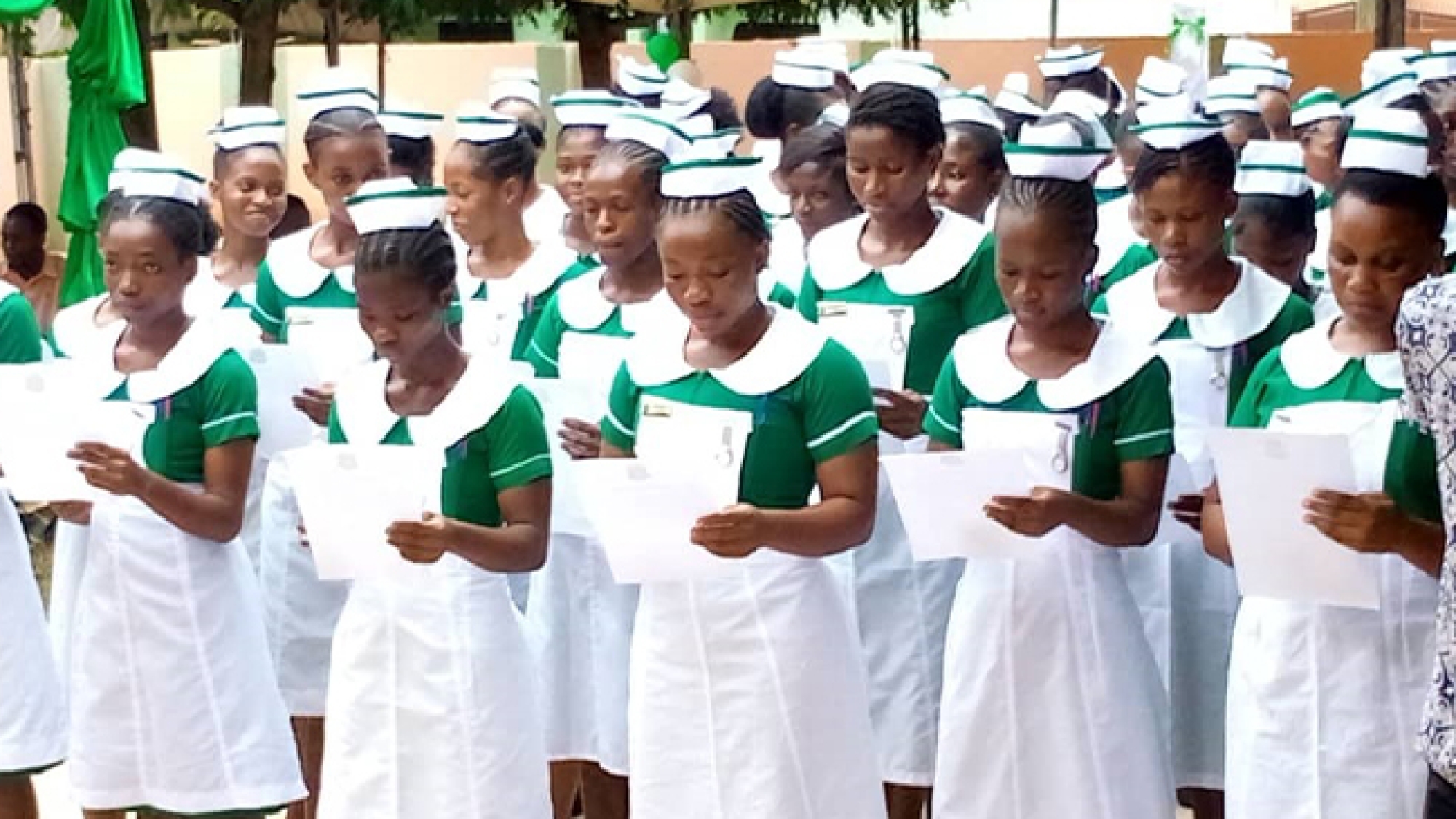
Apostle Eric Nyamekye, Chairman of The Church, encouraged the nurses and staff, to keep doing their best for the Lord in service to mankind.

“Life can be meaningful to all of you, depending on how you live or make it. Don’t waste it,” he iterated.

He further urged them to build their lives in Christ and continue to pray about their future as young people, and added: “God bless you for your sacrifices to The Church of Pentecost”.

He assured the clinic of a continuous support from the church, in terms of more equipment to facilitate health service provision in the community.

He prayed and committed the staff of the clinic into the hands of God.

Present were Pastor David Nii Addo-Pappoe (Twifo Praso Area Head, The Church of Pentecost), Mrs. Mary Nyamekye (Wife of Chairman, The Church of Pentecost), Mrs. Faustina Addo-Pappoe (Wife of Twifo Praso Area Head, CoP), Beatrice Amoakoa (Nurse Manager, Twifo Agona Pentecost Community Clinic), Pastor Sampson K. Gavor-Dzefe (Twifo Agona District Minister), Pastor George Mpoamoh Yenabi (Twifo Wamaso District Minister), some of Twifo Praso Area Pastorate.

Twifo Praso Pentecost Community Clinic, is a member of the Christian Health Association of Ghana (CHAG), National Health Insurance Scheme (NHIS) Accredited, Baby friendly, and a 24-hour Health Provider.

Some of the services provided there are: General Medicine, Outpatient Service, Inpatient Service, Laboratory Service, Counselling Service, Pharmaceutical Service, Maternity Service, Ultrasound Scan Service, Adolescent Health Service, Reproductive and Child Health (RCH) Service; Public Health, Mental Health, and Eye Clinic Service.

PENTECOST NEWS