
The story of the early church is a powerful testimony of transformation, unity, and divine empowerment through the Holy Spirit. The Pentecost experience recorded in Acts 2 was not merely a historical event for the apostles alone; it became the foundation and pattern for Spirit-filled Christian living. On that remarkable day, believers gathered in prayer and expectation, and the Holy Spirit descended upon them with power. Their lives were transformed, fear gave way to boldness, and ordinary men and women became effective witnesses of Jesus Christ. The result was rapid church growth, spiritual awakening, and the spread of the gospel across nations.
The experience of the church at Antioch in Acts 13:1-4 further demonstrates that Pentecost was not intended to be a one-time occurrence. The Antioch church became an example of believers who continually lived under the influence and direction of the Holy Spirit. Scripture tells us that the church had spiritually mature leaders, including Barnabas, Simeon called Niger, Lucius of Cyrene, Manaen, and Saul. These men devoted themselves to worship, prayer, fasting, and ministry unto the Lord. It was during this atmosphere of spiritual dedication that the Holy Spirit spoke clearly, instructing the church to set apart Barnabas and Saul for missionary work.
What is striking about this account is that the church did not act based on human strategy or personal ambition. Their decisions flowed from prayer, fasting, and sensitivity to the leading of the Holy Spirit. After hearing the Spirit’s instruction, the believers continued in fasting and prayer, laid hands on Barnabas and Saul, and sent them out in the power of God. This reveals that the church which desires to relive Pentecost must be a church fully surrendered to God through spiritual discipline and dependence on the Holy Spirit.
The purpose of prayer and fasting is not merely religious observance but spiritual alignment with God. These disciplines help believers deny the flesh, remove distractions, and focus their hearts on seeking the face of God. Throughout Scripture, fasting is associated with revelation, renewal, breakthrough, and divine empowerment. Moses fasted for forty days while receiving the law on Mount Sinai (Exodus 34:28). Daniel fasted as he sought wisdom and understanding from God (Daniel 9:3). Jesus Himself fasted and prayed for forty days before beginning His earthly ministry, and He returned from the wilderness in the power of the Spirit (Luke 4:1-14).
The Antioch church teaches believers today that fasting is more than abstaining from food; it is creating room for deeper communion with God. In moments of prayer and fasting, spiritual sensitivity increases, and believers become more attentive to the voice of the Holy Spirit. While the church in Antioch ministered to the Lord and fasted, the Spirit spoke clearly concerning the next phase of ministry. Their experience reminds the modern church that divine direction is often received in atmospheres of consecration and prayer.
Prayer and fasting also produce spiritual transformation in the lives of believers. They expose hidden motives, cleanse the heart, and allow the Holy Spirit to perform the work of sanctification. David prayed in Psalm 51:10, “Create in me a clean heart, O God,” revealing the inner cleansing that God desires to accomplish in His people. Joel 2:12-13 also calls believers to return to God with fasting, weeping, and repentance. Genuine spiritual renewal begins when hearts are humbled before God.
Furthermore, these spiritual disciplines produce boldness and unity within the church. After Pentecost, the disciples again gathered in prayer when faced with persecution, asking God for boldness to continue preaching the gospel. Acts 4:29-31 records that after they prayed, they were filled afresh with the Holy Spirit and spoke the word of God boldly. Likewise, Acts 1:14 highlights the unity of the early believers as they continued together in prayer and supplication while waiting for the promise of the Holy Spirit. Prayer unites believers around God’s purpose and breaks barriers that divide the church.
To relive Pentecost today is to maintain a continual hunger for the presence and fullness of the Holy Spirit. Jesus declared in Acts 1:8 that believers would receive power when the Holy Spirit came upon them and that they would become His witnesses throughout the earth. This promise was not limited to the early church; it remains available to every generation of believers. Churches and individuals who prioritise prayer and fasting position themselves for revival, spiritual renewal, greater effectiveness in ministry, and deeper intimacy with God.
The Bible consistently emphasises the importance of these disciplines. Joel prophesied that God would pour out His Spirit upon all people (Joel 2:28-29), and this promise was fulfilled on the Day of Pentecost. Jesus also taught that fasting should be done sincerely before God and not for public recognition (Matthew 6:16-18). Isaiah 58:6-11 reveals the blessings associated with true fasting, including healing, restoration, answered prayer, and divine favour. God responds to humble hearts that genuinely seek Him.
The church that seeks to relive Pentecost must therefore become a praying and fasting church. This was the secret behind the spiritual vitality and effectiveness of the Antioch church, and it remains the key for believers today. When the modern church takes time to seek God with sincerity, humility, and spiritual intensity, she can once again experience the fire, power, and transformation that characterised the early believers.
Through prayer and fasting, believers position themselves to hear God’s voice, receive divine empowerment, and fulfil God’s mission in the world. May the church today rise as a people set apart unto God, continually reliving the Pentecost experience with renewed strength, fresh vision, and unwavering passion for the advancement of God’s kingdom.
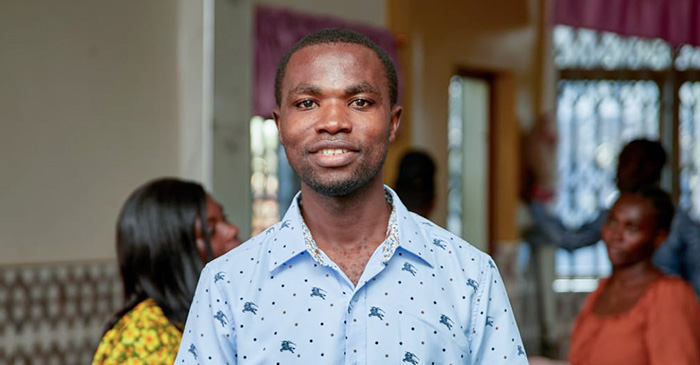
Written by Deacon Douglas Opoku (Bompata English Assembly)