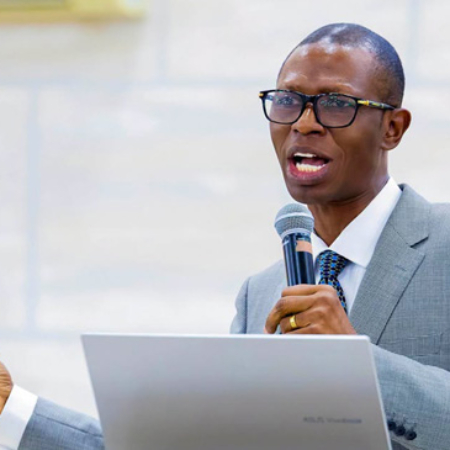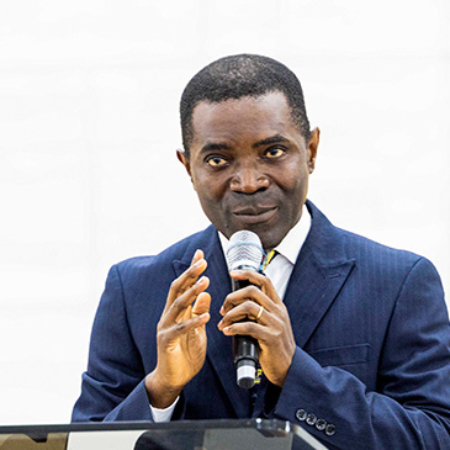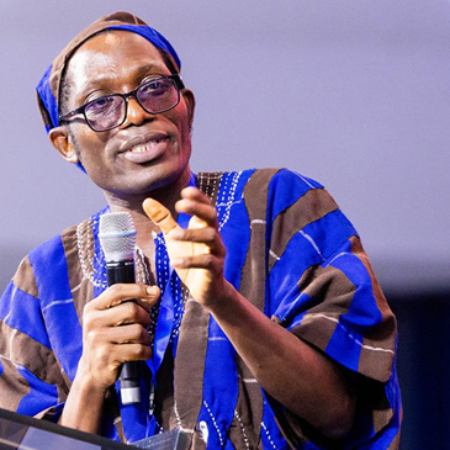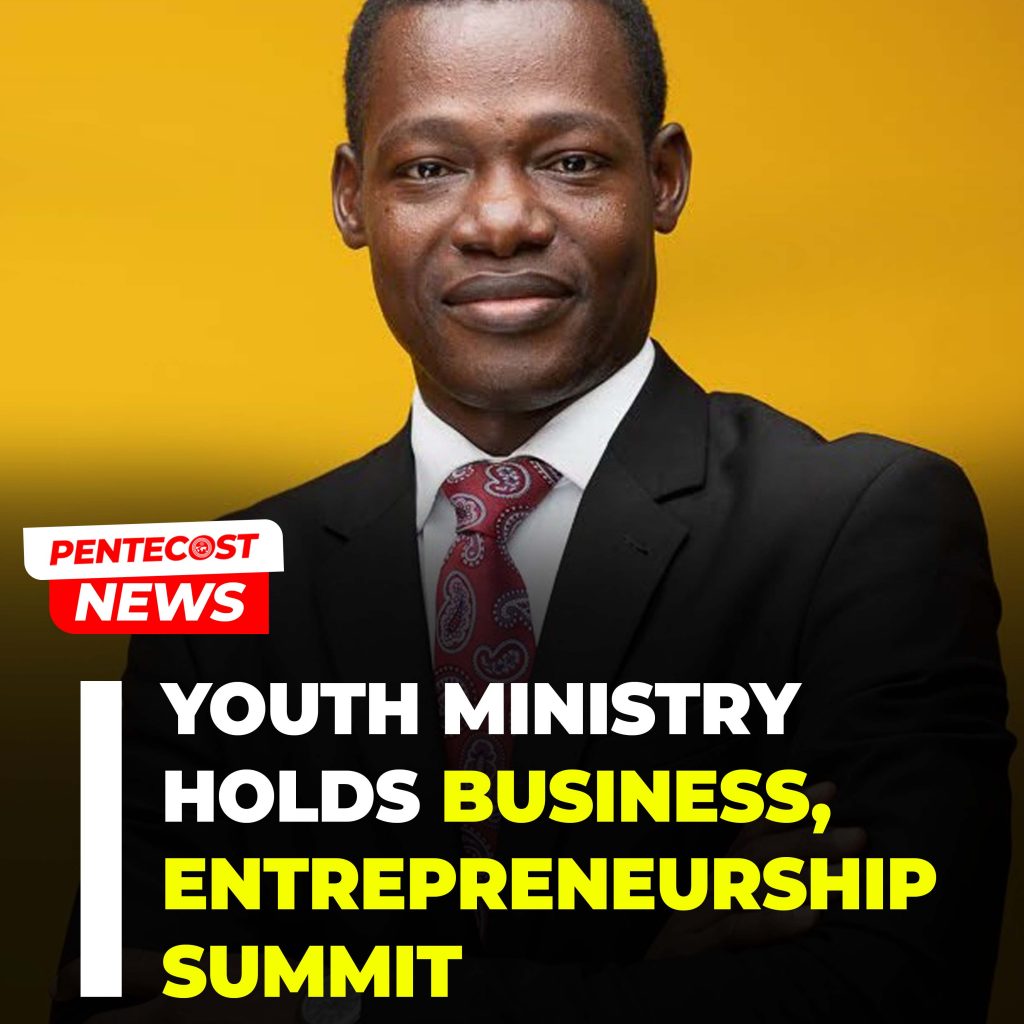


The head of the Centre for Ministerial Formation and Training at the Pentecost School of Theology and Mission at the Pentecost University, Apostle Professor Christian Tsekpoe has called on the Church to deliberately create opportunities for interaction among generations if it is to preserve and transmit the Christian faith to future generations.
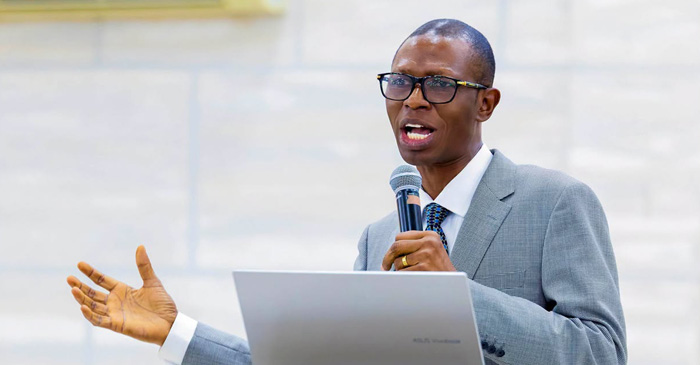
Delivering a presentation on “Strategies for Reaching the Ends of the Age” during the 2026 Orientation Course for newly called missionaries and ministers completing their ministerial formation at the Pentecost Convention Centre (PCC), Gomoa Fetteh, Apostle Prof. Christian Tsekpoe emphasised that sustaining the Church until Christ’s return requires intentional intergenerational discipleship rather than assuming the faith will naturally be passed on.
Drawing from several biblical passages, he explained that God is a “generational God,” whose covenant and redemptive plan extend from one generation to another. He noted that Scripture repeatedly highlights God’s concern for successive generations, making it imperative for today’s Church to intentionally prepare the next generation of believers.
Referring to Judges 2, Apostle Prof. Tsekpoe warned that after Joshua’s generation passed away, another generation arose that neither knew the Lord nor His mighty works because the faith had not been effectively transmitted. He observed that history shows Christianity has shifted from Jerusalem to the Graeco-Roman world, Western Europe and North America, demonstrating that sustaining the Church is never automatic. “God is counting on us,” he stressed.
According to him, the Church’s mission is not only to reach the ends of the earth geographically but also “the very end of the age” by intentionally discipling succeeding generations. He described this as an often-overlooked dimension of the Great Commission.
To achieve this, Apostle Prof. Tsekpoe advocated an intergenerational mission approach that deliberately creates opportunities for children, youth, adults and the elderly to interact, worship and serve together so that the Christian faith can be transmitted in culturally relevant ways.
He encouraged churches to involve young people actively in Bible reading, testimonies, worship leadership, music, ushering, prayer and even preaching where appropriate, stressing that children and young people are “the Church of today, not merely of tomorrow.”
Apostle Prof. Tsekpoe further urged church leaders to understand the language and culture of younger generations, noting that today’s youth are globally connected and communicate differently. While maintaining biblical truth, he said, the Church must contextualise its message in ways that remain faithful to Scripture while speaking meaningfully to emerging generations. He cited Reverend James McKeown’s ministry as an example of balancing biblical doctrine with local culture.
He concluded by calling for intentional interaction between generations, warning that without it, different age groups could exist in the same congregation while living in “different worlds.” He urged the Church to maintain a responsible balance between biblical doctrine, Christian tradition, local cultures and global influences to remain relevant without compromising its message.
PENT NEWS.