

Written by Elder Evans Nyakotey, C.O.P – Poland
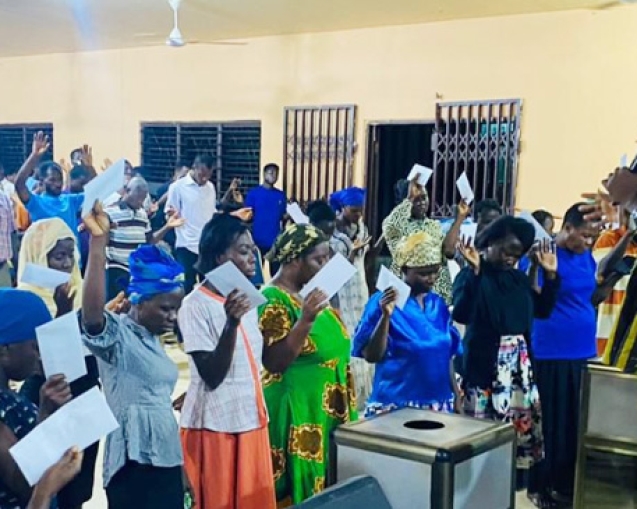
In West Africa, Christianity is woven into daily life. Churches rise across towns and cities like steadfast baobab trees, and Sunday mornings are filled with vibrant worship, singing, and prayer. To be African and unchurched is the rare exception.
Yet for many who migrate to Europe, North America, or elsewhere, the spiritual landscape shifts dramatically. Streets are quiet on Sundays, cathedrals resemble museums, and the cultural urgency to worship fades. In these contexts, faith is no longer assumed; it is optional. For many migrants, this is a profound spiritual test.
Before migration, African Christians often navigate two streams of faith. The first is transactional: prayer and devotion respond to immediate needs – healing, protection, provision. Full pews reflect real-life pressures. The second is covenantal: a faith anchored in God Himself, not in circumstances. These believers serve and trust God regardless of personal gain.
Migration functions as a refiner’s fire. For transactional believers, the safety, stability, and provision of the West can diminish urgency. One Ghanaian nurse in Canada confessed, “Back home I prayed every day because I was afraid of dying. Here, I only remember God when I miss waakye.” Many discover their faith depends more on circumstance than conviction. Church attendance drops, and future generations risk becoming “cultural Christians.”
For covenantal believers, however, migration can deepen faith. Deprived of crowds and cultural expectation, they cultivate personal devotion. Prayer and fasting become intimate, daily disciplines. Faith, once sustained by community, is now carried by conviction. Migration does not change God – it reveals the true state of the believer’s heart. African churches and migrants alike are challenged: will faith survive prosperity, safety, and secularism, or will it deepen into covenantal commitment?