
Righteousness Exalts A Nation web

Righteousness Exalts A Nation

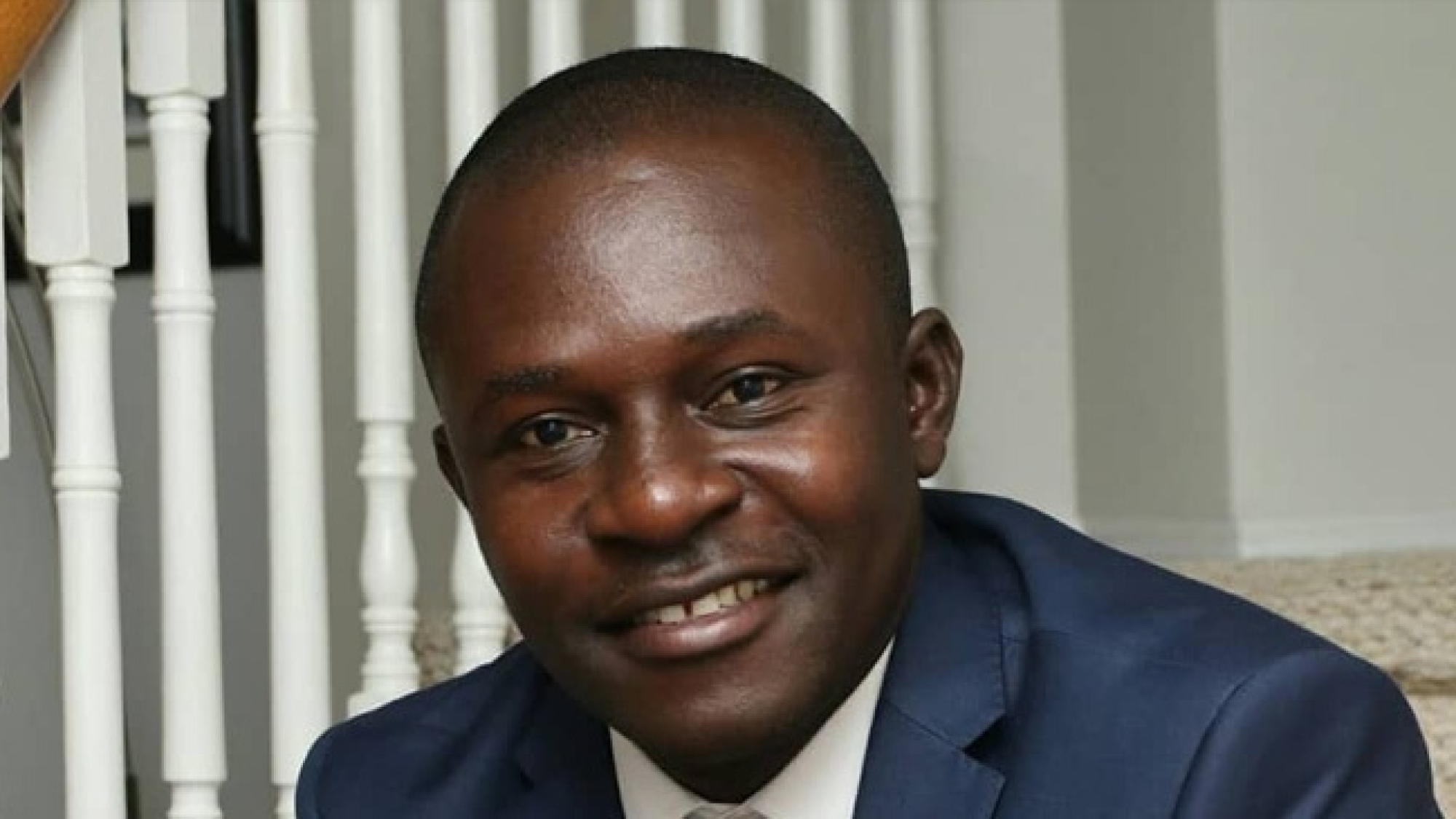
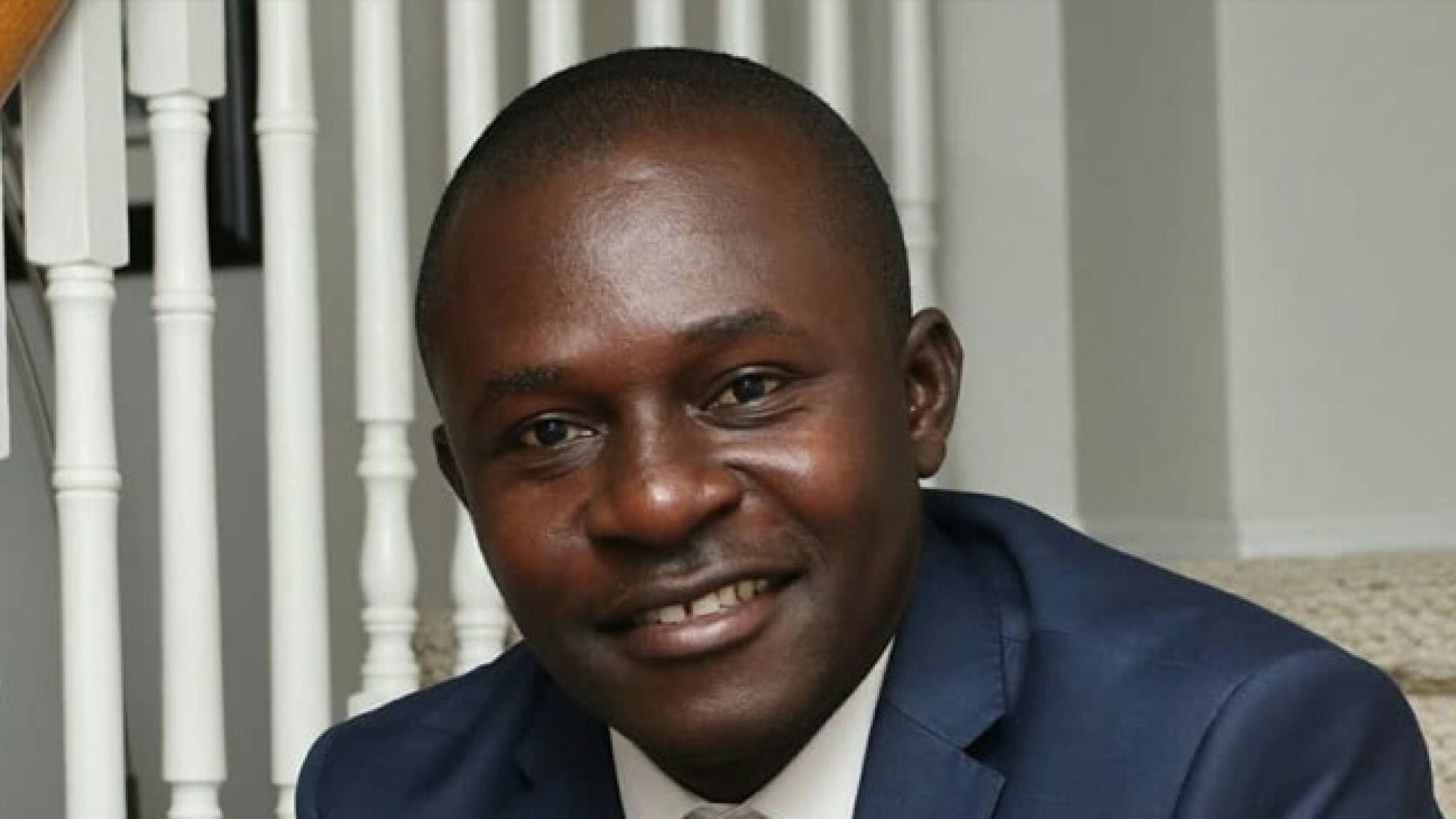
Written by Mortu Aaron, Research Head, Professionals Guild PENSA–KNUST

“Righteousness exalts a nation, but sin is a reproach to any people.” – Proverbs 14:34

Ghana is undeniably a deeply religious nation. According to the 2021 Population and Housing Census by the Ghana Statistical Service, about 95% of Ghanaians adhere to one religion or another, with Christians forming 71.3%, Muslims 19.9%, and followers of Traditional and other religions 3.5%. Yet, despite this strong religious belief, the nation continues to grapple with immorality, corruption, injustice, and social decay. This truth is clear: religion alone cannot exalt a nation; righteousness does.

Righteousness is defined by moral integrity, honesty, justice, faithfulness, purity, and civic responsibility. A nation is truly advanced not by religious affiliation, but by citizens who live uprightly and serve with integrity. Proverbs 20:7 reminds us, “The righteous man walks in his integrity,” highlighting the timeless value of godly conduct in every sphere of life.

Biblical examples abound. Joseph in Egypt, Daniel in Babylon, and Solomon in Israel rose to prominence because of their unwavering commitment to righteousness. God Himself attested to the blameless lives of Daniel, Noah, and Job, showing that moral integrity secures divine favour even in corrupt environments (Ezekiel 14:14). Their lives remind us that righteousness may not always be popular, but it is always powerful.

Today, as engineers, teachers, bankers, ministers, or farmers, young professionals are called to live visibly godly lives, demonstrating Kingdom principles in thought, word, and action. Jesus must be exalted not just in speech but through character, influence, and service. As Matthew 5:13–14 declares, we are the salt and light of the world; our righteousness is the illumination that transforms society.

The mandate is clear: through righteous living, Christ-like service, and godly leadership, Ghana can be exalted. “Blessed is the nation whose God is the Lord” (Psalm 33:12). The hour is now. The call is ours.

Strengthening Feeble Hands A Call To Resilient Christian Leadership web

Strengthening Feeble Hands: A Call To Resilient Christian Leadership

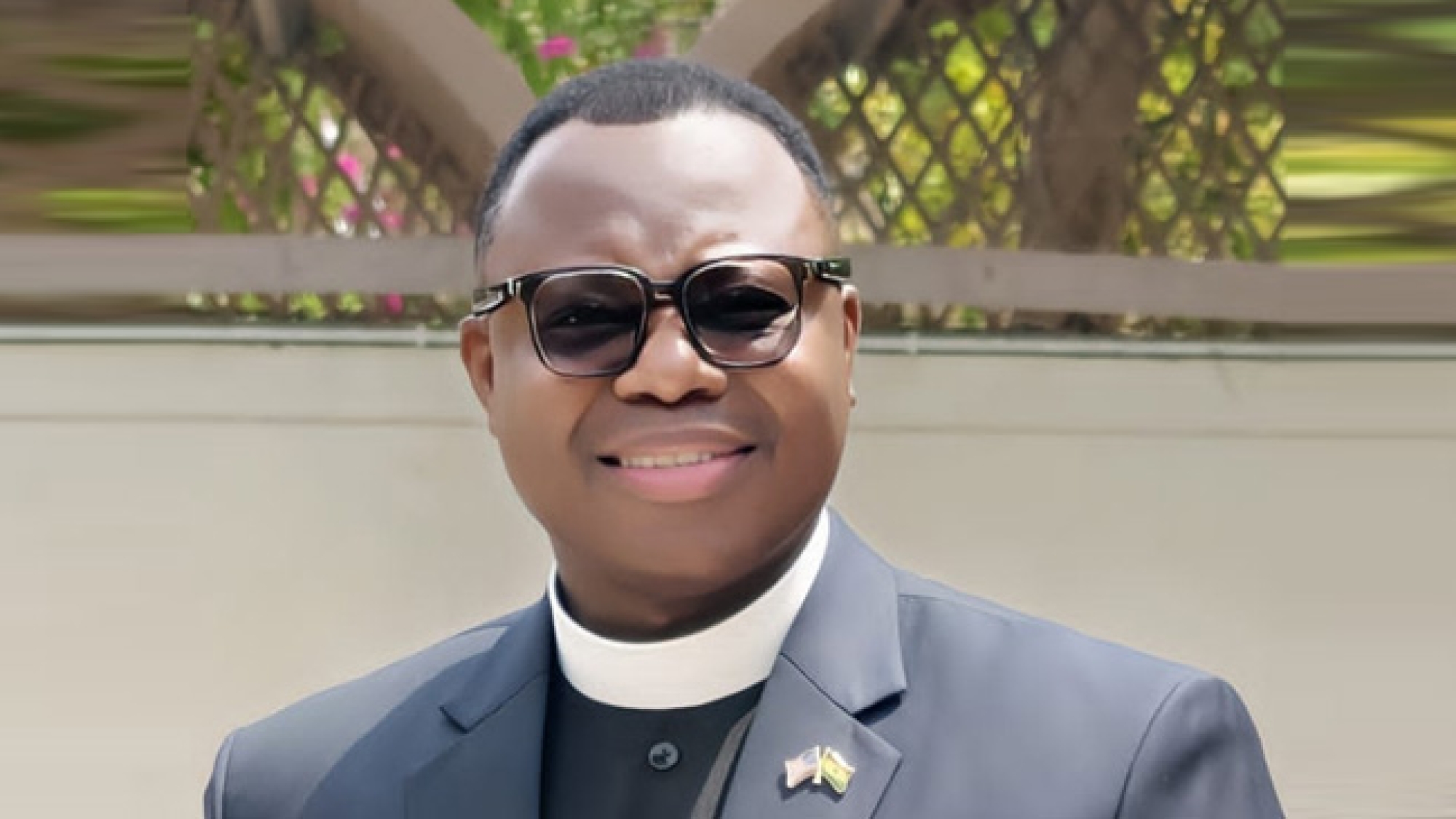
Written by Pastor Edward Asamoah Antwi, District Minister, Ekroful District

Drawing from Hebrews 12:12 and Isaiah 35:3–4, the call to “strengthen your feeble arms and weak knees” is both timely and instructive for Christian leaders. Using physical weakness as a metaphor for spiritual decline, Scripture urges believers – especially leaders – to renew their strength in the Lord and pursue holiness with perseverance. The broader exhortation in Hebrews encourages believers to make straight paths for their feet so that the weak are not further injured but restored, highlighting leadership’s responsibility to guide, heal and inspire.

The writer of Hebrews echoes Isaiah’s prophetic charge to strengthen weak hands and steady trembling knees while encouraging fearful hearts to be strong and unafraid, anchored in God’s promise of salvation. Together, these passages affirm that divine strength is made available in seasons of difficulty, and leaders must actively appropriate it, not only for themselves but for those they serve.

Leadership in today’s context has become increasingly demanding. Social pressures, moral challenges, economic hardship and spiritual distractions have made the task tougher. Yet these realities should not discourage leaders; rather, they call for renewed spiritual fortitude. A leader weakened by sin, discouragement, disengagement or declining devotion cannot effectively build a strong and vibrant church. As leadership weakens, the church’s commitment to prayer, soul winning, holiness, faithful stewardship and revival inevitably suffers.

Renowned leadership thinker John C. Maxwell’s assertion that “everything rises and falls on leadership” rings true in the life of the Church. Strong, Spirit-filled leadership is essential to building a glorious Church capable of possessing the nations. Leaders are therefore encouraged to strengthen themselves through prayer and fasting, devotion to God’s Word, holy living, mutual love and encouragement, healthy family life, and a renewed focus on eternal reward. In an age marked by lukewarmness and distraction, leaders must guard their salvation diligently. As Scripture reminds us in 1 Corinthians 15:58, steadfast and immovable service in the Lord is never in vain, for God faithfully rewards wholehearted devotion.

Transforming My World With The Life Of Purity web

Transforming My World With The Life Of Purity

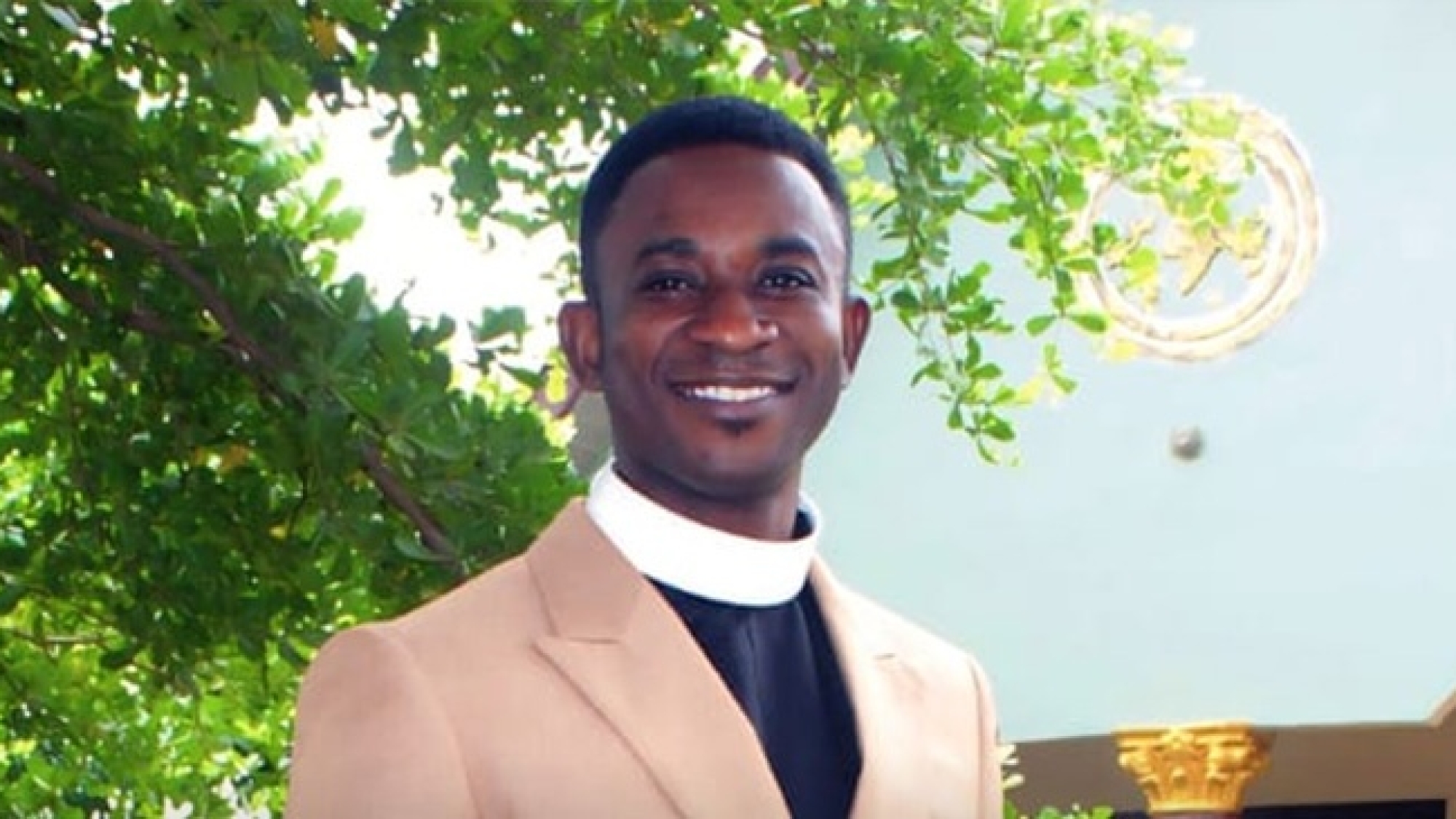
Written by Deacon Dickson Akweh, Agormanya Area, Kpong District

Beloved brothers and sisters, young and old, God calls each of us to live lives of purity. Purity is not simply avoiding sin; it is a deliberate, daily choice to honor God in thought, word, and action. Jesus said, “Blessed are the pure in heart, for they shall see God” (Matthew 5:8). When we pursue purity, God’s presence flows through us, and our lives become a transforming influence on our families, communities, and the world around us.

Purity begins in the heart. Proverbs 4:23 instructs, “Above all else, guard your heart, for everything you do flows from it.” Every thought we entertain, every word we speak, and every decision we make flows from the condition of our hearts. Young people, you have the power to set examples among your peers. Let your lives reflect integrity, honesty, and respect. Older believers, your godly wisdom and steadfastness can mentor younger generations, showing them the blessings of a life fully committed to God. Every generation has a role to play in upholding holiness and ensuring the gospel thrives in the community.

A life of purity requires discipline, intentionality, and vigilance. Avoid habits, media, and relationships that defile the mind and spirit. Instead, fill your days with prayer, worship, scripture study, and service. Seek accountability, practice honesty, and walk in obedience to God. Romans 12:1–2 calls us to present our bodies as living sacrifices and to allow God to transform our minds. Purity is not about achieving perfection; it is about consistently choosing God’s ways over the world’s ways and resisting compromise in every area of life.

Purity has far-reaching power. It transforms not only individuals but also society. When believers live with integrity, self-control, and love, they inspire trust, bring peace, and attract others to Christ. Families are strengthened, communities are blessed, and workplaces and schools become platforms for godly influence. A life of purity becomes a visible testimony that glorifies God and draws others toward His kingdom. It shapes culture, influences peers, and creates a ripple effect that can impact generations.

Living in purity also equips us for spiritual effectiveness. God uses pure hearts to accomplish His purposes. Prayer becomes powerful, service becomes impactful, and ministry flows with supernatural favor. Those who live holy lives inspire courage in others, strengthen the church, and build hope in broken places. Purity is a weapon against darkness and a magnet for divine blessings.

Church, let us rise as a people committed to holiness. Let our words speak truth, our actions reflect love, and our hearts remain undefiled. Every believer has the responsibility and privilege to transform their world. By choosing purity, we release God’s power in our lives, becoming catalysts for righteousness and light. Let us embrace this calling today, boldly and unwaveringly, and together transform our homes, our communities, and our nations for His glory. Let purity define us, guide us, and empower us to be the change the world desperately needs.

From Crowded Churches To Quiet Streets Migration Challenges African Christians’ Faith web

From Crowded Churches To Quiet Streets: Migration Challenges African Christians’ Faith

Written by Elder Evans Nyakotey, C.O.P – Poland

In West Africa, Christianity is woven into daily life. Churches rise across towns and cities like steadfast baobab trees, and Sunday mornings are filled with vibrant worship, singing, and prayer. To be African and unchurched is the rare exception.

Yet for many who migrate to Europe, North America, or elsewhere, the spiritual landscape shifts dramatically. Streets are quiet on Sundays, cathedrals resemble museums, and the cultural urgency to worship fades. In these contexts, faith is no longer assumed; it is optional. For many migrants, this is a profound spiritual test.

Before migration, African Christians often navigate two streams of faith. The first is transactional: prayer and devotion respond to immediate needs – healing, protection, provision. Full pews reflect real-life pressures. The second is covenantal: a faith anchored in God Himself, not in circumstances. These believers serve and trust God regardless of personal gain.

Migration functions as a refiner’s fire. For transactional believers, the safety, stability, and provision of the West can diminish urgency. One Ghanaian nurse in Canada confessed, “Back home I prayed every day because I was afraid of dying. Here, I only remember God when I miss waakye.” Many discover their faith depends more on circumstance than conviction. Church attendance drops, and future generations risk becoming “cultural Christians.”

For covenantal believers, however, migration can deepen faith. Deprived of crowds and cultural expectation, they cultivate personal devotion. Prayer and fasting become intimate, daily disciplines. Faith, once sustained by community, is now carried by conviction. Migration does not change God – it reveals the true state of the believer’s heart. African churches and migrants alike are challenged: will faith survive prosperity, safety, and secularism, or will it deepen into covenantal commitment?
When Life Seems Messy, God Is Still Speaking web.jpg

When Life Seems Messy, God Is Still Speaking

Life often places us in moments of confusion where plans collapse, and the way forward seems uncertain. In such seasons, it is easy to see only chaos and disappointment. Yet, what appears to be a mess may in fact be a message – one carefully designed by God to redirect, reshape, and prepare us for greater purpose. Scripture reminds believers not to be alarmed by trials but to rejoice, knowing that suffering refines faith and reveals God’s glory in due time.

Many of life’s setbacks are not interruptions but divine instructions. God has a unique way of turning apparent failures into foundations for future breakthroughs. What feels like rejection may be divine redirection, and what looks like an ending may simply be a pause before a greater beginning. Though storms may delay our journey, they cannot cancel God’s destination for our lives.

Biblical history affirms this truth. Moses’ years in the wilderness were not wasted; they prepared him to lead a nation. David’s long wait after being anointed king shaped his heart and character. These experiences reveal that God often works most powerfully in hidden seasons, using discomfort to produce maturity. While not every interruption is divine, every divine interruption carries a purpose aligned with God’s will.

Setbacks often serve as seasons of redirection, resilience, and revelation. They help realign our steps, strengthen our character, and deepen our understanding of God’s plans. In moments of delay, God equips us with skills, relationships, and faith necessary for the next level of our journey. Waiting seasons, though challenging, are opportunities for growth rather than periods of stagnation.

Believers are therefore encouraged not to curse difficult seasons but to discern God’s voice within them. The darkest moments often precede new beginnings, and breakthroughs may be closer than they appear. Maintaining faith and a positive spiritual outlook in trying times positions us to receive all that God has prepared. In every mess, God is speaking – calling His people to trust Him and move forward with hope.

Written by Derrick Decency Antwi (Atebubu Area – Jato Zongo District)

Marital Proposal web.jpg

Marital Proposal: Guidance For Singles On Readiness And Responsibility

Marriage is a sacred covenant that requires more than feelings or emotions; it demands maturity, preparation, and understanding. For singles, it is crucial to know what a marital proposal truly entails to make wise decisions that impact their future. A marital proposal is not merely saying “I love you” and receiving a response. Feelings alone cannot guarantee compatibility, responsibility, or readiness for lifelong commitment.

Before proposing, one must know themselves fully – their personality, temperament, likes, dislikes, fertility status, and even physical and emotional readiness. Self-awareness illuminates the path to understanding others, helping singles identify partners who are compatible for marriage. Equally important is knowing how friendship works. Healthy marriages often grow from strong friendships where partners respect, accept, and relate to one another meaningfully. Dating, in this context, is a period of friendship and understanding, not the stage for proposals. It is a time to discern whether a partner’s values, habits, and lifestyle align with your own.

A proper marital proposal is a statement made by a person ready for marriage, usually a man to a woman, indicating emotional, physical, mental, and economic preparedness. It is guided by Scripture, such as Matthew 19:11, which reminds singles that not everyone is ready for marriage; maturity and grace are essential. A proposal must be time-bound, with clear intentions regarding the expected timeline of marriage, and guided by trusted stakeholders like parents or church leaders to ensure accountability and security.

Proposing without readiness can have lasting consequences. Unplanned or immature proposals may lead to confusion, regret, or emotional pain, even after formal wedding ceremonies. Weddings celebrate a union already initiated at the point of proposal; when the heart is unprepared, marriage struggles often follow. Singles are therefore encouraged to seek forgiveness, pray for guidance, and allow God to mature their love before proposing or accepting a proposal.

In conclusion, singles must know themselves, understand their prospective partner, and propose only when ready—emotionally, spiritually, and materially. Doing so ensures marriage begins on a foundation of wisdom, love, and preparedness, avoiding unnecessary heartache and fostering a lifelong covenant.

Written by Elder Tonnie Baffoe, Area SOM Coordinator – Agona Swedru Area

Leveraging Migration For The Re-Evangelisation Of Europe And North America web

Leveraging Migration For The Re-Evangelisation Of Europe And North America

The religious landscape of Europe and North America is undergoing a profound transformation shaped by accelerating secularisation and unprecedented global migration. While some observers fear that the Global North may lose its historic Christian foundations – drawing parallels with the gradual transformation of Anatolia – emerging evidence suggests a more hopeful narrative. Migration is not only reshaping societies; it is revitalising Christianity in regions once considered its heartlands.

For the first time in history, the majority of the world’s Christians now reside in the Global South, with Sub-Saharan Africa accounting for over 30 per cent of the global Christian population, according to Pew Research Center. In contrast, Europe and North America are experiencing widespread Christian disaffiliation, as the religiously unaffiliated become the fastest-growing demographic group. This dual reality has created a spiritual vacuum, intensified by the growth of religious pluralism, including expanding Muslim populations across Europe.

Yet this moment also presents a strategic missionary opportunity. Migration is transporting a vibrant, mission-oriented Christianity from the Global South into the cities of the North. Just as the early Church expanded through the movement of believers across the Roman world, contemporary migrant Christians are forming dynamic faith communities in some of the most secularised urban centres of the West.

Historical analysis confirms that large-scale religious change is possible, but scholars note that the current Western context is driven primarily by internal secular erosion rather than external religious replacement. Within this pluralistic environment, migrant churches – particularly African-led Pentecostal movements – are among the few Christian expressions recording sustained growth. Movements such as the Redeemed Christian Church of God and The Church of Pentecost have established thousands of congregations across Europe and North America, functioning both as diaspora fellowships and missionary bases reaching indigenous populations.

These churches often provide holistic spiritual, social, and economic support, offering an attractive alternative to the largely private religiosity common in secular societies. Strategically, this positions migrant Christianity as a key agent in the re-evangelisation of post-Christian cities such as London, Paris, and New York.

The implications for global missions are clear. Church leaders and mission units must move from observation to intentional strategy by equipping diaspora believers as cross-cultural missionaries, investing in strategic urban church planting, and fostering partnerships with historic Western denominations. Embracing this “from everywhere to everywhere” mission paradigm will enable the global Church to respond with clarity, confidence, and impact.

This demographic shift is not a crisis to fear but a providential moment to steward – one that holds promise for renewed Christian witness and transformation across the Global North.

Written by Dr Enoch Ofosu (Research Scientist, University of Waterloo, Canada)

Mediation And Diplomacy Paul’s Philemon Model For Lasting Peace web

Mediation And Diplomacy: Paul’s Philemon Model For Lasting Peace

Conflict is an inevitable reality of human interaction and not necessarily a sign of failure. Rather, it is a test of character and leadership, revealing the depth of wisdom, grace, and maturity within individuals and communities. In an era marked by church divisions, family breakdowns, and strained workplace relationships, the capacity to mediate conflict effectively has become a critical leadership skill. The brief but profound Book of Philemon offers a timeless, gospel-shaped framework for peacebuilding that remains strikingly relevant today.

The conflict addressed by the Apostle Paul was neither minor nor abstract. It involved Philemon, a respected church leader, and Onesimus, his runaway slave who had likely caused material loss. Under Roman law, Onesimus faced severe punishment, even death. The situation was charged with legal, social, and moral implications, underscored by a deep imbalance of power. Yet, Paul’s intervention demonstrates that true mediation is not about asserting authority, but about guiding hearts toward reconciliation.

Paul begins his appeal with affirmation rather than accusation. He commends Philemon for his love and faith, writing with gratitude and respect (Philemon 1:4–7). By doing so, he establishes rapport and reminds Philemon of his own capacity for goodness. This approach reflects a crucial leadership principle: effective mediation starts by seeing the person, not merely the problem.

He then reframes the conflict entirely, urging Philemon to receive Onesimus “no longer as a slave, but better than a slave, as a dear brother” (Philemon 1:16). In redefining their relationship, Paul lifts the issue from the realm of punishment to that of shared identity in Christ. This shift from grievance to gospel-centered values remains a vital strategy for resolving modern disputes.

Importantly, Paul does not downplay the offense. He acknowledges the wrong and boldly offers, “If he has done you any wrong or owes you anything, charge it to me” (Philemon 1:18). By volunteering to absorb the cost, Paul models sacrificial leadership, demonstrating that reconciliation often requires personal investment and impartiality.

Finally, Paul empowers a voluntary response. He expresses confidence that Philemon will “do even more than I ask” (Philemon 1:21), choosing persuasion over coercion. This preserves dignity, fosters ownership, and encourages lasting reconciliation.

In contrast to contemporary mediation failures marked by favoritism, authoritarianism, or hollow platitudes, Paul’s approach mirrors the heart of the gospel itself. It acknowledges debt, offers substitution, and opens the door to restored relationships. For pastors, parents, and leaders at every level, this ancient letter remains a practical guide, calling us to transform conflict into an opportunity for grace, healing, and enduring peace.

Written by Dr Enoch Ofosu (Research Scientist University of Waterloo, Canada)

The Holy Spirit An Embodiment Of Signs And Wonders web

The Holy Spirit An Embodiment Of Signs And Wonders

Luke 1:35 captures one of the most profound manifestations of divine power recorded in Scripture – the virgin birth of Jesus Christ. In responding to Mary, the angel declared, “The Holy Spirit will come upon you, and the power of the Most High will overshadow you; therefore also, that Holy One who is to be born will be called the Son of God.” This moment stands as a defining testimony that the miraculous is neither produced by human effort nor explained by natural processes but accomplished solely by the operation of the Holy Spirit.

The virgin birth reveals the Holy Spirit as the divine Agent of signs and wonders. Mary did not ask for the miracle, nor did she possess the ability to bring it to pass. God Himself initiated the process. This underscores a central truth of the Christian faith: signs and wonders are acts of God, not achievements of man. Whenever the Holy Spirit takes the lead, human limitations are suspended and the impossible becomes reality.

The angel’s words, “The Holy Spirit will come upon you,” point to divine initiation as the foundation of supernatural acts. The overshadowing of Mary resulted in a miracle beyond scientific explanation and human comprehension. It was not symbolic but literal power at work, demonstrating that when the Spirit moves, natural order gives way to divine purpose.

Throughout Scripture, the Holy Spirit is consistently revealed as active and powerful. At creation, He moved upon the face of the waters to bring order and life (Genesis 1:2). During Jesus’ earthly ministry, the Spirit empowered Him to preach, heal, and deliver the oppressed (Luke 4:18). In the early Church, it was the Spirit who enabled believers to witness boldly and advance the gospel with power (Acts 1:8). In every generation, where the Holy Spirit is present, divine evidence follows.

The Holy Spirit remains the embodiment of signs and wonders today. He confirms God’s Word, reveals God’s power, and transforms lives from within. Christianity without the Holy Spirit is reduced to form and ritual, but with Him, the Church becomes a living force of transformation. As believers yield to the Spirit, signs and wonders continue to glorify Jesus Christ and draw many to salvation.

Written by Pastor Peter Darlinting Kwaku Abdullai, Missionary to Lebanon

Transforming The Hearts Of Men Through The Power Of The Gospel web

Transforming The Hearts Of Men Through The Power Of The Gospel

In line with the 2026 theme of The Church of Pentecost, “A Church Unleashed to Transform Their Society Through the Gospel and the Power of the Holy Spirit,” the call to transform society begins with a clear understanding of the human heart as defined by Scripture. While anatomy teaches that the heart is the organ responsible for pumping blood throughout the body, the Bible presents the heart as the inner man – the human spirit – from which life truly flows.

Scripture reveals that corruption entered the world through humanity. Romans 5:12 affirms that sin came through one man, while Genesis 3:1–6 shows how the devil’s strategy was not merely to influence behaviour but to corrupt the heart. Before Satan’s deception, the heart of man was pure. However, through subtle manipulation, the heart was deceived, leading to separation from God. This explains why the enemy targeted the heart: God had given humanity dominion over the earth, and by corrupting the heart, the devil sought to rule the systems of the world through fallen men. As Jeremiah 17:9 declares, the heart is deceitful above all things and desperately sick.

The Scriptures further establish the heart as the source of human conduct. Proverbs 4:23 instructs believers to guard the heart diligently, for out of it spring the issues of life. Jesus also taught in Matthew 15:19 that evil thoughts and sinful actions proceed from the heart. Once the heart is corrupted, everything that flows from it reflects that corruption.

The critical question, therefore, is what can cleanse and restore the heart. If the heart were merely a physical organ, medical science could offer solutions. However, because the heart refers to the spirit of man, only the Word of God—the gospel—has the power to transform it. Hebrews 4:12 describes the Word as living and powerful, sharper than any two-edged sword, able to discern the thoughts and intents of the heart. Unlike a surgeon’s blade, the gospel penetrates the inner man to produce lasting change.

This truth was demonstrated in Acts 2:37, when Peter’s sermon pierced the hearts of his listeners, leading them to repentance. As Colossians 1:6 affirms, the gospel continues to bear fruit worldwide by changing lives from the inside out. True transformation does not begin with punishment or restraint but with an encounter with the Word.

In conclusion, only the gospel can genuinely transform lives and societies. When the heart is renewed, outward change becomes inevitable. This is the mandate before the Church – to preach the gospel everywhere, always, as agents of transformation, possessing the nations and transforming our world through the power of Christ.

Written by Elder Gideon Monney (Gomoa Eshiem District – Winneba Area)