
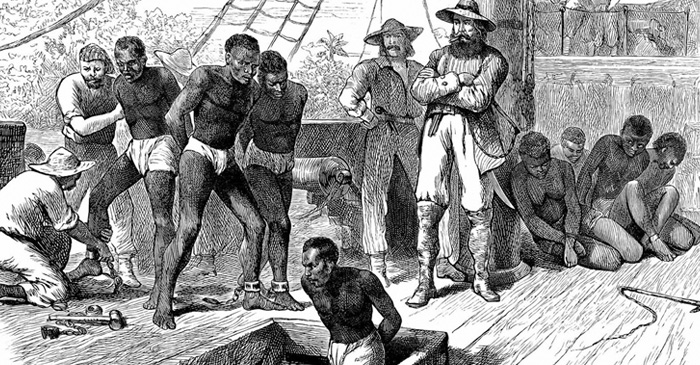
The United Nations General Assembly has in a historic move on March 25, 2026, adopted a Ghana-proposed resolution formally declaring the transatlantic slave trade the “gravest crime against humanity.”
The landmark resolution, led by Ghana and supported by a coalition of African and Caribbean nations, was passed with 123 votes in favour, 3 against, and 52 abstentions, reflecting broad international support while also highlighting ongoing divisions over how to address historical injustices.
The three countries that voted against the resolution were the United States, Israel, and Argentina.
The resolution acknowledges the centuries-long exploitation, forced displacement, and dehumanisation of millions of Africans, describing the transatlantic slave trade as one of the darkest chapters in human history. It further calls on member states to take concrete steps toward reparatory justice, including formal apologies, compensation, and the return of stolen cultural artefacts.
The move is being widely hailed as a significant step in the global push for historical accountability. Advocates argue that it shifts the conversation beyond acknowledgment to meaningful action aimed at addressing the enduring social and economic consequences of slavery.
Although the resolution is non-binding, its symbolic weight is expected to intensify global discourse around reparations and institutional responsibility. It also encourages countries to strengthen education on the transatlantic slave trade and preserve its historical memory for future generations.
The adoption of the resolution marks a major diplomatic milestone for Ghana and its allies, positioning Africa at the forefront of renewed international advocacy for justice and equity.
As the world reflects on this decision, attention now turns to how nations—particularly those with historical ties to the slave trade—will respond to the growing calls for accountability and redress.
PENT NEWS