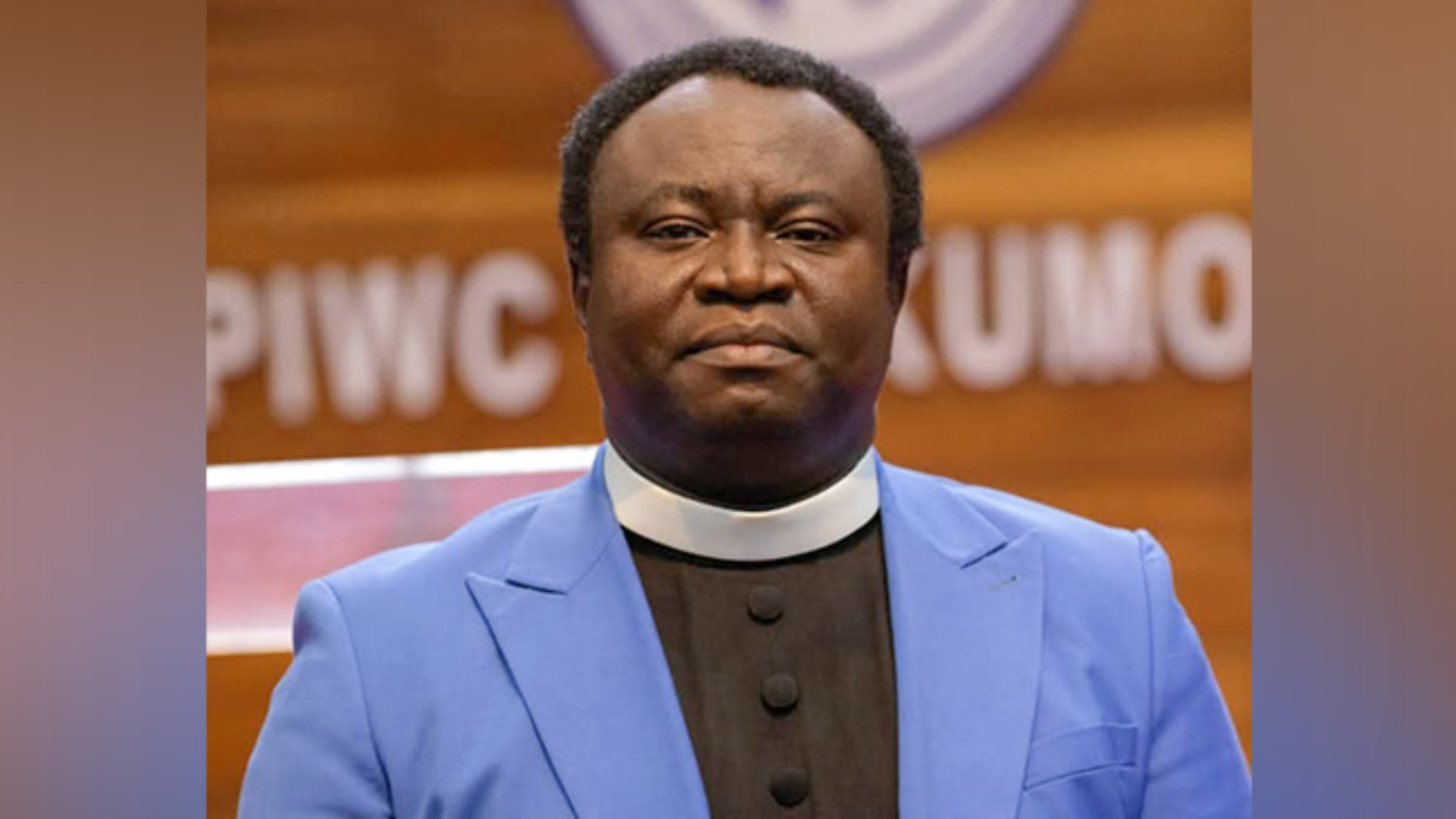

THE CHURCH SET APART TO RELIVE THE PENTECOST EXPERIENCE web.jpg

The Church Set Apart To Relive The Pentecost Experience

The story of the early church is a powerful testimony of transformation, unity, and divine empowerment through the Holy Spirit. The Pentecost experience recorded in Acts 2 was not merely a historical event for the apostles alone; it became the foundation and pattern for Spirit-filled Christian living. On that remarkable day, believers gathered in prayer and expectation, and the Holy Spirit descended upon them with power. Their lives were transformed, fear gave way to boldness, and ordinary men and women became effective witnesses of Jesus Christ. The result was rapid church growth, spiritual awakening, and the spread of the gospel across nations.

The experience of the church at Antioch in Acts 13:1-4 further demonstrates that Pentecost was not intended to be a one-time occurrence. The Antioch church became an example of believers who continually lived under the influence and direction of the Holy Spirit. Scripture tells us that the church had spiritually mature leaders, including Barnabas, Simeon called Niger, Lucius of Cyrene, Manaen, and Saul. These men devoted themselves to worship, prayer, fasting, and ministry unto the Lord. It was during this atmosphere of spiritual dedication that the Holy Spirit spoke clearly, instructing the church to set apart Barnabas and Saul for missionary work.

What is striking about this account is that the church did not act based on human strategy or personal ambition. Their decisions flowed from prayer, fasting, and sensitivity to the leading of the Holy Spirit. After hearing the Spirit’s instruction, the believers continued in fasting and prayer, laid hands on Barnabas and Saul, and sent them out in the power of God. This reveals that the church which desires to relive Pentecost must be a church fully surrendered to God through spiritual discipline and dependence on the Holy Spirit.

The purpose of prayer and fasting is not merely religious observance but spiritual alignment with God. These disciplines help believers deny the flesh, remove distractions, and focus their hearts on seeking the face of God. Throughout Scripture, fasting is associated with revelation, renewal, breakthrough, and divine empowerment. Moses fasted for forty days while receiving the law on Mount Sinai (Exodus 34:28). Daniel fasted as he sought wisdom and understanding from God (Daniel 9:3). Jesus Himself fasted and prayed for forty days before beginning His earthly ministry, and He returned from the wilderness in the power of the Spirit (Luke 4:1-14).

The Antioch church teaches believers today that fasting is more than abstaining from food; it is creating room for deeper communion with God. In moments of prayer and fasting, spiritual sensitivity increases, and believers become more attentive to the voice of the Holy Spirit. While the church in Antioch ministered to the Lord and fasted, the Spirit spoke clearly concerning the next phase of ministry. Their experience reminds the modern church that divine direction is often received in atmospheres of consecration and prayer.

Prayer and fasting also produce spiritual transformation in the lives of believers. They expose hidden motives, cleanse the heart, and allow the Holy Spirit to perform the work of sanctification. David prayed in Psalm 51:10, “Create in me a clean heart, O God,” revealing the inner cleansing that God desires to accomplish in His people. Joel 2:12-13 also calls believers to return to God with fasting, weeping, and repentance. Genuine spiritual renewal begins when hearts are humbled before God.

Furthermore, these spiritual disciplines produce boldness and unity within the church. After Pentecost, the disciples again gathered in prayer when faced with persecution, asking God for boldness to continue preaching the gospel. Acts 4:29-31 records that after they prayed, they were filled afresh with the Holy Spirit and spoke the word of God boldly. Likewise, Acts 1:14 highlights the unity of the early believers as they continued together in prayer and supplication while waiting for the promise of the Holy Spirit. Prayer unites believers around God’s purpose and breaks barriers that divide the church.

To relive Pentecost today is to maintain a continual hunger for the presence and fullness of the Holy Spirit. Jesus declared in Acts 1:8 that believers would receive power when the Holy Spirit came upon them and that they would become His witnesses throughout the earth. This promise was not limited to the early church; it remains available to every generation of believers. Churches and individuals who prioritise prayer and fasting position themselves for revival, spiritual renewal, greater effectiveness in ministry, and deeper intimacy with God.

The Bible consistently emphasises the importance of these disciplines. Joel prophesied that God would pour out His Spirit upon all people (Joel 2:28-29), and this promise was fulfilled on the Day of Pentecost. Jesus also taught that fasting should be done sincerely before God and not for public recognition (Matthew 6:16-18). Isaiah 58:6-11 reveals the blessings associated with true fasting, including healing, restoration, answered prayer, and divine favour. God responds to humble hearts that genuinely seek Him.

The church that seeks to relive Pentecost must therefore become a praying and fasting church. This was the secret behind the spiritual vitality and effectiveness of the Antioch church, and it remains the key for believers today. When the modern church takes time to seek God with sincerity, humility, and spiritual intensity, she can once again experience the fire, power, and transformation that characterised the early believers.

Through prayer and fasting, believers position themselves to hear God’s voice, receive divine empowerment, and fulfil God’s mission in the world. May the church today rise as a people set apart unto God, continually reliving the Pentecost experience with renewed strength, fresh vision, and unwavering passion for the advancement of God’s kingdom.

Written by Deacon Douglas Opoku (Bompata English Assembly)
DEFENDING ABSOLUTE TRUTH IN AN AGE OF RELATIVISM web.jpg

Defending Absolute Truth In An Age Of Relativism

In today’s rapidly changing world, the concept of truth has increasingly become a subject of debate. Society now leans heavily toward relativism – the belief that truth, morality, and values are determined by individual opinion, cultural preference, or personal feelings rather than by an unchanging standard. As a result, many people now argue that what is right for one person may not necessarily be right for another.

This growing mindset has gradually shifted society away from the pursuit of objective truth to the acceptance of subjective opinions. What was once universally recognised as morally wrong is now often defended as a personal choice or individual right. In many circles, truth is no longer viewed as something to be discovered but rather something to be created according to personal preference.

This cultural trend presents a serious challenge to the Christian faith. The Bible is increasingly dismissed, biblical values are often ridiculed, and genuine holiness is sometimes labelled as intolerance. Yet despite changing opinions and societal pressures, the truth of God remains constant and unchanging. The central question confronting believers today is whether the Church will surrender to the pressure of culture or remain firmly grounded in the eternal Word of God.

Scripture makes it clear that truth is not flexible or dependent on human feelings. In John 14:6, Jesus Christ declared: “I am the way, the truth, and the life.” This statement reveals that truth is not merely an idea or philosophy but is embodied in the person of Jesus Christ Himself.

Many people desire a version of truth that accommodates their lifestyles and excuses sinful behaviour. However, truth that bends according to human preference loses its authority to guide, correct, and save. A society that abandons absolute truth eventually loses its moral direction, becoming like a ship without a compass.

The ministry of John the Baptist provides a strong example of standing for truth in morally difficult times. John ministered during a period of widespread corruption and moral compromise, yet he boldly confronted sin without fear or apology. He rebuked King Herod for wrongdoing, not because it was popular, but because he was committed to God’s standard above public approval.

John the Baptist understood that defending truth may come at a personal cost, but silence in the face of error carries even greater consequences. He did not dilute his message to gain acceptance or popularity. Instead, he remained faithful to God’s calling regardless of opposition.

The effects of relativism are becoming increasingly visible in modern society. Moral confusion continues to spread as many people lose the ability to distinguish between right and wrong. Sinful practices are openly celebrated, while biblical convictions are criticised as outdated or intolerant. Believers are often pressured to compromise their faith in order to fit into a culture that rejects scriptural authority.

Social media has further amplified these pressures, creating platforms where Christian values are frequently mocked or attacked. However, criticism does not change truth. A loud opinion cannot transform error into righteousness. Rather than retreating in fear, believers must respond with spiritual discernment, courage, and unwavering conviction.

Defending the Christian faith does not require aggression or hostility. Instead, believers are called to stand firmly for truth while demonstrating love and grace. Christians must remain anchored in the Word of God, recognising the Bible as the final authority on all matters of faith and conduct.

Living according to biblical truth is equally important. While people may challenge spoken words, they cannot easily dismiss the testimony of a transformed life. Truth expressed through godly character becomes a powerful witness to the world.

Believers must also speak truth with love. Truth without love can become harsh, while love without truth becomes misleading. Effective Christian witness requires both conviction and compassion. In moments of cultural pressure, the Church must remain steadfast through prayer, spiritual discipline, and dependence on the Holy Spirit.

The call to “Possess the Nations” is not about political domination but spiritual influence. The Church cannot effectively influence a culture it has already compromised with. Societal transformation begins when believers allow God’s truth to govern their homes, workplaces, relationships, and daily conduct.

A nation is not transformed by changing opinions or temporary trends but by the enduring truth of God’s Word. When truth is neglected, spiritual substance is often replaced with superficiality and entertainment. However, when truth is restored to its rightful place, genuine transformation follows.

The Church must therefore rise with renewed boldness in this generation. The time for silence and compromise has passed. Though truth may be unpopular in certain seasons, it remains eternal and unshakable.

In a world where many proclaim that “everything is acceptable,” the Church must continue to declare with confidence, “Thus says the Lord.” Believers must guard the truth, live the truth, and proclaim the truth faithfully. By doing so, the Church will continue to shine as a moral and spiritual light in a generation searching for meaning, direction, and lasting hope.

Written by Overseer Peter Donkor

CHRIST—THE TRUE RIGHTEOUSNESS THE PASSCODE FOR A SUSTAINABLE PENTECOST EXPERIENCE web.jpg

Christ—The True Righteousness: The Passcode For A Sustainable Pentecost Experience

He made Christ, who knew no sin, to [judicially] be sin on our behalf, so that in Him we would become the righteousness of God [that is, we would be made acceptable to Him and placed in a right relationship with Him by His gracious lovingkindness] — 2 Corinthians 5:21 (Amplified)

Righteousness means living by the standards set within a given domain.

Righteousness is evaluated by the source of strength for that righteousness; the authority that sets the standards for that righteousness; and the motivation (end goal) for that life of righteousness.

With the exception of God’s righteousness, all other forms of righteousness are standards built by humans, with strength and motivation (end goal) rooted in something else other than Christ.

God’s righteousness is Christ. The nature, teaching, life, redemptive work, and promises of Christ are the Standard. The strength to live like Christ is sourced from the Holy Spirit through repentance and prayer. The motivation and end goal for living like Christ is the glory of God in Christ. The glory of Christ means many people coming to faith in Him and beholding His beauty. This is true righteousness.

So yes, we may be righteous in our own eyes or in the eyes of our spouses, children, family, community, society, culture, institutions, religion, and nation, but the big question is: Do we have Christ – the Righteousness of God? Are we living to please any entity other than Christ?

Is our life like Christ? Is the Holy Spirit of Christ the source of our strength? Is our motive (end goal) for living right centered on the glory of Christ alone? If our answers to these questions are “Yes,” then we are saved – we have Christ, the Righteousness of God (Jehovah Tsidkenu) – and are therefore on course for a sustainable “Pentecost Experience” on a daily basis.

If our answers to these questions are “No” or “Not sure,” then the righteousness we possess remains filthy rags before God. Like Joshua, we need to allow the Holy Spirit to remove those filthy garments and clothe us with Christ – the Righteousness of God.

Now Joshua was dressed in filthy garments as he stood before the angel. So. the angel said to those standing before him, “Take off his filthy clothes!” Then he said to Joshua, “See, I have removed your iniquity, and I will clothe you with splendid robes.” Zechariah3:3-4

Jesus also said in Matthew 5:20:

For I tell you that unless your righteousness surpasses that of the Pharisees and the teachers of the law, you will certainly not enter the kingdom of heaven.

Apostle Paul caught this revelation of Christ and discarded the legalistic righteousness of the Pharisees in order to lay hold of Christ – the True Divine Righteousness.

If someone else thinks they have reasons to put confidence in the flesh, I have more: circumcised on the eighth day, of the people of Israel, of the tribe of Benjamin, a Hebrew of Hebrews; in regard to the law, a Pharisee; as for zeal, persecuting the church; as for righteousness based on the law, faultless. But whatever were gains to me I now consider loss for the sake of Christ. What is more, I consider everything a loss because of the surpassing worth of knowing Christ Jesus my Lord, for whose sake I have lost all things. I consider them garbage, that I may gain Christ and be found in him, not having a righteousness of my own that comes from the law, but that which is through faith inChrist—the righteousness that comes from God on the basis of faith. Philippians 3:5b–9

Paul recognised that every blessing he received from God was not a result of his “CV”— that is, his past achievements, credentials, or background — but purely the result of his faith in Christ. Through this faith, he was granted the righteousness of Christ, which became the passcode to every good thing he received from God in Christ. No wonder, Paul ceased boasting in his achievements or in human credentials and chose instead to boast only in Christ. Just as Christ said, Paul, in working for Christ, saw himself as an unworthy servant who had only done the will of God. He consistently attributed everything he accomplished to the grace of God, which comes through righteousness by faith in Christ.

 “For I am the least of the apostles and am unworthy to be called an apostle, because I persecuted the church of God. But by the grace of God, I am what I am, and His grace to me was not in vain. No, I worked harder than all of them—yet not I, but the grace of God that was with me.” — 1 Corinthians 15:9–10

So you also, when you have done everything, you were told to do, should say, ‘We are unworthy servants; we have only done our duty.” — Luke 17:10

Using the model of the earth’s atmospheric layers, we can illustrate the various forms of human righteousness that exist outside the righteousness of Christ—the highest of which is religious, legalistic righteousness. This was the kind of righteousness Paul once possessed, where he believed he was accepted by God because of his strict adherence to Mosaic Law. However, when Paul encountered Christ—the True Righteousness (Jehovah Tsidkenu)—he regarded all other forms of righteousness, including his former legalistic righteousness, as loss and refuse.

The Model of Human Righteousness (Atmospheric Illustration)

  1. Personal Righteousness – the Earth (sea level baseline)
  2. Family Righteousness—the Troposphere (0–12 km above sea level)
  3. Community/Sociocultural Righteousness—the Stratosphere (12–50 km above sea level)
  4. Institutional Righteousness—Mesosphere (50–85 km above sea level)
  5. National Legalistic Righteousness – Thermosphere (85–600 km above sea level)
  6. Religious Legalistic Righteousness – Exosphere (beyond 600 km above sea level)
  7. Divine Righteousness – Outer Space (beyond the Exosphere)

Righteousness, in essence, is living according to the standards established within a given domain. It is measured by the source of strength behind it; the authority that defines its standards; and the motivation or the end goal driving it. With the exception of God’s righteousness, all other forms of righteousness are standards built by human – powered by human effort, defined by authority, and motivated by human goals other than Christ.

Jesus declared in Matthew 5:20:

Unless your righteousness surpasses that of the Pharisees and the teachers of the law, you will certainly not enter the kingdom of heaven.”

The only righteousness by which we are accepted before God is His righteousness in Christ—received not by works, but by faith in Christ. In simple terms, we hear the word of Christ (the Gospel from Genesis to Revelation) and respond in faith by trusting, obeying, praying, and yielding to the Spirit in alignment with His Word. In this state of faith, God credits us with His righteousness and opens to us the door of His Promise – the Holy Spirit of grace and glory – bringing us into a sustainable “Pentecost Experience.”

Abraham stands as the greatest human example of this truth. He is divinely appointed the father of many nations because he received righteousness by faith, not by works.

What does Scripture say? Abraham believed God, and it was credited to him as righteousness …It was not through the law that Abraham and his offspring received the promise that he would be heir of the world, but through the righteousness that comes by faith.” — Romans 4:3, 13

Any other form of “righteousness” is, before God, like filthy rags. The idea, that God accepts us or grants divine inheritance based on our works reflects a legalistic mindset– which the Holy Spirit expects us to lay down at the foot of the cross. Our past achievements, good deeds, morality, may produce earthly recognition, but they are filthy rags before God.

…When we display our righteous deeds, they are nothing but filthy rags…” — Isaiah 64:6b (NLT)

If, in fact, Abraham was justified by works, he had something to boast about—but not before God.” — Romans 4:2  

Yes, “…not before God.” We are not called to possess our own righteousness but receive the righteousness of Christ. Paul describes this divine righteousness as the “True Righteousness.”

 “You were taught, with regard to your former way of life, to put off your old self, which is being corrupted by its deceitful desires; to be made new in the attitude of your minds; and to put on the new self, created to be like God in true righteousness and holiness.” – Ephesians 4:22-24

The work of the Holy Spirit includes clothing us with Christ—the Righteousness of God. Every moment of prayer becomes an opportunity to lay aside all self-derived righteousness and to be clothed afresh with Christ (Jehovah Tsidkenu)—the Righteousness of God.

Repentance, therefore, is the turning away from dependence on self-righteousness and to receive the righteousness of Christ by faith – the passcode into a life of sustainable “Pentecost Experience.”

Enter now into a realm of rest—where the Spirit of Christ works through us.

Dear friends, you always followed my instructions when I was with you. And now that I am away, it is even more important. Work hard to show the results of your salvation, obeying God with deep reverence and fear. For God is working in you, giving you the desire and the power to do what pleases him.” — Philippians 2:12-13

Written by Apostle Seth FiankoLarbi, Resident Minister, PIWC Sakumono, Ghana

MENTAL HEALTH, SOCIAL MEDIA PRESSURE AND THE HEALING HOPE OF CHRIST web.jpg

Mental Health, Social Media Pressure And The Healing Hope Of Christ

The modern youth is fighting battles that are often hidden from public view. Behind smiles, church attendance, academic pursuits, and social media activity, many young people are silently struggling with emotional pain, anxiety, loneliness, depression, and identity confusion. The pressure facing the youth today is intense, and the church cannot ignore this growing reality.

Social media has become one of the strongest influences on young people. It shapes opinions, relationships, lifestyle choices, and even self worth. Many youths spend hours comparing themselves to others online. They feel pressured to look perfect, live perfectly, and gain acceptance from people they may never meet physically. As a result, many develop insecurity, emotional stress, and feelings of failure. Some become addicted to online validation, while others withdraw from real relationships and meaningful fellowship.

The church must understand that many youths are not only fighting spiritual battles but also emotional and mental struggles. Some are overwhelmed by academic pressure, unemployment, family problems, financial hardship, disappointment, and fear about the future. Others battle rejection, heartbreak, addiction, and low self esteem. Sadly, many suffer in silence because they fear being judged or misunderstood.

The ministry of Jesus Christ provides hope for this generation. Jesus did not only heal physical sicknesses. He also restored troubled minds and broken hearts. The Bible says in Matthew 11 verse 28, Come unto me all ye that labour and are heavy laden and I will give you rest. Christ remains the answer to the burdens many youths carry today.

The church must become a place where young people feel safe, heard, loved, and spiritually supported. The youth need guidance, not condemnation. They need mentorship, not neglect. Churches must intentionally create environments where youths can openly discuss their struggles and receive godly counsel. Prayer meetings, Bible studies, youth fellowships, and mentoring programs should address real life issues affecting young people today. At the same time, the youth must also learn to guard their hearts and minds carefully. Not every trend on social media is healthy. Not every online influence reflects godly values. Young believers must develop spiritual discipline, wise decision making, and healthy relationships. They must understand that their identity is found in Christ and not in public approval or internet popularity.

Mental and emotional struggles should not be treated as signs of spiritual weakness. The church should encourage prayer, counseling, fellowship, and professional support where necessary. God works through His Word, through the Holy Spirit, and also through wise guidance and care.

This generation needs revival, but it also needs healing. The church must rise to meet the emotional and spiritual needs of the youth with compassion and truth. Young people are not hopeless. With the love of Christ, strong family support, wise leadership, and the power of the Holy Spirit, the youth can overcome the silent battles of this generation.

The church must therefore become a voice of hope in a world filled with pressure, confusion, and emotional pain. Christ is still able to heal hearts, renew minds, and restore purpose to every struggling youth.

Written By Mrs Alberta Dadzie (Kpong District)

THE WILDERNESS web.jpg

The Wilderness: A Place Of Preparation

In the journey of every believer, there comes a season often described as the wilderness. It is not a place anyone naturally desires, yet it is a path many must walk. The wilderness represents moments of hardship—times marked by uncertainty, discomfort, loneliness, and spiritual testing.

At first glance, the wilderness appears hostile and discouraging. It is a place where familiar comforts are stripped away, where answers seem distant, and where faith is stretched to its limits. Yet beneath this harsh exterior lies a deeper purpose—one that is divine and transformative.

 Deuteronomy 8:2–3 (NIV)

“Remember how the Lord your God led you all the way in the wilderness these forty years, to humble and test you in order to know what was in your heart, whether or not you would keep his commands. He humbled you, causing you to hunger and then feeding you with manna, which neither you nor your ancestors had known, to teach you that man does not live on bread alone but on every word that comes from the mouth of the Lord.”

This reveals a profound truth: the wilderness is not punishment, it is preparation.

The wilderness is more than a physical place; it is a spiritual season where God refines His people. In this season, distractions are removed, self-dependence is broken, and a deeper reliance on God is cultivated. What feels like loss is often God’s way of creating room for growth.

It is in the wilderness that faith becomes real. When comfort is stripped away, trust must take its place. When clarity is absent, obedience becomes essential. The wilderness teaches believers to depend not on circumstances, but on God’s unchanging character.

Importantly, the wilderness is not optional—it is inevitable in the life of every believer. Even Jesus, our perfect example, was led into the wilderness before stepping fully into His ministry.

 Matthew 4:1–4 (NIV)

“Then Jesus was led by the Spirit into the wilderness to be tempted by the devil. After fasting forty days and forty nights, he was hungry. The tempter came to him and said, ‘If you are the Son of God, tell these stones to become bread.’ Jesus answered, ‘It is written: Man shall not live on bread alone, but on every word that comes from the mouth of God.’”

This shows that preparation often precedes purpose.

Though the wilderness may feel long and painful, it is never without meaning. God uses it to shape character, strengthen faith, and align hearts with His will. Every trial carries the potential for transformation.

And even in the wilderness, God’s presence and provision never fail.

 Nehemiah 9:19–21 (NIV)

 “Because of your great compassion you did not abandon them in the wilderness. By day the pillar of cloud did not fail to guide them on their path, nor the pillar of fire by night to shine on the way they were to take. You gave your good Spirit to instruct them. You did not withhold your manna from their mouths, and you gave them water for their thirst. For forty years you sustained them in the wilderness; they lacked nothing, their clothes did not wear out nor did their feet become swollen.”

So, if you find yourself in the wilderness season, do not lose heart. What feels like delay may actually be divine preparation. What seems like isolation may be an invitation to deeper intimacy with God.

The wilderness is not your end—it is your preparation ground for what lies ahead.

Written by Deacon Emmanuel Anania

TRUST GOD’S PERFECT TIMING web.jpg

Trust God’s Perfect Timing

In every generation, people struggle with timing. Many believers become discouraged when life does not unfold according to their expectations. Some pray for breakthroughs, opportunities, marriage, ministry growth, healing, or financial stability, yet the answers seem delayed. In such moments, God reminds His children that life is not governed by human schedules but by divine purpose. What God has ordained will surely come to pass at the appointed time.

The church today must understand the importance of divine timing. We live in a fast-paced world where instant success and quick achievements are constantly celebrated. Social media and public recognition have intensified the pressure on many believers, especially the youth, causing some to feel left behind. Sadly, this pressure has led some Christians to lose hope, compare themselves with others, or even compromise their faith in pursuit of quick results. However, Scripture reminds us that “there is a time for everything, and a season for every activity under the heavens” (Ecclesiastes 3:1).

God never works without purpose. Before elevation comes preparation, and before manifestation comes molding. The waiting season is often the period in which God develops character, humility, patience, discipline, and spiritual strength in His people. Many desire the crown, but few appreciate the process that prepares them for it.

The Bible provides several examples of individuals who experienced God’s divine process before their promotion. Joseph endured years of slavery and imprisonment before entering the palace. David was anointed king long before he ascended the throne. Even Jesus Christ waited until the appointed time before beginning His earthly ministry. These examples remind believers that God’s delays are not denials but preparations for His greater purpose.

This truth is particularly important for the youth in the church today. Many young people feel pressured to achieve success within a certain period of life. Some believe they must attain wealth, influence, education, or recognition at an early age. Others become anxious when they compare their journey with that of their peers. Yet God does not measure destiny according to human timelines. Every believer has a unique path designed according to His divine will.

Waiting on God is therefore not a sign of failure; it is an expression of trust. In seasons of waiting, prayer becomes deeper, faith grows stronger, and dependence on God increases. Through waiting, believers develop spiritual maturity and learn perseverance. At times, God delays certain blessings because He is preparing the right season, the right environment, and the right heart to sustain them.

The church must continue to encourage believers not to lose hope during difficult seasons of delay. Leaders, parents, and mentors should constantly remind the youth that God’s promises never fail. Whatever He has spoken concerning His children will surely come to pass. Delay does not mean abandonment, and silence does not suggest that God is absent. Even when unseen, He is actively working behind the scenes for the good of His people.

As Christians, we must learn to trust God completely and avoid running ahead of His will. We must not force doors that God has not opened. Rather, believers should remain faithful in prayer, diligent in service, and steadfast in their commitment to God’s purpose.

God’s timing is always perfect. When His appointed time comes, no force on earth can hinder His plan. May the church remain steadfast in faith, and may the youth find rest in the assurance that God is never late. It may not yet be your time, but when it becomes God’s time, everything will fall beautifully into place. Selah.

Written by Deacon Dickson Akweh, Kpong District Youth Leader

FAITH CONFIRMED THROUGH EXPERIENCE, NOT ARGUMENTS web.jpg

Faith Confirmed Through Experience, Not Arguments

Many Christians find it difficult and sometimes painful when others question or criticize their faith. In today’s world, believers are often confronted with claims that Christianity is merely a human invention designed to control people, while practices such as prayer, fasting, tithing, and church attendance are dismissed as meaningless or manipulative traditions.

In such moments, the natural reaction is often defensiveness. Yet, the essence of Christianity was never built upon arguments alone. The Christian faith was founded on the testimonies of people who encountered God personally and whose lives were transformed through that encounter.

The early disciples of Jesus Christ did not merely promote religious theories; they testified about what they had seen, heard, and experienced. In Scripture, the Apostle John writes: “That which we have heard, which we have seen with our eyes, which we have looked upon, and our hands have handled… declare we unto you” (1 John 1:1-2).

This demonstrates that Christianity began with witnesses. A witness is someone who testifies about a genuine encounter or experience. In the same way, believers today are called not simply to defend doctrines intellectually, but to testify about the reality of God in their lives.

For this reason, Christians must ensure that their faith is rooted in personal experience and conviction. Before responding to criticism about prayer, fasting, giving, or any Christian practice, one must first have experienced the value and transforming power of those spiritual disciplines personally.

When someone claims that fasting is meaningless, the believer who has genuinely experienced spiritual growth, discipline, and deeper fellowship with God through fasting can testify confidently. Likewise, when the subject of prayer is questioned, Christians who have experienced God’s peace, direction, and intervention through prayer possess a testimony that arguments alone cannot dismiss.

One major challenge confronting modern Christianity is the tendency to defend truths that some believers have not personally experienced. This creates a disconnect between confession and practice. Many unbelievers struggle with Christianity, not necessarily because of the message itself, but because they encounter believers whose lives do not reflect the realities they proclaim.

The Christian who speaks about faith but lives in constant fear, or preaches love while harbouring bitterness, weakens the credibility of the gospel message. Christianity becomes most convincing when it is visibly demonstrated through transformed lives.

The journey of faith also involves testing. Every believer will, at some point, face challenges that test their trust in God and the truths they profess. Faith in prayer, forgiveness, integrity, obedience, patience, giving, and holiness will all be tested through life experiences. These tests often become the very means through which believers develop authentic testimonies.

Furthermore, Christians must approach those who criticize the faith with empathy rather than hostility. Many people who question Christianity do so from backgrounds of disappointment, misinformation, painful experiences, or misunderstanding. Others have witnessed hypocrisy, greed, abuse of power, or moral failure within the church and therefore struggle to trust the Christian message.

In responding to such concerns, believers should avoid unnecessary arguments and instead communicate with humility, honesty, and compassion. Sharing personal experiences of God’s faithfulness often has greater impact than engaging in heated debates.

People may challenge theological arguments or dispute scriptural interpretations, but it is difficult to deny the evidence of a transformed life. A person who was once broken but has found healing in Christ, or someone who once lived without purpose but has discovered peace and direction through God, carries a testimony that speaks powerfully.

At the same time, Christians must acknowledge that the church, though ordained by God, is still made up of imperfect people. The failures and shortcomings of some believers do not invalidate the truth of the gospel. Rather than denying the mistakes and weaknesses that exist within Christianity, believers should admit them sincerely while continuing to point others toward Christ.

Importantly, God is not intimidated by honest questions or sincere doubts. Throughout Scripture, individuals wrestled with difficult questions and sought understanding from God. Christians should therefore create room for genuine conversations, listening patiently to others and responding with grace.

Ultimately, the most effective apologetic is not merely intellectual defence, but a life transformed by the power of God. Christianity does not simply need more people skilled in debate; it needs more faithful witnesses whose lives reflect the reality of Christ.

Before attempting to defend the faith, every believer should first ask: “Have I truly experienced what I proclaim?” Genuine Christian witness flows from personal encounter with God, not merely from inherited tradition or second-hand information.

When believers live out their faith authentically, they become living testimonies of God’s grace and truth. In a world filled with skepticism, a transformed life remains one of the strongest evidences of the reality of Christ.

Written by Ernest Kwesi Wemegah, Hall of Champions, Assin Fosu PIWC

CONFRONTING TRIBALISM IN THE UNLEASHED CHURCH web.jpg

Confronting Tribalism In The Unleashed Church

In my years of service as a Water Treatment and Quality Assurance Officer, I have stood at the final stages of treatment plants and watched water leave the system in near-perfect condition – clear, balanced, and safe for life. Yet, I have also traced complaints from communities back to pipelines where contamination occurred, not at the source, but along the channels meant to preserve purity. This professional experience has shaped my understanding of a spiritual reality confronting the Church today.

As a member of The Church of Pentecost serving in the Kpong District of the Agormanya Area, I have come to appreciate that the gospel we carry is pure and life-giving. However, just as impurities can enter water through compromised pipelines, attitudes such as tribalism can quietly infiltrate relationships within Christian communities. Tribalism, in my observation, often appears subtly through bias, exclusion, and inherited divisions. It rarely presents itself openly, yet its influence can weaken unity and reduce the Church’s effectiveness in fulfilling its mission.

Through my professional work, I have learned that the most dangerous contaminants are often invisible and require deliberate testing to detect. In the same way, tribalism thrives when it is normalised and left unchallenged. The gospel teaches unity across differences, reminding believers that faith in Christ transcends ethnic and cultural boundaries. When believers allow prejudice to shape trust, leadership, or fellowship, the flow of unity becomes restricted, just as blocked pipes hinder the distribution of clean water.

From my field experience, I know that maintaining water purity requires continuous monitoring, accountability, and adherence to established standards. Similarly, spiritual maturity and discipline are essential in sustaining unity within the Church. I have often reminded colleagues that quality is not what we claim but what we consistently demonstrate. In the same way, unity within the Church must be practised intentionally through fairness, humility, and Christ-centred relationships.

I am particularly convinced that the younger generation has a vital role to play in breaking cycles of inherited division. Many forms of tribal bias are absorbed through everyday interactions, yet they can be challenged when individuals choose unity over preference. Just as improvement in water systems begins when someone refuses to accept contamination as normal, transformation within the Church begins when believers reject divisive attitudes and pursue reconciliation.

In conclusion, I believe that a truly unleashed church is one that flows freely to all people without discrimination. Drawing from both professional and spiritual insight, I remain convinced that confronting tribalism is necessary to preserve unity and strengthen the Church’s witness. When believers guard their hearts and relationships against hidden divisions, the gospel will continue to flow with clarity and power, reaching every community with love, truth, and grace.

Written By Elder Dr. Alfred K.E.L.N Quaicoe, CPE, PMPAs a member of The Church of Pentecost serving in the Kpong District of the Agormanya Area, I have come to appreciate that the gospel we carry is pure and life-giving. However, just as impurities can enter water through compromised pipelines, attitudes such as tribalism can quietly infiltrate relationships within Christian communities. Tribalism, in my observation, often appears subtly through bias, exclusion, and inherited divisions. It rarely presents itself openly, yet its influence can weaken unity and reduce the Church’s effectiveness in fulfilling its mission.