INTERNATIONAL BOY CHILD DAY.docx web

International Boy Child Day: What About That Boy Child In Your Community?

For communities to thrive and experience true transformation, every gender must come to a full understanding of their identity, purpose, and potential. Children—whether boys or girls—are divine gifts, each carrying unique treasures that contribute to the development of their communities.

Every child, regardless of gender, has a vital role to play in community advancement. When communities overlook or neglect any group of children, they hinder progress in various aspects of development, ultimately affecting the entire community.

This is why we must not show partiality in raising our children. Valuing both boys and girls equally is crucial. When we fail to nurture the boy child and he deviates from God’s ordained purpose, he may become a burden—not only to himself but also to those around him. This, in turn, affects the well-being of the entire community.

The boy child is like a seed planted in the soil of the community. With intentional nurturing and care, we can prevent deviant behaviors, build strong marital foundations, unlock human potential, and raise leaders for every sector of the nation.

Therefore, every stakeholder in community development must take a keen interest in raising the boy child. Strategies should be developed to help bring out the best in these children. Even when they falter, do not let their mistakes distract you from your responsibility to guide and develop them. Remember, you are placed in their lives to teach, mentor, comfort, and correct—in love.

Do not be a burden to them. Instead, be their burden-lifter through wise and compassionate mentorship.

To parents: Be open and present in your boy child’s life. Engage him, even in his silence—you never know the battles he may be facing internally. He needs your attention, especially during his formative years. Never forget: YOU ARE HIS FIRST MENTOR.

Failing to provide this guidance may push him to seek direction elsewhere—sometimes in harmful places.

Lastly, don’t be stingy with your love, time, and resources. Meet his needs, just as you would for any other child—whether yours by blood or part of your wider community.

Together, let’s transform the boy child and, through him, transform our communities.

Thank you!

Written by Elder Tonnie Baffoe (Agona Swedru Area SOM Coordinator)

The Restoration web

The Restoration Of The Fallen Soldier: The Soldier’s Duty And The Body Of Christ

The life of a Christian can be compared to the life of a soldier. A soldier is prepared to stand, fight, and defend his nation. Similarly, Christians are a part of the armies of God, fighting day and night against the flesh, principalities, and the kingdom of the devil to populate and defend the kingdom of God. However, just as a soldier can fall or get injured at the war front despite adequate preparation—and regardless of rank, like a general, colonel, or lieutenant—so can a Christian fall, no matter their level of maturity.

In such a situation, the injured or fallen soldier is not to be left alone to bleed to death or be killed by the opponent. As seen at war fronts, all injured soldiers are always helped by fellow soldiers and brought back to base to receive their healing. Even those who die are carried back to base to receive a well-befitting burial. This is no different for Christians in the body of Christ. There are numerous similarities between the life of a Christian and that of a soldier that hold great lessons and can serve as a guide in supporting and encouraging Christians who have fallen. This write-up seeks to encourage the fallen Christian and the Church in helping fallen Christians to rise.

Perhaps the best accounts in the Bible to achieve the aim of this write-up are the stories of David, Samson, and Peter. David, the man after God’s heart, got hit with the bullet of adultery by sleeping with Bathsheba. In an attempt to quickly cover the injury inflicted by the bullet, he ended up killing another soldier in his own camp—Uriah, the husband of Bathsheba. In God’s wisdom, the first thing to help the wounded David was to rebuke him through the Prophet Nathan (2 Sam 11:1–27; 12:1–7).

Another militant, Samson, also fell when he revealed critical intelligence (the source of his strength) to an agent (Delilah) from the base of the enemy (Judg. 16). Let us not also forget Peter, who denied knowing Jesus Christ, his Commander and Captain of Israel’s host (Luke 22:54–62). These great men fell on the battlefield or in their journey with the Lord, but that did not end their walk. Realising that losing one battle does not mean the war has been lost, they acknowledged their sins, repented from them, and made peace with God. Other believers also encouraged and supported them to get back to God. Psalm 51 captures David’s prayer of repentance to God. Samson, after his fall, prayed to God to strengthen him to overcome his enemies and fulfil the purpose of his calling (Judg. 16:28–30).

As a Christian, do not give room for your weakness(es), but work to overcome them by partnering with God. We are not to walk in the path that will cause one to sin and compromise on Christian values. Open up to mature and trusted brethren who will help you with godly counsel and stand with you in prayer. It is said that he who welcomes rebukes and accepts correction is wise. Also, always remember: your fall may cause the faith of other believers to shake. Jesus Christ reinstated Peter (John 21:15–17), and he rose to be one of the great apostles of the faith. Do not let your fall be your end—the righteous may fall, but they will rise again (Prov. 24:16a).

As the body of Christ, we should not compromise our Christian values. Discipline is a core value and should not be taken lightly. However, as we practice these core values, let’s strengthen or put in place strategies that will help the fallen soldier (Christian) rise stronger. In Galatians 6:1–2, the Bible says, “Brothers and sisters, if someone is caught in a sin, you who live by the Spirit should restore that person gently. But watch yourselves, or you also may be tempted. Carry each other’s burdens, and in this way, you will fulfill the law of Christ.”

The scripture above admonishes us to gently restore believers who have fallen. This requires patience, humility, empathy, and a willingness to bear each other’s burden. We must also watch ourselves, lest we also fall into temptation.

1 Corinthians 12:26–27 adds that believers are one body—the body of Christ. We are connected and interdependent. When one part of the body suffers, the whole body suffers. When we help fallen Christians, we help the entire body. It is unchristian to be happy when a Christian falls. Stand with him or her in prayer and with words of encouragement.

As believers and one body in Christ, we can help fallen Christians by offering gentle correction and guidance (Proverbs 25:11), providing emotional support and encouragement (Hebrews 3:13), praying for and with the struggling believer (James 5:16), helping them reconnect with God’s Word and the church community, and encouraging accountability and transparency to a leader or shepherd in the church. We must also forgive them as God forgives us (Matthew 6:14–15).

In conclusion, the Christian journey mirrors that of a soldier, filled with challenges and the possibility of setbacks. Just as soldiers support each other in times of injury, we as the body of Christ are called to extend grace and help to those who stumble. The stories of David, Samson, and Peter illustrate that falls do not define us; rather, it’s our response of repentance and seeking support that matters most.

Let us foster a community of love, patience, and gentle correction, ensuring that no one faces their struggles alone. By doing so, we can restore those who are hurting and encourage them to rise stronger in faith. Together, we can empower one another to stand firm in the fight for God’s kingdom, remembering that while the righteous may fall, they will rise again.

Written by Elder Enoch Gyamena Agyei (Andrews Asamoah Baah Memorial Temple, Buokrom Estate District)

A Missed Call From Bill Gates web

A Missed Call From Bill Gates

Listening to BBC radio on Thursday, 8th May 2025, I overheard a news headline amongst others, captioned, “Bill Gates said he wanted to die poor…” I initially thought I hadn’t heard that caption well, or it might be the usual sensational spin newscasters put on their news items to attract interest. Paying attention to the particular news item, I realised what the fifth richest person and once the wealthiest person in the world intends to do in the next two decades of his life isn’t far from the news line reported by the British Broadcasting House. I further checked what Mr. Bill Gates said the next morning, and this is what he actually said: “I will give away virtually all my wealth through the Gates Foundation over the next 20 years to cause the saving and improving of lives around the world.” He continued, “People will say a lot of things about me when I die, but I am determined that ‘he died rich’ will not be one of them. There are too many urgent problems to solve for me to hold onto resources that could be used to help people.” Wow!

For a moment, I thought I was seated in church, soaking in one of the thought-provoking sermons from some of my revered servants of God. Although the Bill Gates Foundation has done a lot for humanity across the globe, the phrase, “I don’t want to die rich,” easily strikes a chord with students of the Bible. Are riches evil? No, please, because even the Scripture says God gives people the power to make wealth (Deuteronomy 8:18). Besides, countless rich people in Scripture and around our modern society have been and are still a blessing to the Kingdom business and the world. What would cause a man who has served humanity with a chunk of his resources to suddenly decide to write off virtually the remaining at the twilight of his life? Is there something he is seeing that others cannot see? Is he getting a deeper understanding of wealth that some of us have yet to comprehend? How clearly is one of the wealthiest people in our modern-day world viewing the plights of the poor or needy in society, some through no fault of their own? Why doesn’t he want to be tagged or associated with the rich after his death?

About earthly riches, Jesus said, “It is easier for a camel to go through the eye of a needle than for a rich man to enter the kingdom of God” (Matthew 19:24). The end of the rich man in Jesus’ illustration about life after death is equally concerning and sends shivers down the spine of all who keep a lot that is supposed to be shared. I know and have heard of others who, on their sick bed, decided to give away treasures they never anticipated bequeathing for the benefit of the needy and organisations before breathing their last. Does age or grey hair have anything to do with this depth of appreciation of this temporary life? Is that why King Solomon, the wealthiest among all kings by Jesus’ standard, saw the vain things of this world in his latter days on earth? Some of his latter-year sayings were, “Don’t let the excitement of youth cause you to forget your Creator. Honor him in your youth before you grow old and say, ‘Life is not pleasant anymore’” (Ecclesiastes 12:1).

What of asking God to help us understand the vanities of this life a little earlier or in our youthful years? King David, Solomon’s father, once prayed, “Show me, LORD, my life’s end and the number of my days; let me know how fleeting my life is” (Psalm 39:4). In that case, we can start the divine practice of putting smiles on the faces of many before it is too late—although it is better late than never. As a student of the Good Book, I have humbly picked the following lessons from Bill Gates’ last-minute but game-changing move, which I intend to share:

WE CAN TAKE NOTHING FROM THIS WORLD:

“But godliness with contentment is great gain. For we brought nothing into the world, and we can take nothing out of it” (1 Timothy 6:7). Unfortunately, this Biblical admonition to all humans—that we can take nothing out of this world—only seems real when people are on their sick beds or about to die. I understood the above Scripture well when I attended the burial service of a renowned academic scholar. At the committal ceremony at the cemetery, when the coffin was being covered with earth, I asked why a copy of his numerous certificates was not placed in the coffin. It is impossible to take a penny or a dime with you to the next world. All material possessions and acquisitions are for the use of this temporary life and must not be for the benefit of their owners or family members alone. A deeper insight into this truth would possibly help the living to do even more than what Bill Gates has been doing and planning to escalate within the next few years of his life. Microsoft founder Bill Gates said he intends to give away 99% of his vast fortune over the next 20 years. Gates said he would accelerate his giving via his foundation, with plans to end its operations in 2045. None of our assets would be used appropriately after our exit, so it is better to supervise their judicious use by sharing with others, especially people in need, before it is too late. At 69 years of age this year, may the good Lord, the giver and preserver of human life, grant him the needed space, health, and life to live and supervise this divine assignment in the next 20 years.

THE CAUTION BY JESUS ABOUT PILING UP EARTHLY RICHES STILL RESOUNDS:

There is nothing wrong with the divine blessings of riches and wealth, mainly when used to benefit the Kingdom business and societal transformation. The challenge and tricky part of piling up riches and treasures lies in the motivation and use of such resources. If much of these resources are for personal aggrandisement and self-gratification, then the caution by Jesus would stare at you. One such caution is in Matthew 6:19–21. It reads, “Do not store up for yourselves treasures on earth, where moths and vermin destroy, and where thieves break in and steal. But store up for yourselves treasures in heaven, where moths and vermin do not destroy, and where thieves do not break in and steal. For where your treasure is, there your heart will be also.” The Lord continued, “It is easier for a camel to go through the eye of a needle than for a rich man to enter the kingdom of God” (Matthew 19:24). Having spent about $100bn on health and developmental projects over the years, Bill Gates intends to spend an additional $200bn in the next two decades. By this time, he expects to be out of the league of the world’s wealthy people for his wish to be achieved.

WE DON’T NEED ALL WE CRAVE:

“But if we have food and clothing, we will be content with that. Those who want to get rich fall into temptation and a trap and into many foolish and harmful desires that plunge people into ruin and destruction. For the love of money is a root of all kinds of evil. Some people, eager for money, have wandered from the faith and pierced themselves with many griefs” (1 Timothy 6:8–10). It is an open secret that we don’t need all the material possessions we crave. Just look at your wardrobe or shoe rack, even if you cannot easily lay hold of your bank balances. Indeed, I read somewhere that most people leave at least 70% of their savings or entitlements for relatives and others to spend. This means just a third of our worth should be enough to cater for one’s needs and that of their dependents. The remaining two-thirds are expected to be channeled to the Kingdom business and to transform other lives.

THE JOY OF GIVING TO IMPROVE THE QUALITY OF LIVES IS IMMEASURABLE:

“A generous person will prosper; whoever refreshes others will be refreshed” (Proverbs 11:25). I believe God put something in humankind at creation that brings them indescribable joy anytime others or society smile at their instance. Bill Gates said, “There are too many urgent problems to solve for me to hold onto resources that could be used to help people.” Hebrews 13:16 says, “And do not forget to do good and to share with others, for with such sacrifices God is pleased” (Hebrews 13:16). If you haven’t started sharing your possessions with others, try now and you would be amazed at the extent of fulfilment and meaningfulness life would bring to you. Like Bill Gates, those already sharing must take it to the next level to attain perfection, as Jesus taught the rich young ruler. Wealth is meaningless until it is channeled to improve other people’s lives. Apostle Paul, therefore, instructed Timothy saying, “Command those who are rich in this present world not to be arrogant nor to put their hope in wealth, which is so uncertain, but to put their hope in God, who richly provides us with everything for our enjoyment” (1 Timothy 6:19).

GOD GIVES US TO SHARE WITH OTHERS:

“Whoever is kind to the poor lends to the LORD, and he will reward them for what they have done” (Proverbs 19:17). Did we hear that? Sharing with the poor is tantamount to lending to God, who essentially owns everything. What then are we waiting for? In Proverbs 31:20, the wife of noble character likes to share with others: “She opens her arms to the poor and extends her hands to the needy.” How much must one attain or possess before sharing with others? “Anyone who has two shirts should share with the one who has none, and anyone who has food should do the same” (Luke 3:11). Sharing the additional shirt with the one who doesn’t have one suggests God wants us to share as long as visible needs are unmet. Piling up treasures, goods, food items, or appliances until they are outdated or expired is alien to the Christian faith.

Then comes the million-dollar question:“Do we necessarily have to be admitted to the league or club of the rich before sharing our possessions with others?” Fortunately, no! Although an apparent classification designed by the world qualifies one as rich, Scripture doesn’t rely on such categorisation regarding sharing. Once there’s a spare or enough to share with others, we must do what is needed. So, members of the early church had no such oligarchs, yet they shared whatever each had, which enriched their fellowship. Indeed, some even went to the extent of selling or liquidating their properties to be able to meet the needs of others.

“Jesus answered, ‘If you want to be perfect, go, sell your possessions and give to the poor, and you will have treasure in heaven. Then come, follow me.’ When the young man heard this, he went away sad, because he had great wealth” (Matthew 19:21–22).

“They sold property and possessions to give to anyone who had need” (Acts 2:45).

This practice of helping others or advancing the Kingdom’s business obviously wouldn’t be popular in a culture that prides itself on material possessions and acquisitions. However, God expects both the poor and the rich to share.

“Many rich people threw in large amounts. But a poor widow came and put in two very small copper coins, worth only a few cents. Calling his disciples to him, Jesus said, ‘Truly I tell you, this poor widow has put more into the treasury than all the others. They all gave out of their wealth; but she, out of her poverty, put in everything—all she had to live on’” (Mark 12:41–44).

HUMANS ARE REMEMBERED FOR THEIR GOOD DEEDS AND NOT THEIR FINANCIAL WORTH:

Seldom would you hear the account balances or financial worth of people after they pass on. It is mainly their deeds that people remember them for—especially the good ones. The people we usually remember are those who made a lasting impact in our lives through an act of kindness or generosity. Apostle Paul, in his admonition to the resourceful, said:

“Command them to do good, to be rich in good deeds, and to be generous and willing to share. In this way, they will lay up treasure for themselves as a firm foundation for the coming age, so that they may take hold of the life that is truly life” (1 Timothy 6:17–18).

From the days of Abraham to King Solomon and our modern day, God will never stop raising rich and wealthy people. It is refreshing and thought-provoking to learn about what they do in their world, and what others like Mr. Bill Gates do with their God-given wealth. To live life to its fullest and logical conclusion—no matter the length of days God gives—one is expected to share all their possessions with the needy and be a blessing to their society. By this, we can be sure of the love of God in our hearts.

“If anyone has material possessions and sees a brother or sister in need but has no pity on them, how can the love of God be in that person?” (1 John 3:17).

May God show His love to Bill Gates and continue to bless him.

Written by Apostle James Orhin Agyin

Wa Area Women’s Ministry Marks Mother’s Day With Donation To Wa Central Prison web

Wa Area Women’s Ministry Marks Mother’s Day With Donation To Wa Central Prison

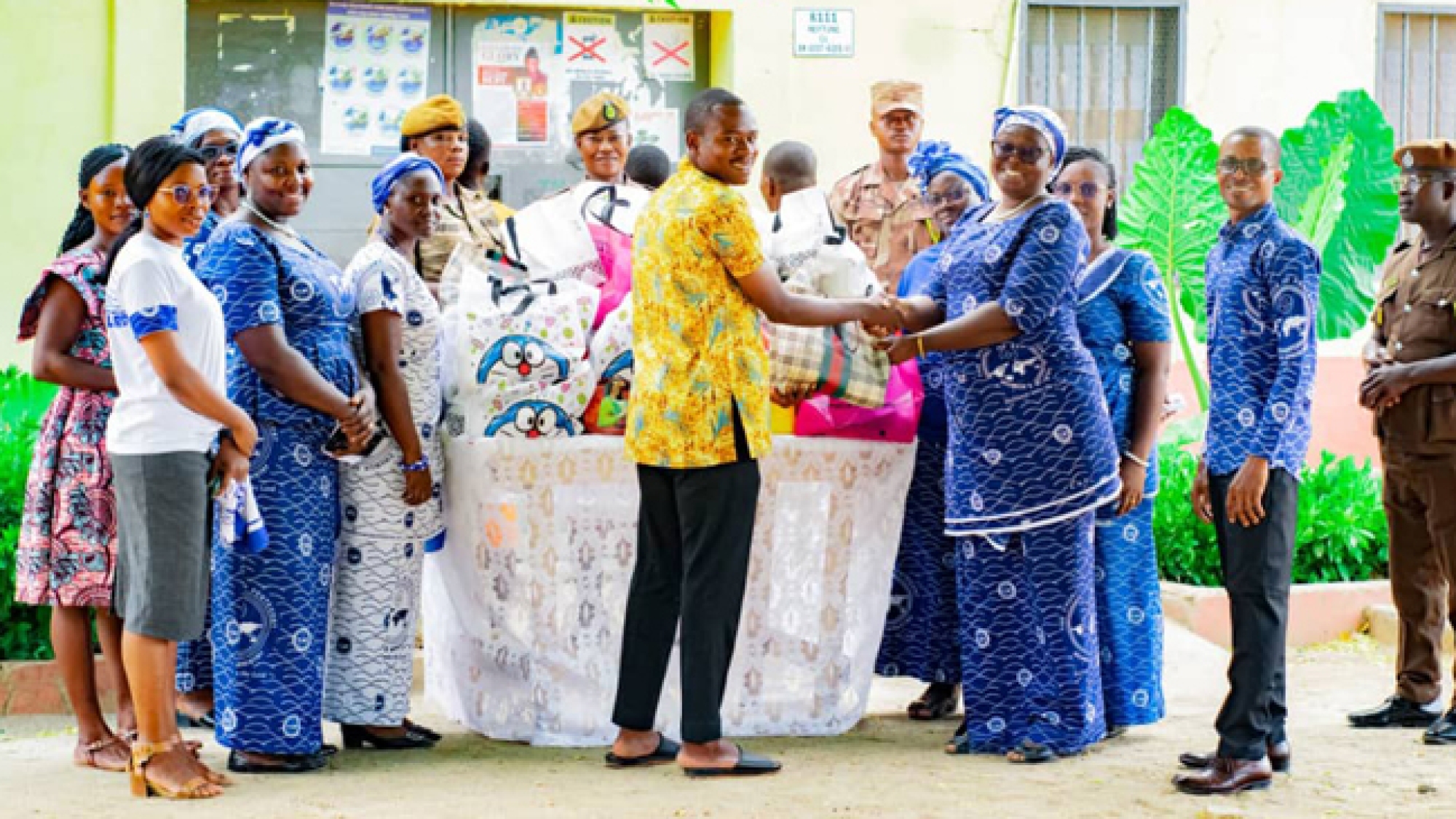
The Wa Area Women’s Ministry of The Church of Pentecost celebrated this year’s Mother’s Day on Sunday, May 11, by extending love and support to the inmates of the Wa Central Prison.

As part of the celebration, the women donated assorted essential items, including toothpaste, toothbrushes, gari, sugar, boxer shorts, and slippers, to help address some of the inmates’ pressing needs. 

The team received a warm welcome from the officers of the Ghana Prison Service, who expressed profound appreciation for the ministry’s continued support.

On behalf of the ministry, Deaconess Rita Milku, the Area Women’s Ministry Leader, presented the items, explaining that the donation was intended to alleviate some of the challenges faced by the inmates. She emphasised that, as mothers, they empathise with the struggles of those in custody and hope the gesture would bring them comfort. 

During a time of interaction, Mrs Dorcas Awuni, the Minister’s Wives Representative on the Area Women’s Ministry Executive Committee, delivered a powerful message of hope and encouragement, urging the inmates to trust in God’s unwavering love.

Quoting Isaiah 49:15, she reminded them that even if a mother were to forget her child, God would never forget them. She encouraged them to cultivate a personal relationship with God, likening it to the bond between a mother and her child; a connection built on love, care, and reassurance. She then invited them to accept Jesus Christ as their Lord and personal Saviour, assuring them of His ever-present guidance and comfort. 

As the message resonated deeply, an altar call was made, leading to a transformational moment where nine inmates accepted Christ as their Lord and personal Saviour. 

The inmates expressed their heartfelt gratitude for the spiritual encouragement and material support, sharing how the visit had uplifted their spirits. 

Among those present were Pastor Solomon Mensah (Minister in Charge of the Prison and Associate Ministry), alongside the Area Women’s Ministry Leader and her executives. Also in attendance were Mrs Rita Ampah (Wife of the Resident Minister of PIWC-Wa), Mrs Augustina Dadzie (Wife of the Blue Hill District Minister), and other district leaders. 

The Wa Area Women’s Ministry remains committed to spreading God’s love and compassion to those in need, ensuring that His message of hope reaches every corner of society. 

Report by Wa Area Media Team

GROW WHEREVER YOU ARE PLANTED web

Grow Wherever You Are Planted

Life rarely unfolds according to our plans. Dreams may shift, locations may change, and seasons may surprise us. Yet in the midst of life’s unpredictability, God calls us to something steady and powerful: to grow right where we are planted.

The phrase “GROW WHEREVER YOU ARE PLANTED” is not just a nice motivational quote it is a spiritual principle deeply rooted in Scripture. In Jeremiah 17:7–8, we read:

“But blessed is the one who trusts in the Lord, whose confidence is in him.
They will be like a tree planted by the water that sends out its roots by the stream.
It does not fear when heat comes; its leaves are always green.
It has no worries in a year of drought and never fails to bear fruit.”

This passage is a powerful reminder that our growth does not depend on perfect conditions. It depends on where our roots are on whom our trust is placed. When we stay rooted in God’s Word and presence, we can thrive even in unlikely soil.

YOUR PLACE HAS PURPOSE

You may be in a job that feels unfulfilling, a town you did not plan to live in, or a life stage that feels slow or stagnant. But your location both physically and spiritually is not a mistake. God does not plant you randomly. He plants with intention.

The Apostle Paul, writing to believers in the early church, often emphasised blooming in place. In 1 Corinthians 7:17, he said, “Each person should live as a believer in whatever situation the Lord has assigned to them, just as God has called them.” God can use any season, any place, any position to produce growth in us and through us.

BLOOM IN THE MUNDANE

Growth is not always flashy. Sometimes it looks like showing up with integrity at work, being kind to difficult people, staying faithful in prayer when no one sees, or serving your local church consistently. These quiet moments are like roots growing underground unseen but essential.

We do not need to wait for better circumstances to live purposefully. God is present here, and He can produce fruit from our lives when we yield to Him fully even in ordinary or difficult settings.

FLOURISHING DESPITE THE HEAT

Jeremiah’s imagery of the tree “not fearing when heat comes” is significant. Trials and hardships are not the enemy of growth, they are often the catalyst for it. When we lean into God in hard times, our roots grow deeper. Our dependence strengthens. Our witness becomes more authentic.

Heat will come. Droughts will arrive. But the one who stays planted in God will remain green alive, resilient, and fruitful.

EXTEND YOUR SHADE TO OTHERS

A tree that flourishes does not grow just for itself but it provides shade, shelter, and nourishment to others. When you grow where you are planted, your testimony becomes a refuge for those in need. Your faith can encourage, strengthen, and uplift those around you.

Growth is not merely for personal benefit; it becomes a means of blessing others. Your perseverance, kindness, and unwavering trust in God can serve as a source of strength for those walking through their own dry seasons.

CONCLUSION

Wherever you are today whether in a season of abundance or drought, trust that God can grow something beautiful through your life. Don’t despise your place of planting. Instead, water it with prayer, fertilise it with faith, and tend it with gratitude.

Because when you grow where you are planted, you become a testimony of God’s goodness, right in the soil where He has placed you.

Written by Elder Solomon Nii Ofoli Tackie (Oduman District, Anyaa-Ablekuma Area)

NATIONAL HUM COORDINATOR A LEADER WHO WALKS THE TALK WEB

National HUM Coordinator: A Leader Who Walks The Talk

In a time when leadership is often defined by charisma and status, it is refreshing to witness leadership rooted in service, integrity, and unwavering commitment to a divine mandate. Such is the leadership journey of Apostle Emmanuel Agyei Kwafo, the National Coordinator of the Home and Urban Missions (HUM) of The Church of Pentecost, whose trailblazing efforts have redefined ministry to the marginalized since HUM’s inception in 2019. 

A Call to Serve the Forgotten

Born out of the Church’s broader vision to “Possess the Nations and Transform All,” the Home and Urban Missions was established as a spiritual and social response to the increasing neglect of vulnerable populations in Ghana’s inner cities and unreached communities. From street children to substance abusers, urban poor, and marginalized groups, the field was ripe for harvest, just as Jesus declared in John 4:35. Yet, to labour in such a field required more than a leader, but a worker. A man with the heart of a shepherd, the hands of a servant, and the vision of a kingdom builder. That man was Apostle Emmanuel Agyei Kwafo. 

From Vision to Movement 

When HUM was launched under the direction of the Chairman of The Church of Pentecost, Apostle Eric Nyamekye, it became clear that this was not merely an ecclesiastical initiative, but a divine movement. Entrusted with the responsibility of coordinating this vision nationally, Apostle Kwafo did not simply assume an office – he embraced a calling. 

His leadership is marked by action rather than rhetoric. From the outset, he understood that HUM’s heartbeat lay not in boardrooms or pulpits alone, but in the streets, ghettos, and forgotten places where broken lives cried out for redemption. With humility, diligence, and genuine concern, he rolled up his sleeves and began laying structures—recruiting, training, and inspiring pastors, ministers, and volunteers to step beyond conventional ministry and reach the unreached. 

Strategic Leadership with a Shepherd’s Heart

One of Apostle Kwafo’s most admirable qualities is his ability to blend spiritual insight with strategic leadership. Under his guidance, HUM developed frameworks for evangelism, discipleship, feeding programmes, rehabilitation, and empowerment projects tailored to diverse groups, including street children, migrants, drug addicts, and urban dwellers. 

Through regular training sessions, mentorship programmes, and field supervision, he ensured that every HUM worker, regardless of title or rank, was equipped, encouraged, and energized. His involvement in missions inspired a culture of servant leadership as he walked the very roads he called others to walk. Volunteers and pastors nationwide recount stories of Apostle Kwafo’s presence at outreaches, prayer walks, and feeding drives, ministering with compassion and purpose. 

Impact That Speaks for Itself

The fruit of his labour is evident in the countless lives transformed through HUM initiatives. Families have been restored, addicts have found freedom, and children once condemned to the streets are now learning, growing, and thriving. Communities have awakened to the love of Christ through the practical expressions of the gospel. 

HUM is more than an evangelistic arm; it is a movement of transformation, spiritually, socially, and economically, impacting lives. And much of this can be attributed to Apostle Kwafo’s servant-hearted leadership. 

A Leader Who Knows His People 

What makes Apostle Kwafo’s leadership even more remarkable is his approach. From Area leaders to local volunteers, many share stories of how he has taken the time to know them by name, encourage their efforts, and be genuinely present in their concerns, modeling the principle of shepherding the flock among you (1 Peter 5:2). 

A Future Rooted in Service 

As HUM continues to expand, establishing new clubs, feeding programmes, skills training centres, and outreaches, the call for more labourers grows louder. Given the solid groundwork established by Apostle Kwafo, HUM is poised for a promising and impactful future.

Through his example, The Church of Pentecost is raising a new generation of leaders who are selfless, strategic, Spirit-led, and servant-hearted. Apostle Emmanuel Agyei Kwafo is more than a coordinator; he is a commander in God’s army of compassion. His leadership has shown that fulfilling a divine mandate requires not only vision but relentless action, personal sacrifice, and unwavering faith. 

He is the leader who walks the talk – a builder of people, a transformer of communities, and a vessel in the hands of God. 

As the harvest remains plentiful, may many arise, following in his footsteps to join the mission, not just with words, but with hearts full of service and hands ready to labour. 

Written by Rebecca Siameh

THE POWER OF THE LORD'S SUPPER (COMMUNION) WEB

The Power Of The Lord’s Supper (Communion)

A Personal Testimony: The Healing Power of Communion

On May 4, 2025, I fell gravely ill, weak, vomiting, and battling severe diarrhea. I couldn’t keep anything down, not even water. Completely drained, attending church was impossible. 

However, my wife went to the service and brought home the Communion elements. She prayed over them before giving them to me. 

After partaking, my condition initially worsened—I vomited violently, leaving everyone deeply concerned. Family members urged me to seek medical attention, but I held onto faith, declaring, ‘I have just consumed the Body and Blood of Jesus Christ. Let’s wait and see His power at work.’ 

Then, at about 3:30 AM, a miracle happened. Strength suddenly surged through my body! The sickness vanished, and I felt hungry—a sign of full restoration. For the first time in a long while, I experienced the supernatural power of the Lord’s Supper. 

What Is the Lord’s Supper?

The Lord’s Supper, also known as Communion or the Holy Eucharist, is a sacred ordinance instituted by Jesus Christ the night before His crucifixion. It is a divine meal where believers partake of bread and wine (or juice), symbolizing His body and blood. More than a ritual, it is a profound spiritual encounter that connects us to Christ’s redemptive work on the cross. 

Jesus set an example 

“And He took bread, gave thanks and broke it, and gave it to them, saying, ‘This is My body which is given for you; do this in remembrance of Me.’ Likewise, He also took the cup after supper, saying, ‘This cup is the new covenant in My blood, which is shed for you.’”  (Luke 22:19-20, NKJV) 

The Apostle Paul also emphasized the significance of Communion in 1 Corinthians 11:23-26, stating that whenever we partake, we “proclaim the Lord’s death till He comes.” 

What Does the Lord’s Supper Represent? 

1. Remembrance of Christ’s Sacrifice – It keeps us mindful of Jesus’ broken body and shed blood for our salvation (1 Corinthians 11:24-25). 

2. Spiritual Nourishment – Just as food strengthens the body, Communion brings divine health and strength (John 6:53-57). 

3. Healing and Deliverance – By His stripes we are healed (Isaiah 53:5). Communion activates this promise. 

4. Covenant Renewal – It reaffirms our relationship with God, releasing blessings (Matthew 26:28). 

5. Unity in the Body of Christ – It strengthens the bond among believers in faith and love (1 Corinthians 10:17). 

A Call to Action: Let the Church Extend Communion to the Needy

Many believers, whether sick, aged, or homebound, are unable to attend church. Yet, the early Church understood the importance of bringing Communion to them (Acts 2:46). 

Church leaders must revive this practice by sending Communion to the sick in hospitals, the elderly at home, and those unable to gather. 

Paul warns in 1 Corinthians 11:27-30 about partaking unworthily. However, when received with faith and reverence, Communion becomes a channel of divine blessings, including: 

  • Healing (Mark 16:18) 
  • Financial Breakthrough (3 John 1:2) 
  • Marital Openings (Psalm 68:6) 
  • Fruitfulness (Exodus 23:26) 

Conclusion: Expect Miracles Through Communion

The Lord’s Supper is more than a symbolic act; it is a divine encounter. As you partake in faith, expect healing to manifest, doors to open, and barrenness to break. May every Communion bring supernatural strength, sudden breakthroughs, and miraculous fruitfulness, in Jesus’ name! 

Let us hold fast the confession of our hope without wavering, for He who promised is faithful (Hebrews 10:23). Amen!

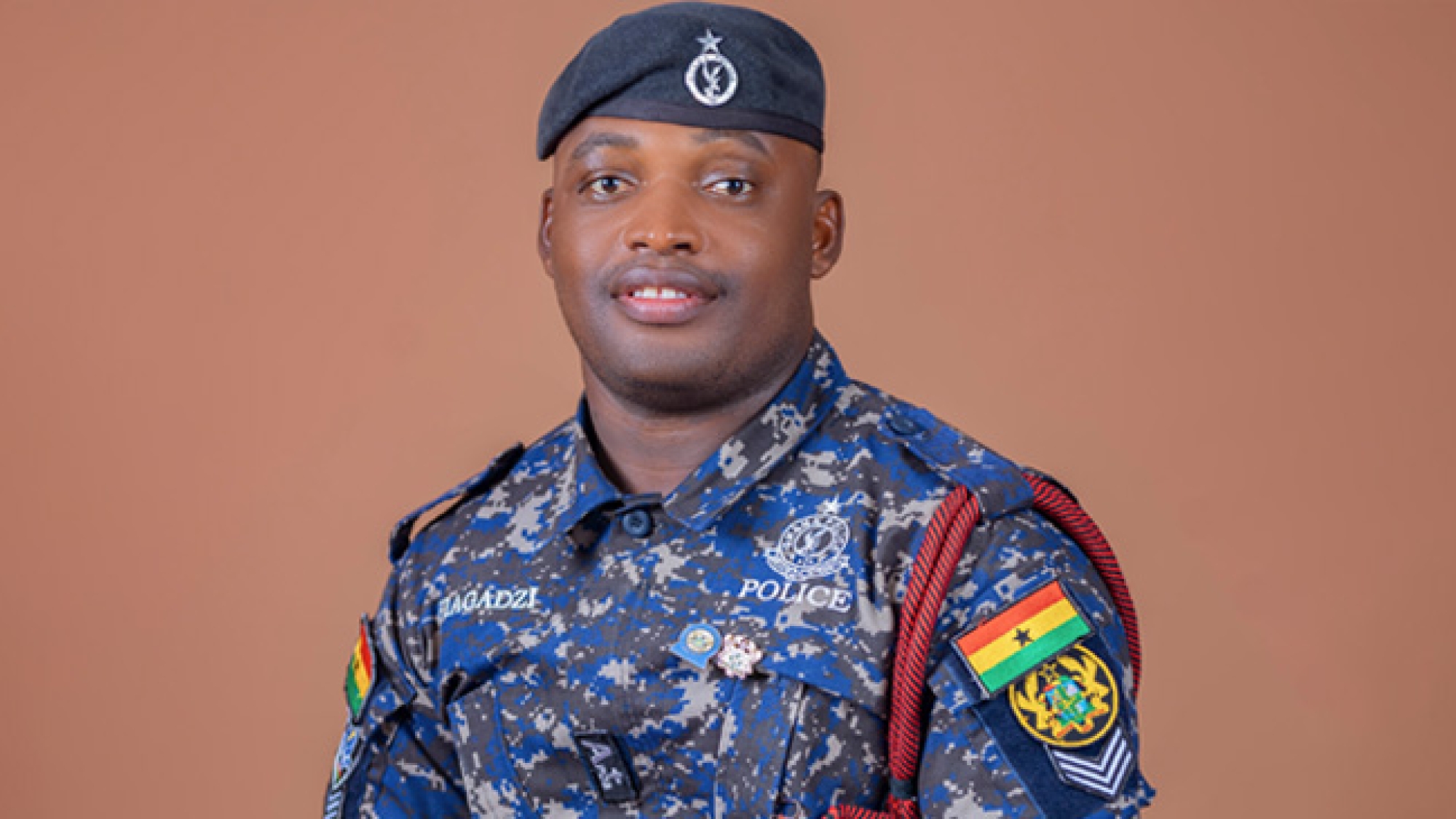
Written by Mr. Confidence Fiagadzi (Police Officer / SRC Vice–President, Pentecost University) 

THE SACRED CALLING OF WOMANHOOD web

The Sacred Calling Of Womanhood

INTRODUCTION

In this article, I briefly espouse the essence of womanhood— not as a means to an end or a burdensome role—but rather as a total purpose, a sacred calling with earthly and eternal rewards.

I love to use stories as anecdotes to convey my thoughts, so permit me to share this story. A few years into my marriage, I found myself exhausted after a long Saturday of cooking, cleaning, and caring for our home. My husband, deeply engrossed in preparing a sermon, looked up when I asked, “Honey, does all this kitchen work even matter for eternity?” He chuckled and gently reassured me of the sacredness of every role I undertake as a woman. Though I knew this truth, I needed that reminder, especially in a world that often elevates work outside the home over a woman’s work at home. Sometimes, we all need that nudge in the right direction. So, let’s journey together in rediscovering the divine essence of womanhood.

THE SACRED CALL OF WOMANHOOD

God created both men and women wonderfully and with purpose (Psalm 139:14), and like the man, He created the woman “….in Christ Jesus to do good works..” (Ephesians 2:10). The good works go beyond the kitchen and the home, though these spaces are equally important. Every aspect of a woman’s life—her faith, family, career, and all spheres—is meaningful in God’s grand design. In the pages of the Bible, and our contemporary times, we see godly women such as Deborah, Abigail, Esther, Deborah, the unnamed Proverbs 31-woman, Florence Nightingale, Rosa Park, and Mother Teresa playing incredible roles in the home, public space and even spearheading the deliverance of nations.

God had great plans for adding women in His creation plan—women were not designed to be mere attachments to men, nor were they called to compete with them. The woman was created to play a complementary role to the man in the marital context (Genesis 2:18), and to lead, nurture, and influence society in various ways as seen in the pages of scripture. God’s grand scheme is redemption and transformation of the home and society, and this is in line with the overarching goal of  the 2028 Vision of the Church of Pentecost: A church where members go to possess their world/nations by transforming every worldview, thought and behavior with values, principles and lifestyles of the Kingdom of God and thereby turning many people to Christ. The vision points us to using the kingdom lifestyle we have developed to influence first of all, our homes, the church, then our world at large as ambassadors of Christ (Ephesians 4-6; II Corinthians 5:20). In this vision and the grand vision of God, women play an integral role.

Yet, modern society often misrepresents womanhood, which has led to two extremes: While some insist that women should solely focus on the home, family, or homemaking, others advocate prioritizing personal and career success at the expense of family. The exclusivity of both perspectives miss the mark, and marrying the two extreme positions—which could make the woman’s impact more holistic—has become far-fetched. The dichotomy has made it difficult for some women, especially the younger generations to embrace the totality and beauty of godly womanhood. It has also stifled some women in fulfilling their spiritual mandate in the grand scheme of God’s plan for humanity, thinking womanhood is too complex and sometimes limiting. Womanhood is not an either-or dilemma—it is a holistic, God-ordained calling.

The question then is if womanhood captures the home and beyond, how do we live out our lives fulfilling our holistic calling when we are faced with a myriad of responsibilities and complexities in our roles? How do we align our mindset to see a woman’s role such as wifehood and motherhood as valuable and roles in the public sphere as sacred? How do we become kingdom carriers and infiltrate everything we do with godly principles and values?

The best example of a woman’s platform of influence is vividly illustrated by the iconic Proverbs 31 Woman. (Proverbs 31:10-31) She exemplifies the totality of womanhood with such grace and tenacity. She is not portrayed as a weak, incapable person waiting for her husband to do everything. Rather, she is portrayed as a nurturer, wise, tenacious, and influential person who is also a great home-maker. She is a beautiful complement to her husband and a formidable support to her community by portraying her qualities through her roles as a wife, mother, businesswoman and a philanthropist. She sees each of her roles as sacred. She makes her home and the public sphere so glorious that her own works praise her at the city gates (Proverbs 31:31).

Learning from this woman, I believe the first step in fulfilling our God-given calling is to realize that everything we do is sacred and of eternal significance. We must then be willing to take our everyday life, no matter how mundane it might look and place them before God as our spiritual act of worship (Romans 12:1-2; Col 3:17). So, whether we are nursing a baby, selling on the market, nursing a patient, teaching in the classroom or serving as a CEO of a company, we must see such as our spiritual act of service; that is saving souls, redeeming the lost and bringing hope.

Now, let us consider some practical and biblical applications of how this plays out, beginning with the home as the foundation of every impact we make.

THE HOME AS A FOUNDATION OF INFLUENCE

While women’s contributions in the public sphere are undeniable, their influence in the home remains foundational. A woman is the one that builds the home (Proverbs 14:1) from where every one—great and small—emerges. A woman plays a crucial role in shaping the spiritual and moral values of families, creating environments of love, discipline, and faith. The Bible highlights the significant role women play in the home as nurturers, teachers, and spiritual influencers leveraging on their godly wisdom, love, and faith to impact generations to come. Women nurture newborns who grow to become nation influencers. It was a woman who carried and nurtured the Savior of the world. Women raised every single leader the world has known.

The story of Timothy’s mother, Eunice, and grandmother, Lois (2 Timothy 1:5), is a testimony to the power of godly influence in the home and underscores that the sacredness of womanhood is often demonstrated in the quiet, consistent nurturing of faith within the next generation. Their faith shaped Timothy into a mighty servant of God. In our world, we can learn from the exceptional example of Susan Wesley who nurtured her children to be great world transformers. It is important to note that homemaking is not solely a woman’s responsibility—men also have a role to play in nurturing the home. Yet, a woman’s influence within the family is irreplaceable. The home is not secondary to the corporate world or even the church; it is the heart of a woman’s kingdom impact. So, if you find yourself serving in the home either wholly or partly, know that you are fulfilling a call in God’s grand scheme of redemption and transformation; you can be an agent of transformation right in the mundanity of your home!

A WOMAN’S INFLUENCE IN THE PUBLIC SPHERE

As women, we shape society in the capacity of leaders, educators, entrepreneurs, policymakers, and influencers in media and ministry. Whether leading businesses with integrity, pushing the kingdom frontiers, or mentoring the next generation, Christian women carry the responsibility to be light in a dark world (Matthew 5:14-16). Our presence in the public sphere is not about seeking power for personal gain but about fulfilling God’s call to be kingdom ambassadors in every area of life (2 Corinthians 5:20). But operating in the public sphere shouldn’t be at the expense of the home. Holistic ministry impact revolves around redeeming our homes first, and extending that grace to the public sphere.

Here are a few examples of exemplary women who left exceptional legacies in the public sphere but also served in their noble callings in the home:

  • Esther – A Voice for Justice and Deliverance
    As queen of Persia, Esther risked her life to intercede for her people, demonstrating that influence comes with responsibility (Esther 4:16). Her strategic wisdom, courage, and faith in God exemplify how Christian women today can advocate for righteousness in government, law, and human rights.
  • Deborah – A Leader in Governance and Military Strategy
    Deborah was a judge, prophetess, and military leader, providing wisdom and guidance to Israel (Judges 4:4-9). She led with integrity, partnering with Barak to bring victory to her nation. In today’s world, Christian women can serve in leadership roles, guiding organizations, churches, and communities with wisdom rooted in God’s truth.
  • Huldah – A Counselor and National Advisor
    Huldah, a prophetess, was consulted by high-ranking officials, including King Josiah’s delegation, for divine wisdom (2 Kings 22:14-15). She boldly declared God’s word, influencing national policies. Christian women today serve as advisors, counselors, educators, and policymakers, bringing biblical perspectives into crucial decision-making spaces.
  • The Hebrew Midwives – Defying Injustice in Their Profession
    Shiphrah and Puah, the Hebrew midwives, defied Pharaoh’s order to kill Hebrew baby boys, displaying great courage and moral conviction in their profession (Exodus 1:15-21). Their stand for life reminds us that Christian women in healthcare, social work, and advocacy must champion ethics, human dignity, and godly principles.
  • Lydia – A Businesswoman Supporting the Gospel
    Lydia, a successful merchant, used her resources and influence to support Paul’s ministry and establish a house church (Acts 16:14-15). Her example shows how Christian women in business and entrepreneurship can use their wealth and platforms to advance God’s mission.

What unites these women is their commitment to using their gifts, positions, and resources to transform their worlds with kingdom values? They partnered with men, rather than competing with them, and viewed every opportunity as a chance to advance God’s mission.

CONCLUSION

Womanhood is not just a status; it is a sacred calling. We are called to embrace it with joy, strength, and unwavering devotion. The Apostle Paul urges believers, “Live a life worthy of the calling you have received” (Ephesians 4:1). This means embodying wisdom, purity, and courage, even when the world presents conflicting values. Every Christian woman has a divine mandate—to lead boldly, nurture faithfully, and walk steadfastly in her kingdom mandate of infiltrating the world with kingdom principles, starting from the home and extending it beyond.

As we embrace this calling, may we draw strength from God’s Word, influence our families and communities, and inspire upcoming generations.

Written by Dr. (Mrs.) Cynthia Adom-Portuphy

The COP Whitepaper A Charting Course For Kingdom Advancement And Ministerial Fulfillment web

The COP Whitepaper: A Charting Course For Kingdom Advancement And Ministerial Fulfillment

The Church, as both organism and organogram, seeks to balance spiritual vitality with structural integrity, focusing on creating a dynamic, adaptive, and effective church that honors God and serves His people. The Church exists as an organogram, serving as a structured institution with defined roles, leadership, systems, and governance. On the other hand, the “organism” emphasises the Church as a living, spiritual body, with Christ as its head. The life of the Church flows from the Holy Spirit, who empowers, guides, and nurtures us. In summary, the organism gives it vitality, while the organogram gives it form and direction.

In balancing spirituality with administrative framework, The Church of Pentecost places much premium on what is referred to as “The COP Whitepaper.”

The term “White Paper” originates from government and policy contexts, where it refers to an authoritative report or document that presents information, proposals, and decisions on a particular direction.

In the context of The Church of Pentecost, the Whitepaper serves as an official document borne out of the General Council Meetings and the Extra-Ordinary Council Meetings. It contains vital decisions, such as constitutional amendments, reviews, appointments, elections, creation of areas and districts, calls into the offices of Apostle, Prophet, Evangelist, Pastorate, and ministerial training, transfers, retirement, medical leave, leave of absence, dismissal, resignation, doctrinal directions, upgrade/downgrade of ministers, etc.

GENERAL COUNCIL MEETING AND EXTRA-ORDINARY COUNCIL MEETING

In The Church of Pentecost, “The General Council” refers to the highest policy-making body of the Church, with regular and statutory meetings held yearly, dubbed “General Council Meeting.” “Extra-Ordinary Council Meeting,” on the other hand, is a special meeting of the General Council that is called outside the usual annual schedule to address urgent or significant matters. Practically, an Extra-Ordinary Council Meeting is held when there is no constitutional amendment, voting (elections into various portfolios), or discussion and approval of major policies.

According to Church history, in 1985, the Executive Council decided to introduce a revised version of the yearly meeting called “Extra-Ordinary Council Meeting” to minimise the number that attend the General Council Meeting. Subsequently, the Extra-Ordinary Council Meeting was introduced and first held in 1986.

THE SPIRIT OF COP MINISTERIAL TRANSFERS

Transfers within The Church of Pentecost are a prayerfully guided practice aimed at enhancing the Church’s mission and ensuring effective pastoral care across its global network. These transfers, which involve moving ministers from one district, area, or nation to another, are rooted in the Church’s commitment to spiritual growth, leadership development, and administrative efficiency.

• Aligning with Divine Direction

Transfers are not just administrative moves; they are Spirit-led decisions. The Executive Council, in consultation with Area Heads and guided by prayer, discerns God’s will for where a minister should serve next. This spiritual oversight ensures that the right person is placed in the right field at the right time.

• Promoting the Growth of the Church

One of the core reasons for transfers is to advance the spiritual and numerical growth of the Church. By placing ministers in new environments, the Church ensures a continuous flow of fresh vision, energy, and strategies that can stimulate revival and outreach. It also helps prevent stagnation or over-familiarity between ministers and congregations.

• Preventing Ministerial Burnout and Encouraging Renewal

Regular transfers help refresh ministers, allowing them to recharge spiritually and mentally. A new environment can reignite passion, encourage creativity, and allow ministers to refocus on their divine call without becoming too comfortable or complacent.

  1. New perspectives: A new minister brings fresh ideas, experiences, and approaches to ministry, which can revitalise the Church.
  2. Diverse leadership styles: Exposure to different leadership styles can help the Church develop a more well-rounded approach to ministry.
  3. Networking opportunities: Transfers can foster connections between churches, enabling collaboration and resource sharing.

It is strongly believed that “The spirit of the letter is the determination of the destiny, next course of action, and future of the minister.” It’s a charting course for pursuing God’s agenda, fulfilling assignment, and actualising calling. In essence, it’s a manifestation of a divine plan for unleashing the chosen at a particular season to a destination where his ministry and gifts are of much essence.

SIGNIFICANCE OF “THE COP WHITEPAPER”

  1. Transparency and Accountability: The Whitepaper provides a clear and concise record of the Church’s decisions, actions, and leadership changes, promoting transparency and accountability within the organisation.
  2. Guidance and Direction: The document serves as a guide for Church members, leaders, and officials, outlining the Church’s vision, mission, and goals, and providing direction for its ministries and activities.
  3. Historical Record: The Whitepaper serves as a historical document, preserving the Church’s decisions, actions, and progress over time, allowing for reflection, evaluation, and improvement. At the same time, it contributes to the Church’s legacy and heritage, preserving its history, values, and principles for future generations.
  4. Communication and Information: The Whitepaper facilitates effective communication and information sharing among Church members and leaders, reducing confusion and misinformation. It carries the authority and credibility of the Church’s leadership, providing a trusted source of information and guidance for its members and the wider community.
  5. Membership Engagement and Empowerment: By providing a clear understanding of the Church’s direction and decisions, the Whitepaper empowers members to engage actively in the Church’s ministries and activities.
  6. Leadership Transition and Succession: The Whitepaper ensures a smooth transition of leadership and facilitates succession planning, minimising disruptions and maintaining stability within the Church.

Written by Elder Patrick Turkson (Asenemaso District Youth Leader, Abukwa Area)

MINISTERIAL TRANSFERS IN THE COP web

Ministerial Transfers In The Church Of Pentecost

One of the unique and spiritually significant practices in The Church of Pentecost is the periodic transfer of ministers from one station to another.

From its inception, The Church of Pentecost has understood ministry as a mission-driven calling, not confined to a single location or context. The Church’s early missionaries, like Pastor James McKeown (the founder), did not settle in comfort but responded to the Holy Spirit’s leading—planting churches, discipling new believers, and establishing strong foundations across regions.

This legacy continues today. Every minister in The Church of Pentecost is not just called to preach but is appointed and assigned to serve in various parts of the body wherever they are sent.

Transfers are spiritually discerned, prayerfully considered, and strategically implemented under the authority of the Executive Council, which acts under divine guidance that reflects God’s will and the Church’s vision for growth, revival, and leadership development.

The practice allows the Church to refresh leadership, strengthen weaker stations, balance ministerial exposure, and mobilise resources and gifts where they are needed most.

KEY FACTORS THAT INFLUENCE TRANSFERS

  • Prayer and Divine Direction

The leadership (Executive Council) seeks the guidance of the Holy Spirit in all transfers.

  • Tenure in Station

Ministers are typically transferred after serving for a period.

  • Gifts and Calling

A minister may be transferred to a place where their specific gifts, strengths, or experiences are needed.

  • Health, Family, or Personal Factors

Sometimes transfers are made to accommodate a minister’s health, family needs, or personal circumstances, with the guidance of the leadership.

  • Performance and Leadership Impact

While not the main determinant, a minister’s faithfulness, effectiveness, administrative ability, and fruitfulness may influence where they are assigned next. However, transfers are not treated as a reward or penalty system.

  • Church Growth and Strategic Need

Transfers are often done to strengthen growing churches, revive challenged assemblies, plant new assemblies, and create new districts.

The Church emphasises that transfers are part of the call, and every minister must be willing to serve wherever and whenever the Church deems fit.

ATTITUDE TOWARD TRANSFERS

  1. Faith and Trust in God’s Plan: “All things work together for good” (Romans 8:28).
  2. Servanthood: “Christ emptied Himself and obeyed unto death” (Philippians 2:5–7).
  3. Joyful Obedience: Like Abraham—ready to go without full details (Genesis 12:1–4).

TO MINISTERS:

Your calling is bigger than your current station. Wherever and whenever God places you next, go in faith, build with love, and serve with excellence. You are not being moved—you are being sent, so be open to where God leads through the Church.

TO MEMBERS:

Support your outgoing and incoming ministers. Pray for them, honour them, and work with them. Remember, you are not just receiving a man—you are welcoming God’s assignment and gift.

TO OFFICERS:

Be co-labourers, not critics. Transfers don’t end the mission—they extend it. “One plants, another waters, but God gives the increase.” (1 Corinthians 3:6–9)

CONCLUSION

In a generation that craves comfort and permanence, the calling to ministry in The Church of Pentecost remains countercultural: it is a calling to go where God sends, serve with joy, and move without murmuring. Every duty post belongs to God, and every minister is a steward—not a settler.

Ultimately, we are reminded that in God’s Kingdom, no minister is self-appointed, no station belongs to a person, and no assignment is final. The harvest is the Lord’s, the labourers are His, and the call is to be faithful wherever we are sent.

The work is God’s, and we are just servants in His field. Our attitudes should be “Here I am, Lord, send me” (Isaiah 6:8).

Ministers are encouraged to see every transfer as part of God’s unfolding plan for both their calling and the Church’s mission.

Written by Pastor Ebenezer Yeboah (Sindaa District, Sawla Area)