one_cedi

Bank Of Ghana Plans To Stop Circulation Of One, Two Cedi Notes

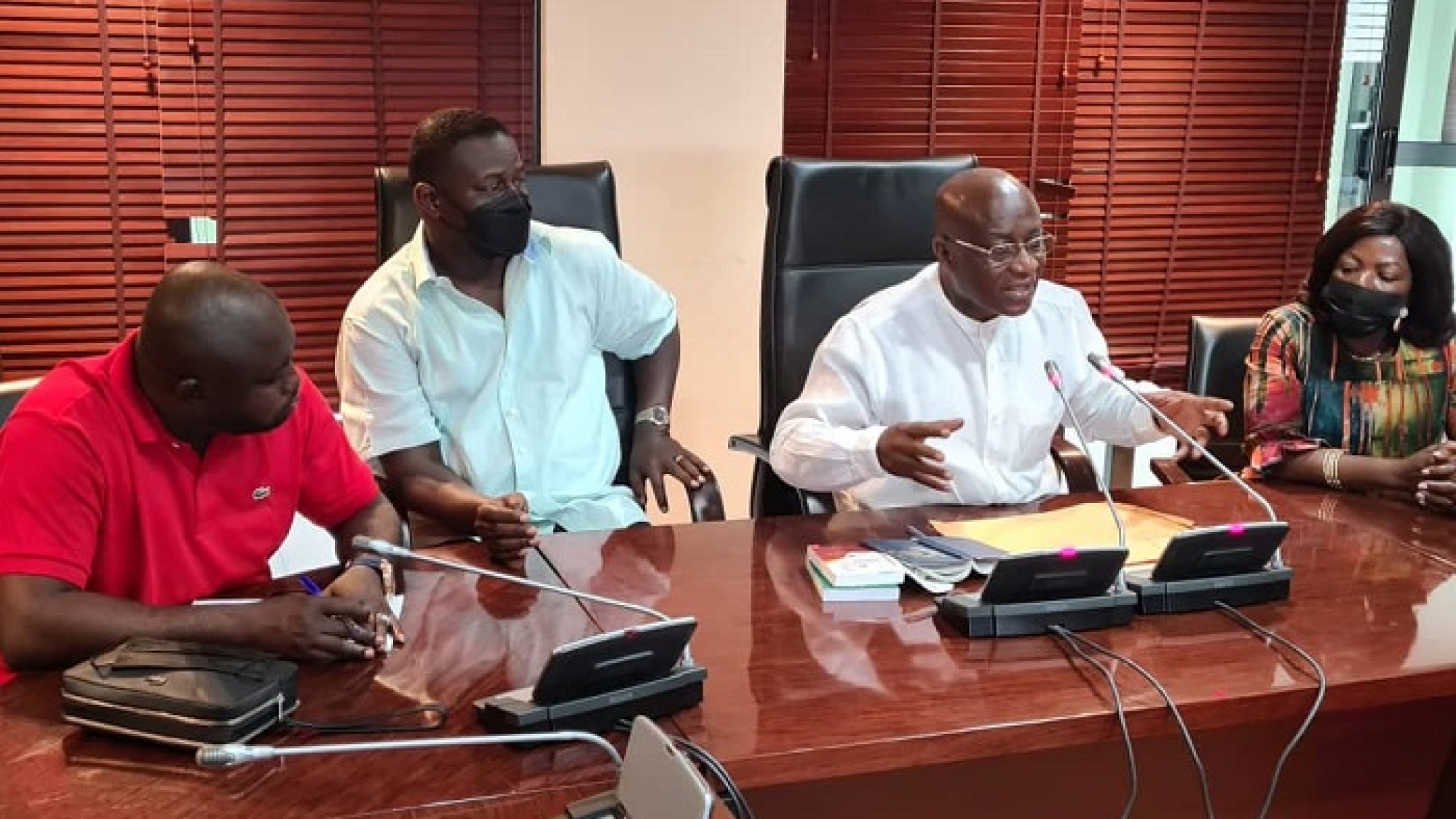
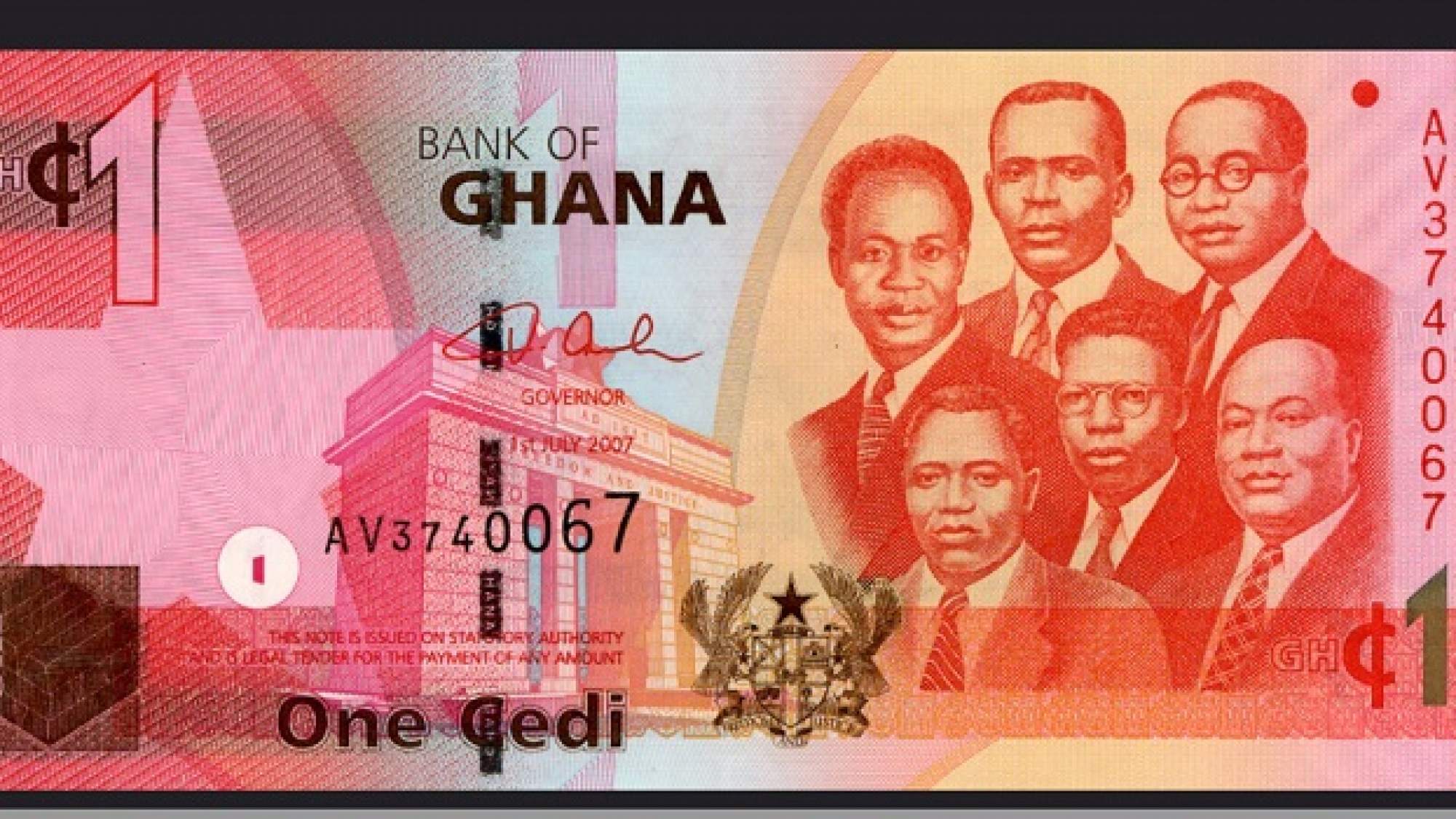
The Bank of Ghana (BoG) has said that it is working to phase out the one Ghana cedi and the two Ghana cedi notes from circulation.

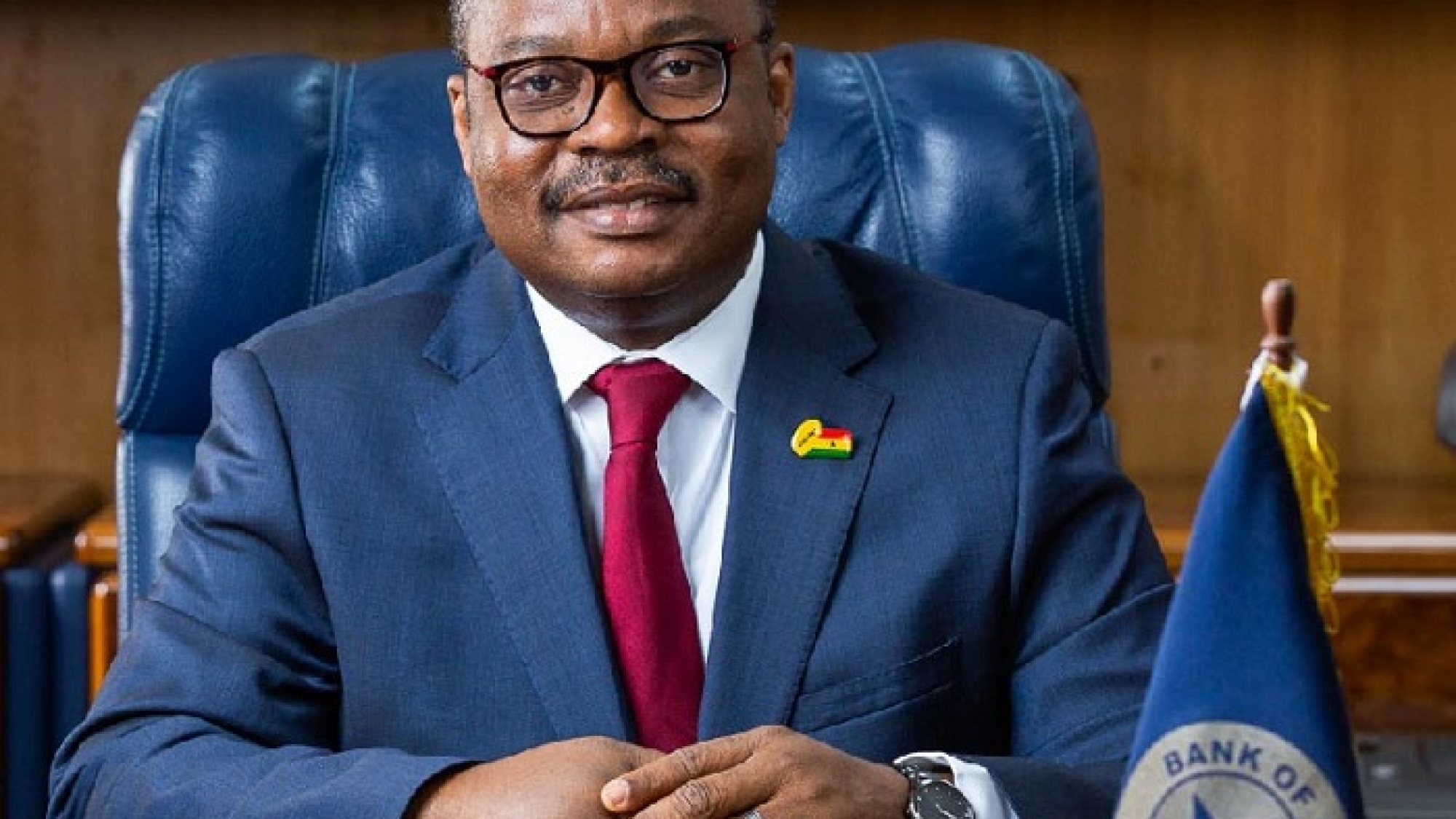
The Governor of BoG, Dr Ernest Addison, said on Monday (September 27) that the notes will ultimately be replaced by their coin versions, which were currently co-circulating.

He said the decision was needed to improve the bank’s cost of currency management.

Dr Addison told journalists on Monday that the central bank had realised that it was not cost effective to keep the two sets of notes in circulation, as they mostly returned dirty and worn out, requiring frequent replacements.

He was responding to a question on why the two cedi note was in short supply in some parts of the country during the bank’s Monetary Policy Committee press conference.

“In the long run, the plan is that the one and two cedi notes should be phased out. They are not cost-effective.”

“They mostly return torn, soiled and dirty. We’ve bails and bails of those two and so the view is to get them out and use the coins,” he said.

The BOG, which is the bank to the government, regulates the printing and circulation of currency in the country.

The current two cedi note was introduced in April 2010 as a commemorative note to mark the centenary celebration of the birth of Dr Kwame Nkrumah, the country’s first President.

SOURCE: GRAPHIC.COM.GH

Governor-01

MPC Maintains Policy Rate At 13.5%

The Monetary Policy Committee of the Bank of Ghana has kept its Policy rate – the rate at which it lends to commercial banks – at 13.5%.

This is due to threats to growth and inflation.

Prior to this announcement, some research institutions including the Institute of Economic Affairs have projected an unchanged policy rate for at least the next two and half months.

Addressing the press, Governor of the Bank of Ghana, Dr. Ernest Addison, said it was necessary to keep the policy rate unchanged due to developments in both the local and global economies.

“The Committee noted that the recovery in global economic activity has continued, although unevenly spread across regions and countries. But, uncertainties regarding the continued spread of the Delta variant of the COVID-19 virus, variations in policy stimulus programmes, and low access to vaccines in emerging market and frontier economies may weaken near-term growth prospects.”

Again, “global inflationary pressures are expected to be strong in the near term. However, the factors driving headline inflation are judged to be temporary. The still sizeable spare capacity in the global economy and the slackness in labour market conditions would restrain wage growth and prevent a significant and sustained pick-up in underlying inflation. Inflation is expected to return to their target over the medium-term as the spare capacity is eroded”, Dr. Addison said.

On the domestic front, the Governor stated that the Committee was of the view that growth continues to recover from the impact of the pandemic as high frequency economic indicators point to continued recovery in economic activity, even though below pre-pandemic levels.

“Although consumer confidence picked up, weakening business sentiments, stemming from supply disruptions, is adversely impacting input costs, driving down short-term company prospects. While credit to the private sector saw a marginal pickup, the trends remain below expectations largely on account of pandemic-related risk aversion. The COVID-19 related macro-prudential measures, put in place by the Bank of Ghana, will be maintained for the time being to support full recovery in economic activity”, he stressed.

Though the banking sector balance sheet performance remains strong with sustained growth in total assets, investments and deposits, the MPC also took note of the fact that the trend of increased domestic financing of the deficit, driven by high-yielding government paper held largely by banks, was crowding out credit to the private sector.

Again, the Governor said “the latest data suggests that fiscal consolidation efforts appear to be on track, but with some inherent risks associated with wage settlements and energy sector payments, amid low revenue mobilization.”

Also, inflation has risen sharply over the last two readings, driven mainly by sustained food price increases.

But the Governor said a close monitoring of the inflation situation is however warranted to respond swiftly to prevent potential second round effects on headline inflation from the rising food inflation, adding, the Committee stands ready to respond appropriately as needed if this particular risk materialises.

“Given these considerations, and the fairly balanced risks to inflation and growth in the outlook, the Committee decided to keep the policy rate at 13.5%”, the Governor mentioned.

Money market rates trend downwards

Money market interest rates continued on the downward path across the yield curve.

The 91-day and 182-day Treasury bill rates declined to 12.5% percent and 13.3 percent respectively, in August 2021, from 14.0% and 14.1% respectively, in August 2020.

Similarly, the rate on the 364-day instrument decreased marginally to 16.2%, from 16.9% over the same comparative period.

Except for rates on the 15-year and 20-year bond which remained unchanged at 19.8% and 20.2%, respectively, rates on all other medium- to long-term instruments generally declined.

The weighted average inter-bank rate also declined to 12.6%, from 13.6%, largely reflecting improved liquidity conditions on the inter-bank market, which had transmitted to lending rates.

Consequently, average lending rates of banks declined marginally to 20.5% in August 2021, from 21.4% recorded in the same period of 2020, consistent with developments in the inter-bank market.

SOURCE: JOY BUSINESS

Covid-vaccines11

Covid-19: GHS To Start Immunisation Exercise For Unvaccinated Citizens On Friday

The Ghana Health Service (GHS) has indicated that it will from today [Friday, September 24], continue its immunization exercise in the Greater Accra Regional Health Directorate for Ghanaian citizens who have not been vaccinated against the Covid-19 pandemic.

According to the GHS in its press statement, individuals who have received the first jab of AstraZeneca vaccines can also participate in the 5-day exercise scheduled to end on September 29.

“As part of the rollout plan, the Service is continuing the vaccination exercise starting from Friday, 24 September 2021. This phase of the exercise is open to the general public. Persons 18 years or older who have never received a vaccine or have received only one dose of AstraZeneca are to participate in this exercise,” parts of the release read.

This comes after the government procured additional vaccines to enable it to attain herd immunity.

Members of the general public above the age of 17 years are advised to take along a valid Photo ID card when visiting any of the designated centres within their respective regions for vaccination.

Also, persons due for the “2nd dose of AstraZeneca should preferably send the ID card presented for the 1st dose as well as their Covid-19 vaccination card.”

Despite these initiatives, the Ghana Health Service is calling for strict adherence to the safety protocols.

In March this year, the country started the rollout of COVID-19 vaccines beginning with AstraZeneca.

Since then, the GHS noted that over 1million persons have received at least one dose of AstraZeneca, Sputnik-V or Johnson & Johnson vaccine with nearly 800,000 of them being fully vaccinated.

Meanwhile, the Health Service has reiterated that it will not relent in its efforts at acquiring additional vaccines to control the coronavirus disease.

SOURCE: Myjoyonline.com

AMA_BOSS

38 Females Nominated For MMDCE Positions

Thirty-Eight women have been nominated as chief executives for the various Metropolitan, Municipal and District Assemblies (MMDAs).

The 38 represents 14.6 pre cent out of a list of 260.

Some women advocates had expected the female nominees to hit 30 per cent.

In the first term of President Nana Addo Dankwa Akufo-Addo, 36 out of the nominees for the position of Metropolitan, Municipal and District Chief Executives were women.

Breakdown

Out of the 16 regions, the Ahafo and Western North regions did not get any female representation.

In the Greater Accra Region, Mrs Elizabeth Sackey led the pack of eight females nominated for the various MMDCEs.

Mrs Sackey is the nominee for the Accra Metropolitan Assembly to replace Mr Mohammed Adjei Sowah.

The other assemblies in the Greater Accra Region with women nominees are  Ablekuma Central, Ada East, Ayawaso East, Ayawaso West, Ga East, La Nkwantanan Madina and Tema West.

In the Ashanti Region, four females were nominated for Obuasi East, Sekyere South, Atwima Nwabiagya, Ahafo Ano North and Sekyere South.

In the North East, two females, Zuwera Nasiru and Rashida Mahama were nominated for the Chereponi and East Mamprugu.

However, the nomination of Madam Nasiru has led to some supporters of the New Patriotic Party vandalising the party’s office, reports Mohammed Fugu.

The angry supporters stormed the party’s constituency office,  broke into it and vandalised everything.

They also set some party property including structures and paraphernalia on fire. The youth are said to be registering their displeasure with the nomination of the Madam Zuweira Mada Nashiru who they said was not their preferred candidate.

Concerns

According to them, the nominee was a staunch member of the National Democratic Congress (NDC) in the constituency and the daughter of Hajia Mary Nakobu, a former DCE for the area in the erstwhile John Mahama regime.

One of the aggrieved supporters, Adam Munkaila, told the Daily Graphic that “we cannot trust the loyalty of Madam Zuweira because she is a well-known NDC member.”

Other regions

In the Eastern Region, five females got the presidential nod for positions with Madam Margaret Darko as candidate for the Suhum Municipal Assembly.

The Central Region got three females while the Bono and Bono East had one female each for the Tain and Nkoranza South districts.

The Western Region had two females while the Volta Region got one female nominee and Upper West getting three.

In the Upper East Region, three females got lucky with their nominations while the Savannah, Oti and Northern regions had three, two and one female nominations, respectively.

Source: Graphic.com.gh

Apostle-Opoku-Onyinah

National Cathedral: I Always Pray For Your Forgiveness – Chairman Of Board Of Trustees To Critics

The Chairman of the Board of Trustees of the National Cathedral, Apostle Prof. Opoku Onyinah, has expressed reservations about the criticisms against the construction of the edifice.

According to him, he always prays for God to forgive the critics.

This is because he believes they do not know what they are doing and do not have adequate understanding of the citadel for God.

“We don’t have to speak against our leaders or insult them because we don’t agree with them on something. So I always pray that God forgives the critics of the National Cathedral,” he said.

He made these remarks on Asempa FM’s Ekosii Sen, stating that some people have politicised the construction though it is not supposed to be so.

“We must eschew politics in the discussion of the National Cathedral. We are too partisan in our lives as a people,” he cautioned.

Apostle Prof Onyinah expressed optimism the naysayers and critics will admit their fault and even apologise once the construction is done.

Meanwhile, he has urged Ghanaians and the Christian fraternity to be supportive in every way they can to ensure the success of the Cathedral.

“One million Christians or Ghanaians can help us build the National Cathedral and we would do monthly accounts of all our activities, so we should be patient for what the outcome will be,” he appealed.

Source: Myjoyonline.com

covid-vaccine-1

Germany Gives Ghana 1.5 Million Doses Of Astrazeneca COVID-19 Vaccines

The German Government is giving Ghana 1.5 million doses of the AstraZeneca COVID-19 vaccines to aid in the country’s vaccination campaign against the pandemic.

The donation is part of the pledge made by Germany to make up to 70 million doses of COVID-19 vaccine available to African countries this year to help the continent’s bid to vaccinate its 1.3 billion population.

German Chancellor, Angela Merkel pledged last Friday after a summit with African leaders on the G20’s Compact with Africa Initiative held last week.

“As we speak, President Akufo-Addo has dispatched a plane to Germany to take delivery of the 1.5 million doses of the AstraZeneca vaccines,” said the Director of Communications at the Presidency, Eugene Arhin whilst addressing the Presidential Press Corp at the Jubilee House, Accra.

The contribution from Germany is in addition to 1.5 million doses of the Moderna vaccine that the American Government has given Ghana to aid the Government’s quest to have at least 20 million of the adult population of the country vaccinated by the end of the year.

“At this particular stage, I think it is a good initiative that has been undertaken by the Government of President Akufo-Addo towards helping to rid our country of COVID-19, and, hopefully, his pledge of ensuring 20 million Ghanaians by the end of this year are vaccinated. Slowly but surely, I believe we are on course to realizing that particular pledge of ensuring that the entire adult population of Ghana is vaccinated.

“So, 1.5 million vaccine doses from Germany is on its way to Ghana,” Mr Arhin said.

The Communications Director who was briefing the Press Corp on the President’s seven-day working visit to Germany said President Akufo-Addo held bilateral talks with his German counterpart on vaccines, acquisition of naval patrol boats for the Ghana Navy, and strengthening the bonds of cooperation between the two nations.

The President also participated in the G20 Compact for Africa, initiated under the German Presidency to promote private investment in Africa, including infrastructure, where he made clear that the Compact initiative had had a tremendous impact on Ghana’s ambition to become an investment hub in Africa, with auto and industry giants pitching camp in the country.

Source: GNA

cocoa-ghana (1)

Cocoa Production Hits Record High – Yields 1,033 Tonnes

Ghana has set a new cocoa production record with 1.033 million tonnes of beans for the 2020/2021 season.

This comes six weeks before the 2020/2021 cocoa season gets to a close, which means that the figure can still go up before the harvest period ends.

The previous record was 1.024 million tonnes which was recorded in the 2010/2011 season.

The Chief Executive Officer (CEO) of the Ghana Cocoa Board (COCOBOD), Mr Joseph Boahen Aidoo, announced this at a press conference in Accra yesterday.

Aside from announcing the new production figures, the press conference was also to introduce new electric weighing scales which have been procured by COCOBOD for the Licence Cocoa Buying Companies (LBCs).

He commended the hardworking cocoa farmers for the feat and said the achievement was also as a result of the support of the government and the determination of the management and staff of COCOBOD.

“Thanks to all stakeholders in the industry, we have been able to achieve this,” he stated.

Productivity enhancement

The chief executive also noted that the milestone was achieved due to the Productivity Enhancement Programme (PEP) which was introduced by the board.

Interventions under the PEP include rehabilitation of cocoa farms, mechanised pruning, fertiliser subsidy, mass spraying, artificial hand pollination, irrigation, distribution of cocoa seeds and continuous farmer education on good agronomic practices.

Through the PEP programme, Mr Aidoo said cocoa extension service was extended to all the regions.

“We also provided high quality and high yielding cocoa seeds to the farmers.

“Our research institute in Tafo also stepped up their activities and the quality control unit also did very well,” he stated.

Way forward

Mr Aidoo pointed out that looking at the trends, COCOBOD was confident that the prospects for the coming season would also be good.

He encouraged the farmers to continue to avail themselves of the various educational and sensitisation extended to them.

They should also continue implementing all the intervention programmes introduced by COCOBOD.

“If they do so, their farm productivity is going to change and they will continue to see improvements in their yields and better days will come,” the COCOBOD CEO stated.

Mr Aidoo said the achievement also placed a huge task and responsibility on COCOBOD to do better in coming seasons, assuring that “we want to sustain the achievements.”

New weighing scales

The new weighing scales will be used by the LBCs from Wednesday, September 1, this year when the new cocoa season begins.

The introduction of the new scale is to check illegal adjustments, which the CEO described as a pertinent issue in the industry.

Mr Aidoo said COCOBOD had already procured over 44,000 of the electronic weighing scales which would soon be distributed to the LBCs.

“We have worked on this together with the LBCs in total agreement to change the weighing scales from the manual to the electronic system. “We wanted the kind that can be used everywhere in the country. So we have procured both electronic and solar scales,” he said.

Mr Aidoo added that it would end the days when cocoa farmers felt cheated by LBCs whom they claimed adjusted their weighing scales.

He noted that the new electronic scales were recommended by the Ghana Standards Authority following a survey of the manual scales presently being used across the country.

“We take the issue of weighing scale tampering very seriously as we believe it has a negative impact on interventions that COCOBOD has put in place to improve the earnings and livelihoods of cocoa farmers,” Mr Aidoo said.

Ghana is the second largest producer of cocoa in the world, just behind Cote d‘Ivoire. Production in both countries accounts for more than 60 per cent of the volume of cocoa beans in the world.

Apart from the 2010/2011 cocoa season which saw the country produce one million tonnes of beans, the country’s production has ranged between 650,000 and 900,000 tonnes.

Cote d’Ivoire, the world’s leading cocoa producer, currently produces about two million tonnes.

Source: Graphic.com.gh

UTAG1

UTAG Suspends Strike, NLC And Employment Ministry To Discontinue Legal Process

The University Teachers Association of Ghana (UTAG) has agreed to suspend its strike, following an emergency meeting with the National Labour Commission (NLC) and the Ministry of Employment and Labour Relations.

This is contained in a Memorandum of Agreement between the government and the UTAG, copied to the Ghana News Agency in Accra.

Dr Yaw Osei Adutwum, the Minister of Education, signed for the government while Professor Charles Ofosu Marfo, National President of UTAG, signed on behalf of the Association.

UTAG and the government in the Memorandum agreed to begin negotiations on the matter from Monday, August 23, 2021.

It also agreed that the Ministry of Employment and Labour Relations, in conjunction with the National Labour Commission, would take steps to discontinue all legal processes against UTAG while UTAG would also take steps to suspend the ongoing strike action.

The statement said the government acknowledged the need to improve the working conditions of University teachers and would treat the agreement with all the seriousness it deserved.

NLC secured the court injunction against UTAG’ s strike on August 2, arguing that the law barred UTAG from proceeding on the industrial action when negotiations were underway.

UTAG is demanding the implementation of a 2012 Single Spine package, which put entry-level lecturers on a salary of $2,084.

Source: GNA

covid jab

GHS Updates Covid-19 Vaccination Database As Challenges Crop Up

The Ghana Health Service says it is updating the status of all persons who have been fully vaccinated against the COVID-19 disease in the country.

This has come as a result of challenges being faced by individuals, especially persons wanting to travel outside Ghana, to verify their vaccination status using the barcode at the back of their COVID-19 vaccination card.

This was contained in a statement signed and issued by the Director General of the GHS, Dr Patrick Kuma-Aboagye on Thursday, August 5, 2021.

The GHS, as part of its COVID-19 vaccination data quality assurance process, set up a system of data validation for persons who have received a full dose of the COVID-19 vaccine.

The process includes placement of a registered metallic peel – hologram with security features – on the vaccination card as proof of full vaccination and a barcode to check vaccination status.

The GHS is however facing challenges with the system as some vaccinated individuals, especially those travelling outside Ghana, are unable to verify their vaccination status using the barcode.

The service has therefore set up a desk at the Kotoka International Airport (KIA) for travellers to aid with their vaccination verification process.

“Fully vaccinated outbound travellers (i.e., travellers who have received two doses of AstraZeneca or Sputnik-V vaccine) departing from KIA should contact the Vaccination Verification Desk of the Port Health Unit at the Departure Hall of KIA to verify their vaccination status prior to departure,” the statement said.

It added that other fully vaccinated individuals desirous of verifying their vaccination status should visit the nearest health facility or District Health Directorate for assistance.

Source: Graphic.com.gh

Dampare 01

COP George Dampare To Be Named IGP

Information available to Joy News indicates that COP Dr. George Akuffo Dampare will take over as the Inspector General of Police (IGP) from August 1, 2021.

He takes over from James Oppong-Boanuh, a lawyer and police officer, who was appointed to be the police boss by President Akufo-Addo in October 2019.

COP George Dampare until his appointment was the Director-General in charge of Administration at the Service.

COP Dr George Akuffo Dampare has been in the Ghana Police Service for close to 30 years.

He joined the service as a Constable and has risen to the highest rank of Commissioner of Police, becoming one of the youngest Police Officers to have attained this in recent years.

He has served in many leadership capacities in the Service including; Director General (Finance), Director General (Welfare), Director General (ICT), Commandant of the Police Command and Staff College, and Accra Region Police Commander. He is currently the Director-General (Operations) of the Service.

COP Dr. Akuffo Dampare became a chartered accountant at the age of 25 while serving as a Police Constable and currently holds a PhD in Finance.

He has been an Adjunct Lecturer at the Ghana Institute of Management and Public Administration (GIMPA) and at the University Of Cape Coast in Ghana.

Amongst his credentials; George Akuffo Dampare (PhD) was a Special Assistant to the Regional Commander, United Nations Mission in Bosnia Herzegovina, Municipal Police Commander, Cape Coast, ADC to the Vice President of Ghana, Accountant/Finance Officer, Ghana Police Service and the Head of Police and Narcotics Desk at the Ministry of Interior.

He has been credited for his lead role in the swift arrest of the alleged killer of former Abuakwa North MP, J.B. Danquah.

Source: Myjoyonline.com.